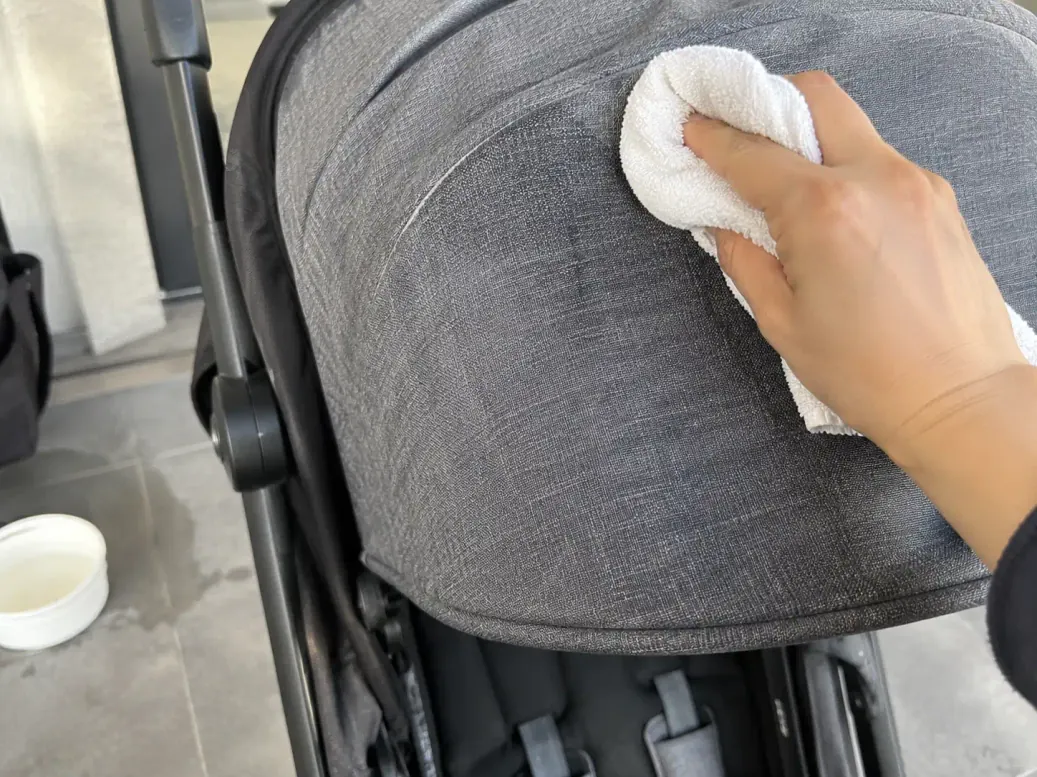
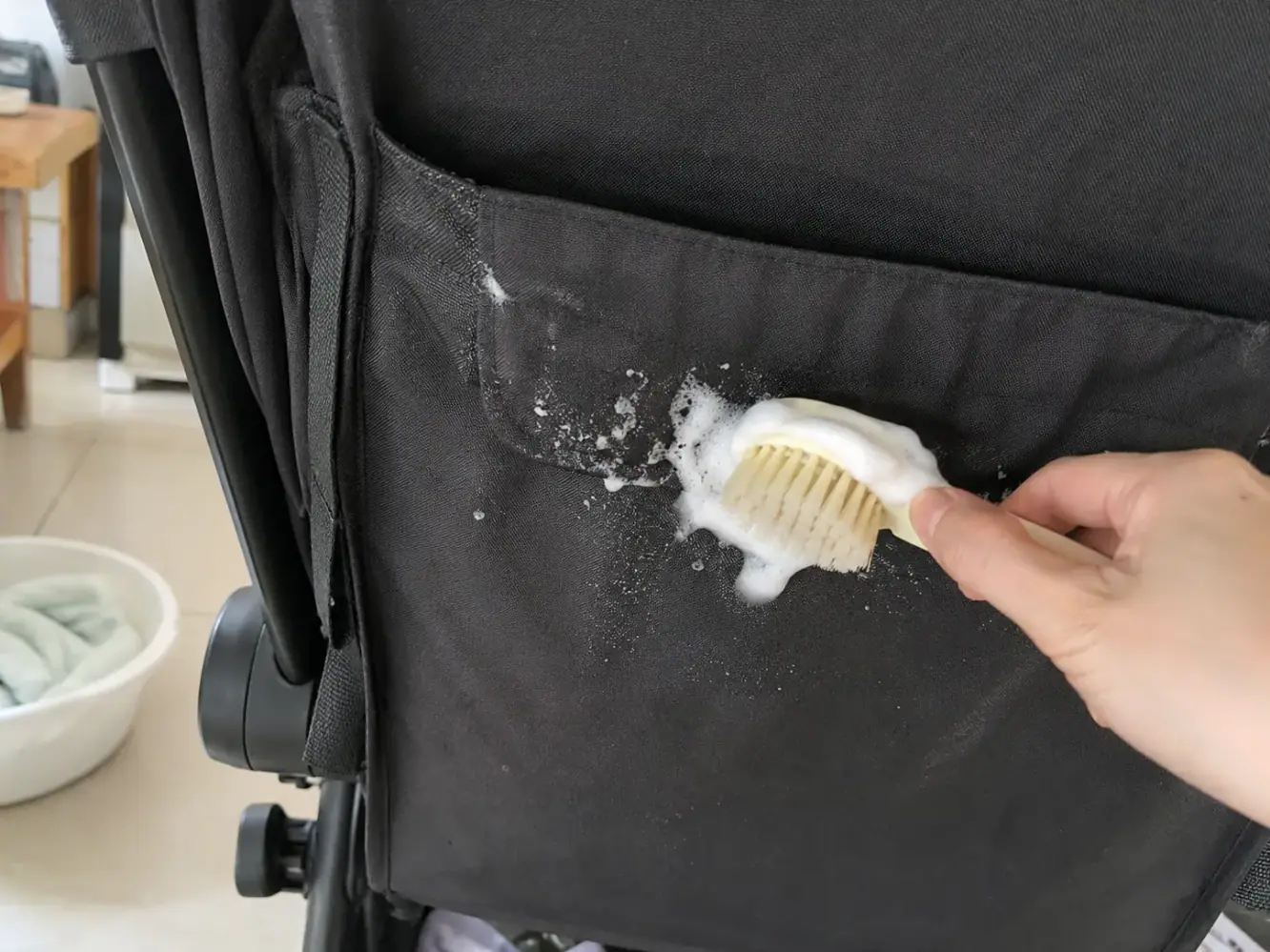
Stroller canopies & seat pockets
Vacuum crumbs, apply foam, brush lightly, blot with a damp cloth and dry in the shade.

Baby & Kids Cleaning
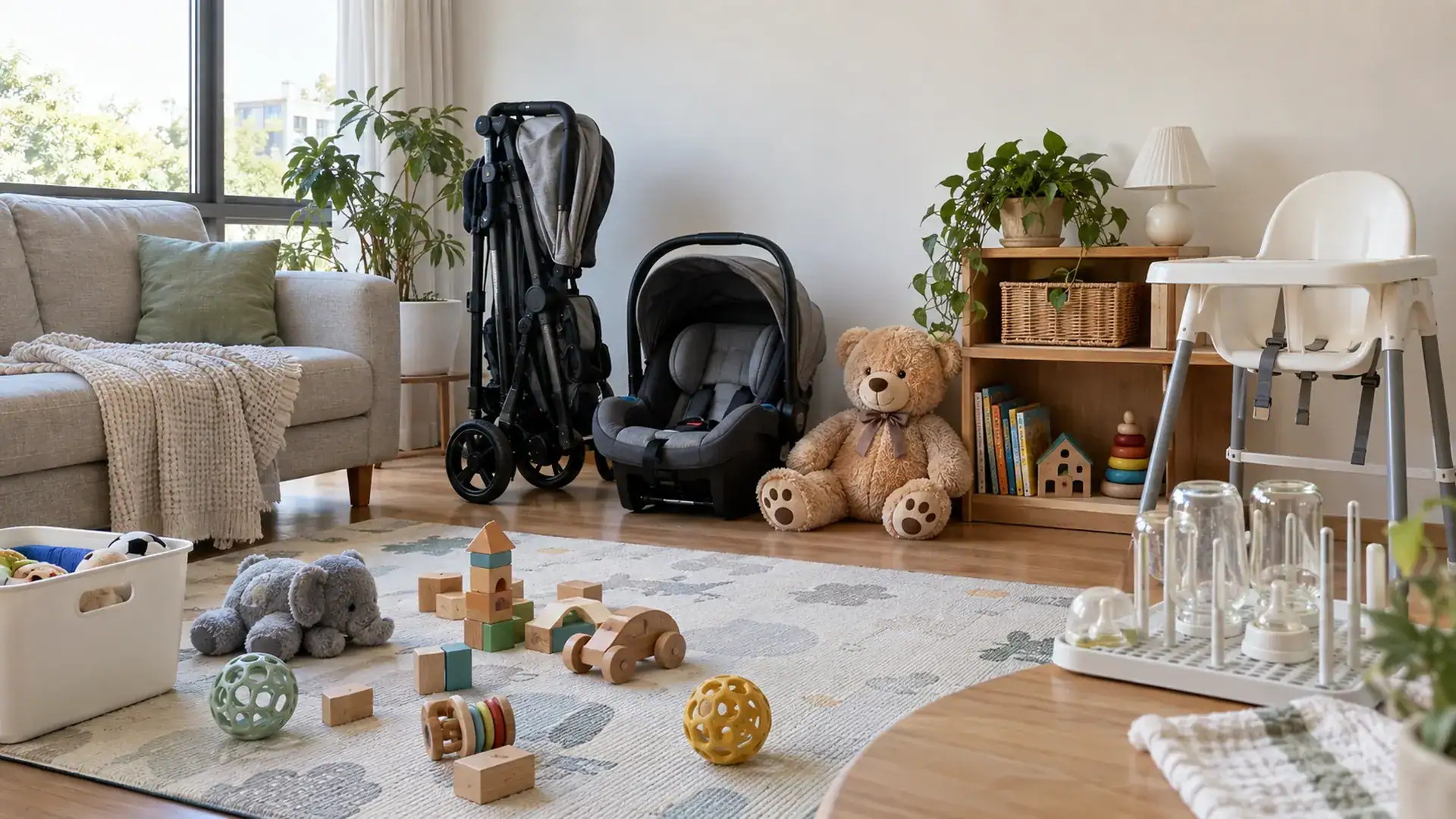
Baby items are made of different materials: strollers and seats are fabric, toys are plastic, silicone or wood, plush cannot be soaked, and bottles need a dish-type wash. Browse by item rather than relying on one bottle.
Explore baby-care cleaners Find products by item and materialOne Baby’s DayDifferent Cleaning Tasks
Baby & Kids Cleaning
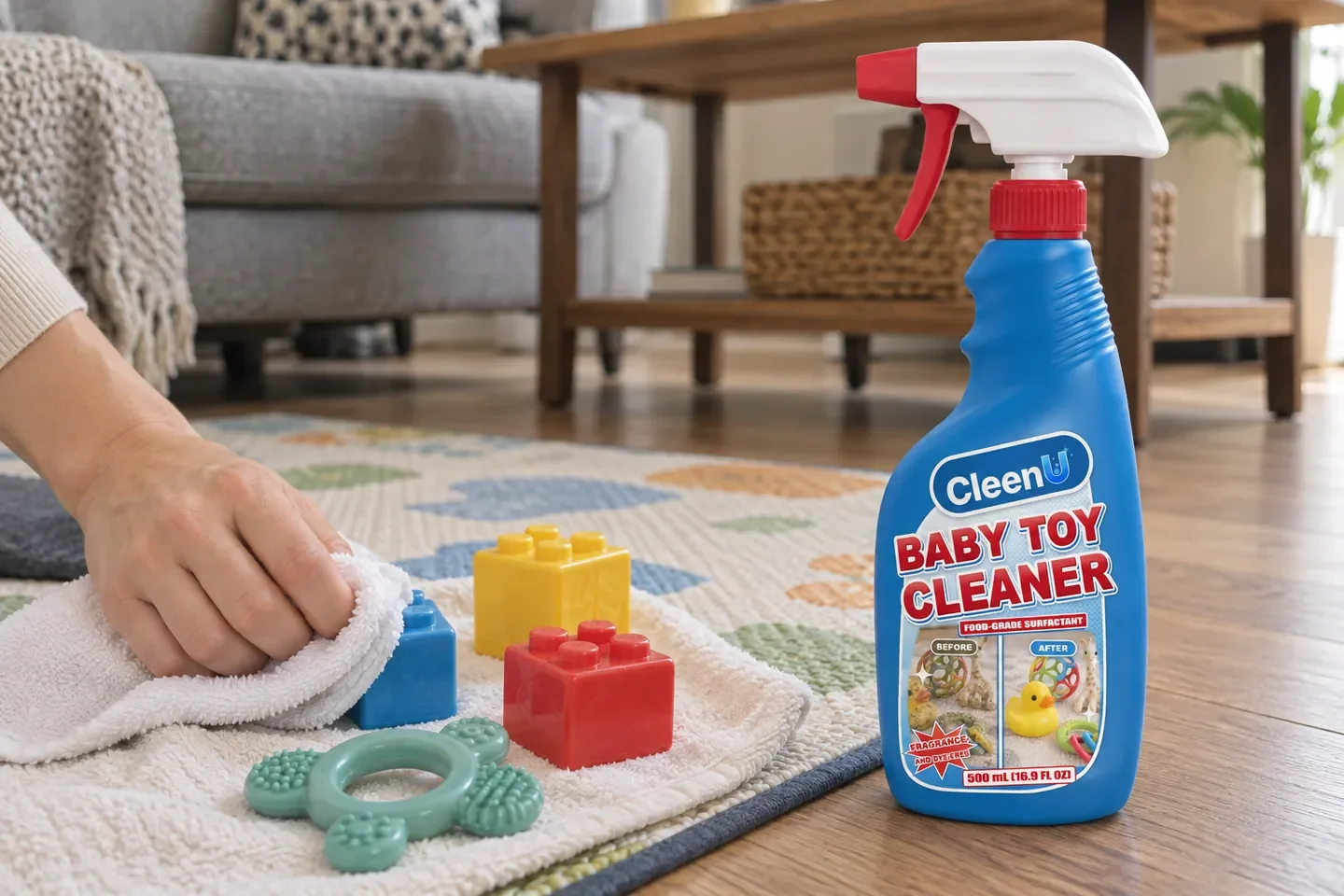
Choose baby-item cleaners by material: a fabric foam cleaner for stroller and seat covers, a toy cleaner spray plus a water rinse for plastic and silicone toys, a low-water foam for plush, and a dish-type bottle wash rinsed under running water. Car seat harness straps take only water and mild soap, per the manual.
CleenU Baby & Kids Cleaning organizes products around five item groups (strollers and car seats, toys, plush toys, bottles and high chairs) for families with babies, baby-care brands, baby-store channels and cross-border sellers.
Full cleaning solutions
Baby gear & kids’ items
Choose strollers, car seats, toys, plush toys, bottles or high chairs to see matching cleaning products.
Stroller canopies & seat pocketsMilk, purée, biscuit grease and sweat marksView products 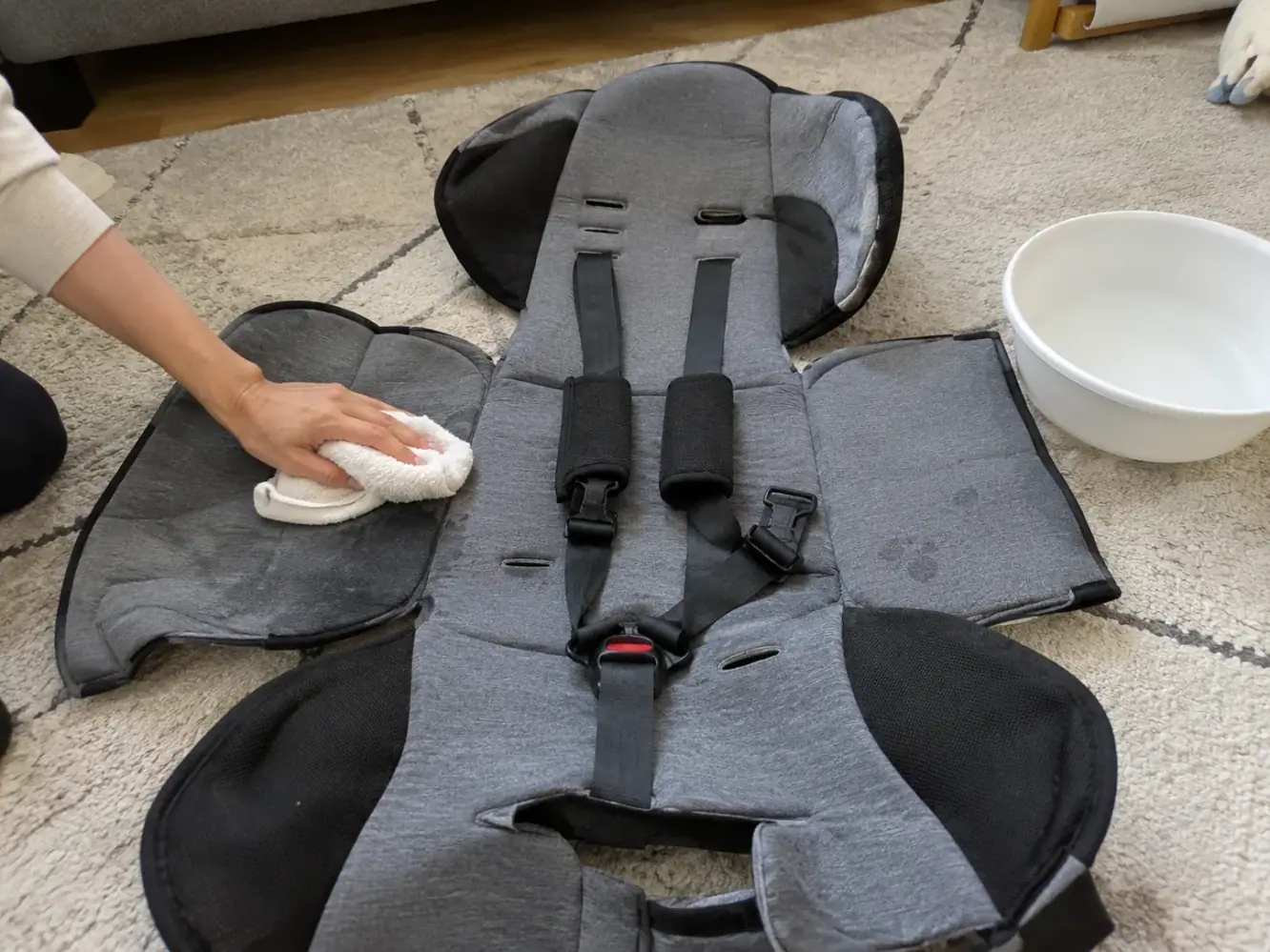 Child car seat coversSweat, milk marks and seat odorView products
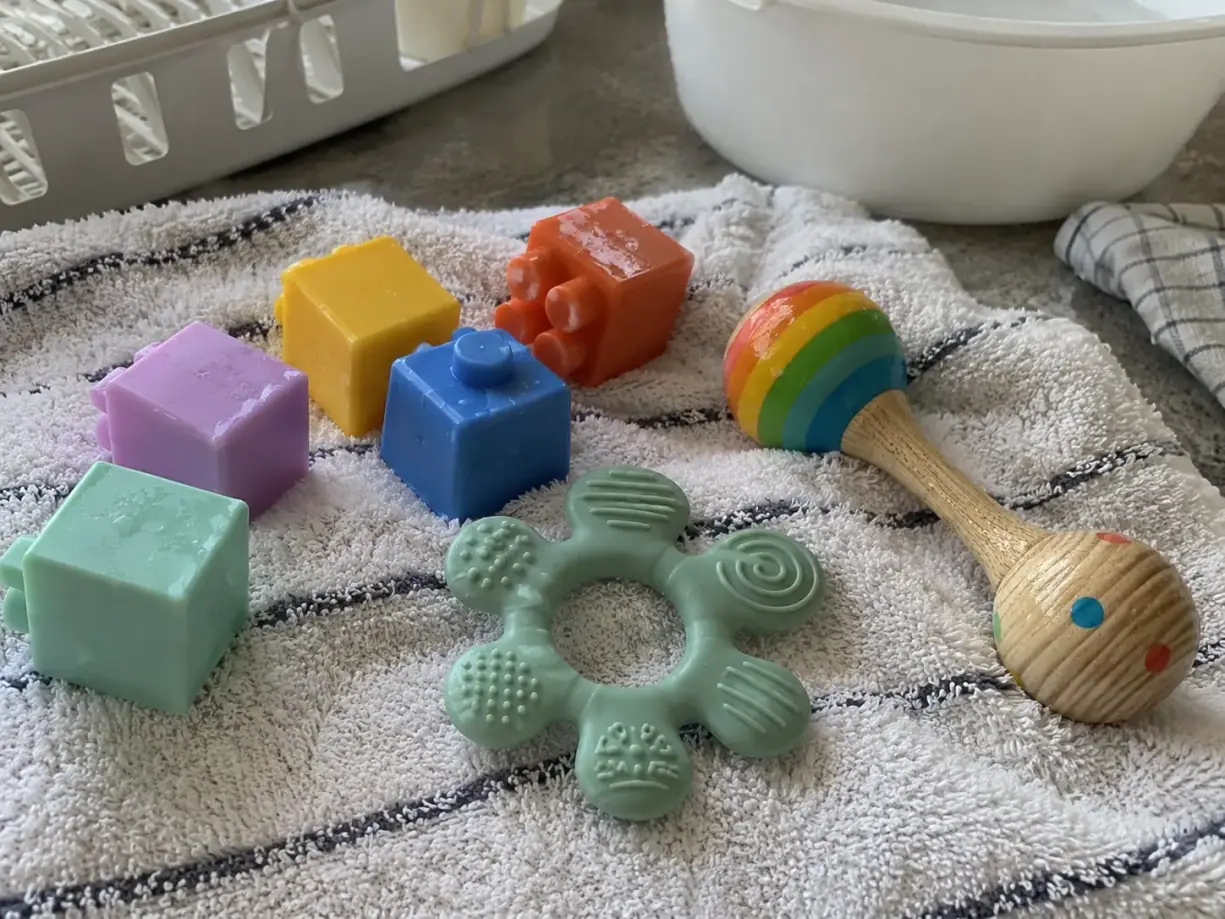 Plastic, silicone & wooden toysDrool, milk, purée and fingerprintsView products
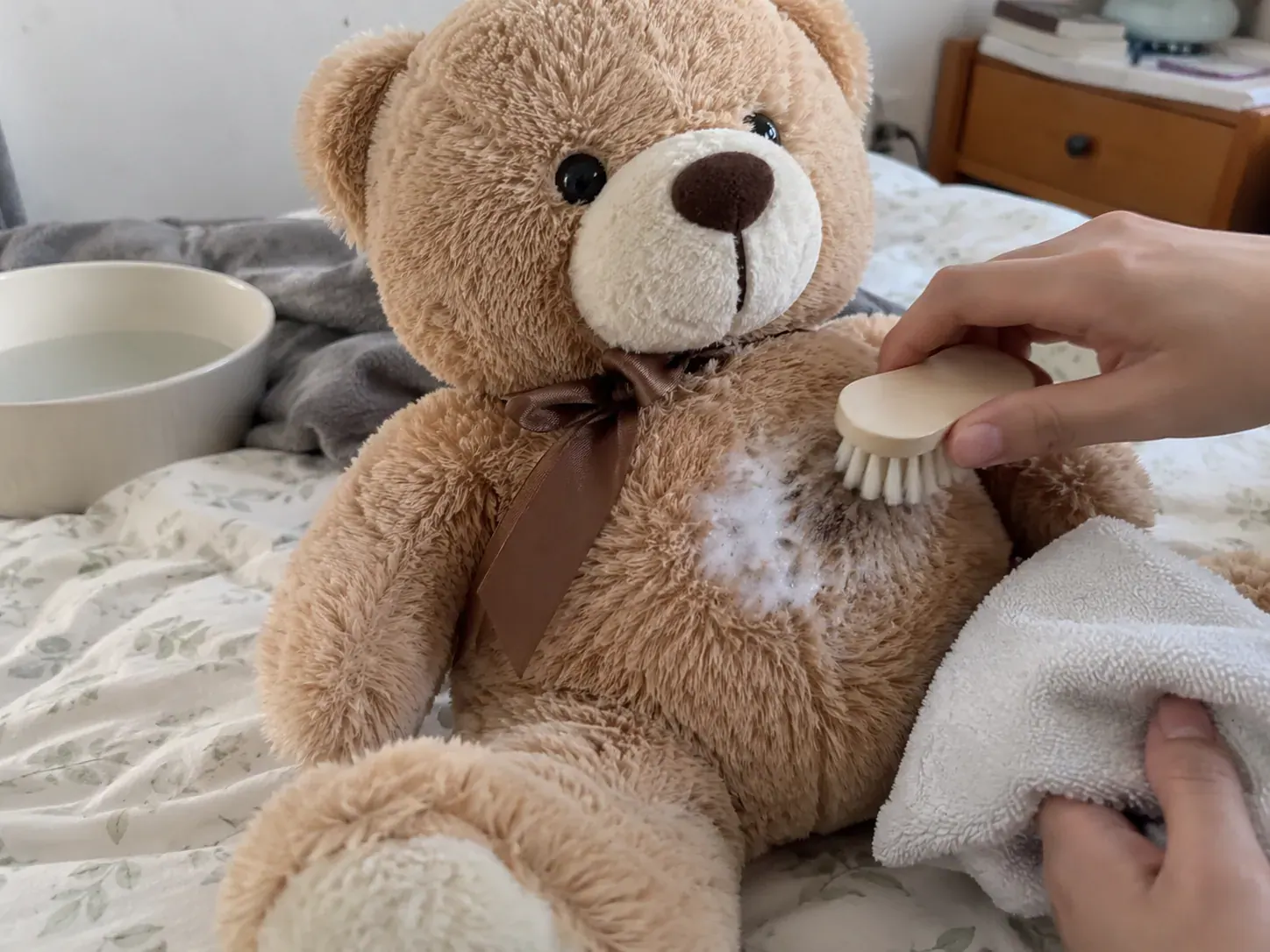 Plush toys & dollsDrool, milk marks, dust and odorView products
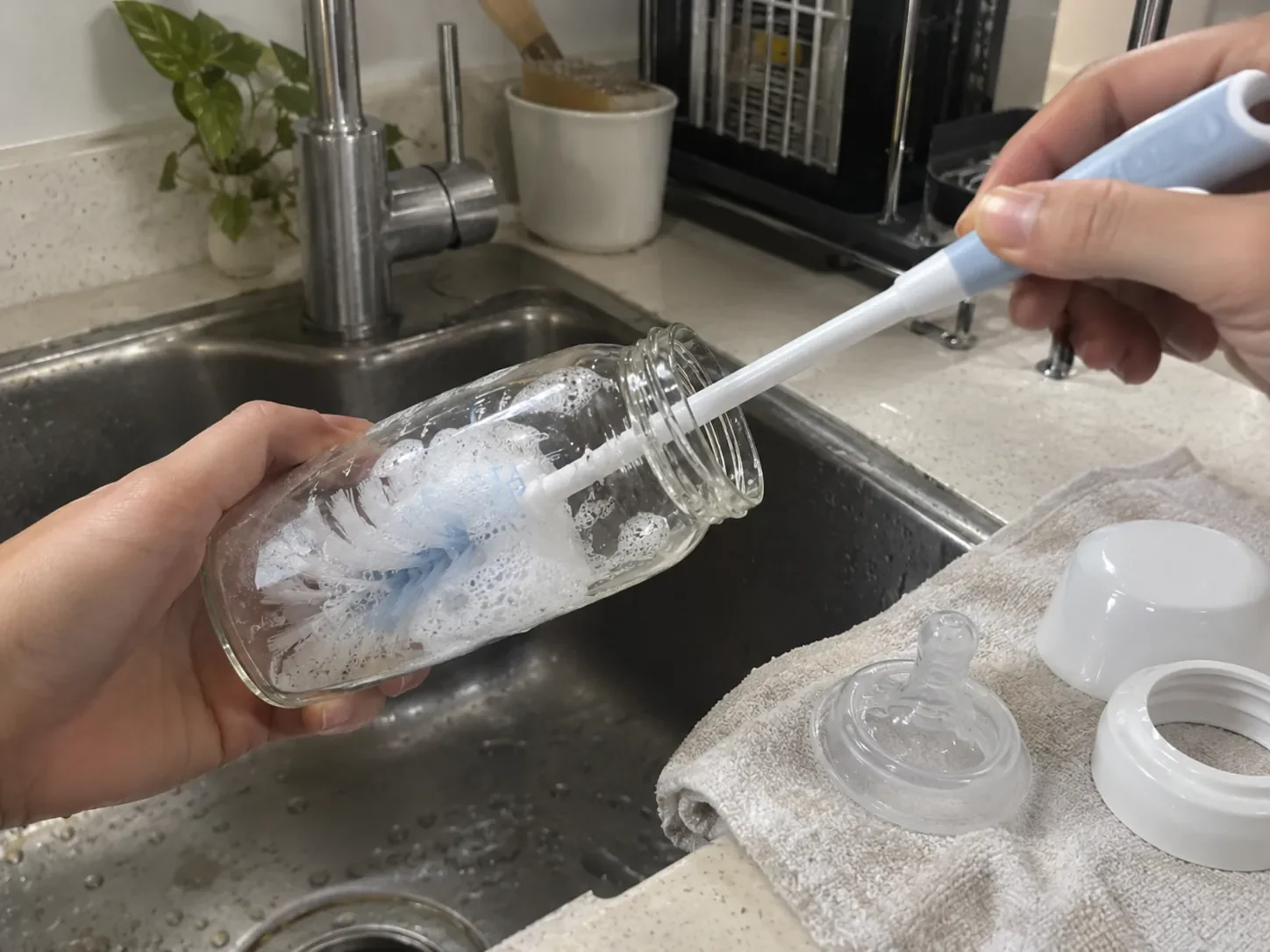 Bottles, nipples & breast-pump partsMilk film, milky smell and food residueView products
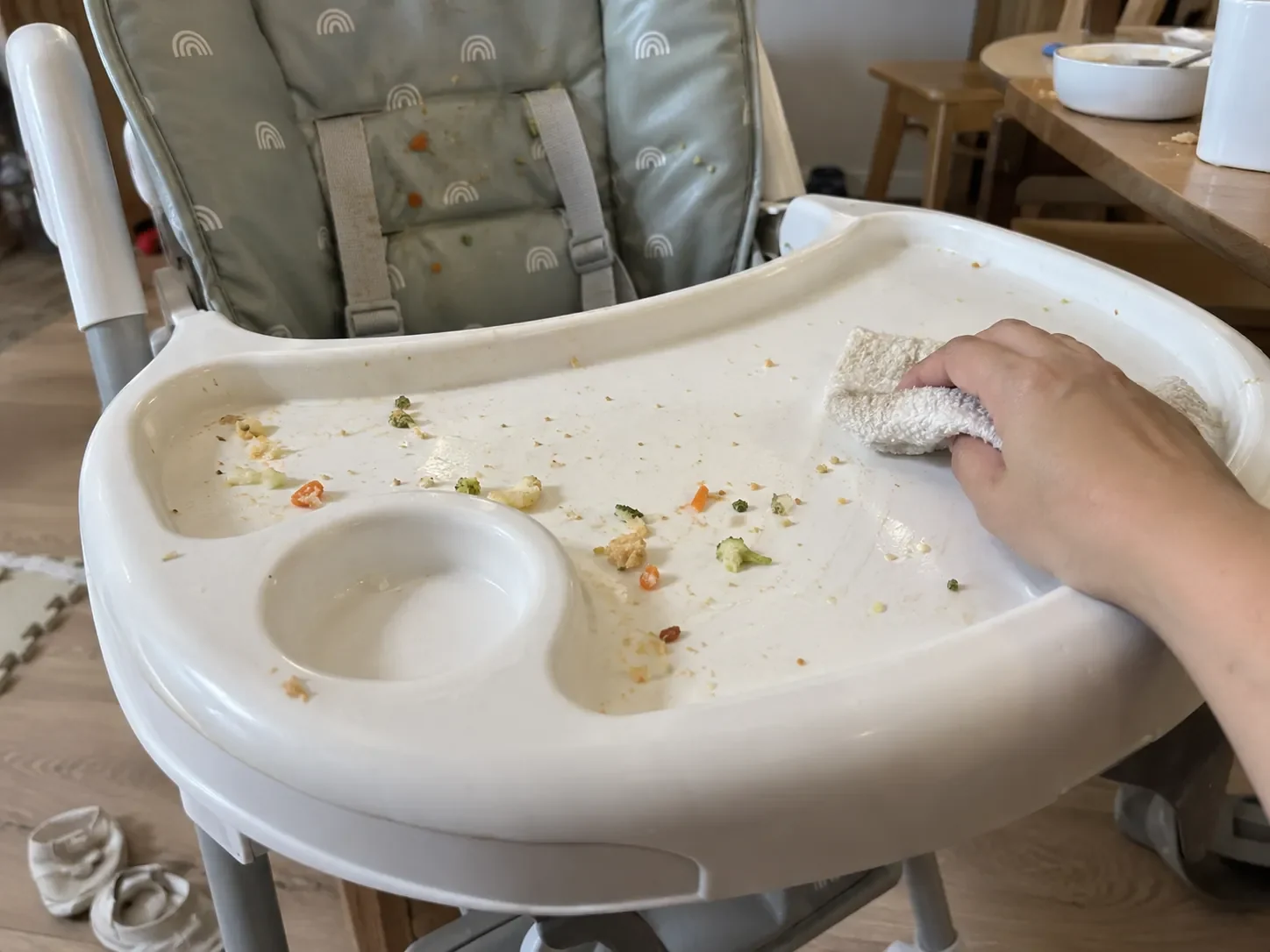 High chairs, trays & walkersFood scraps, purée and handprintsView products
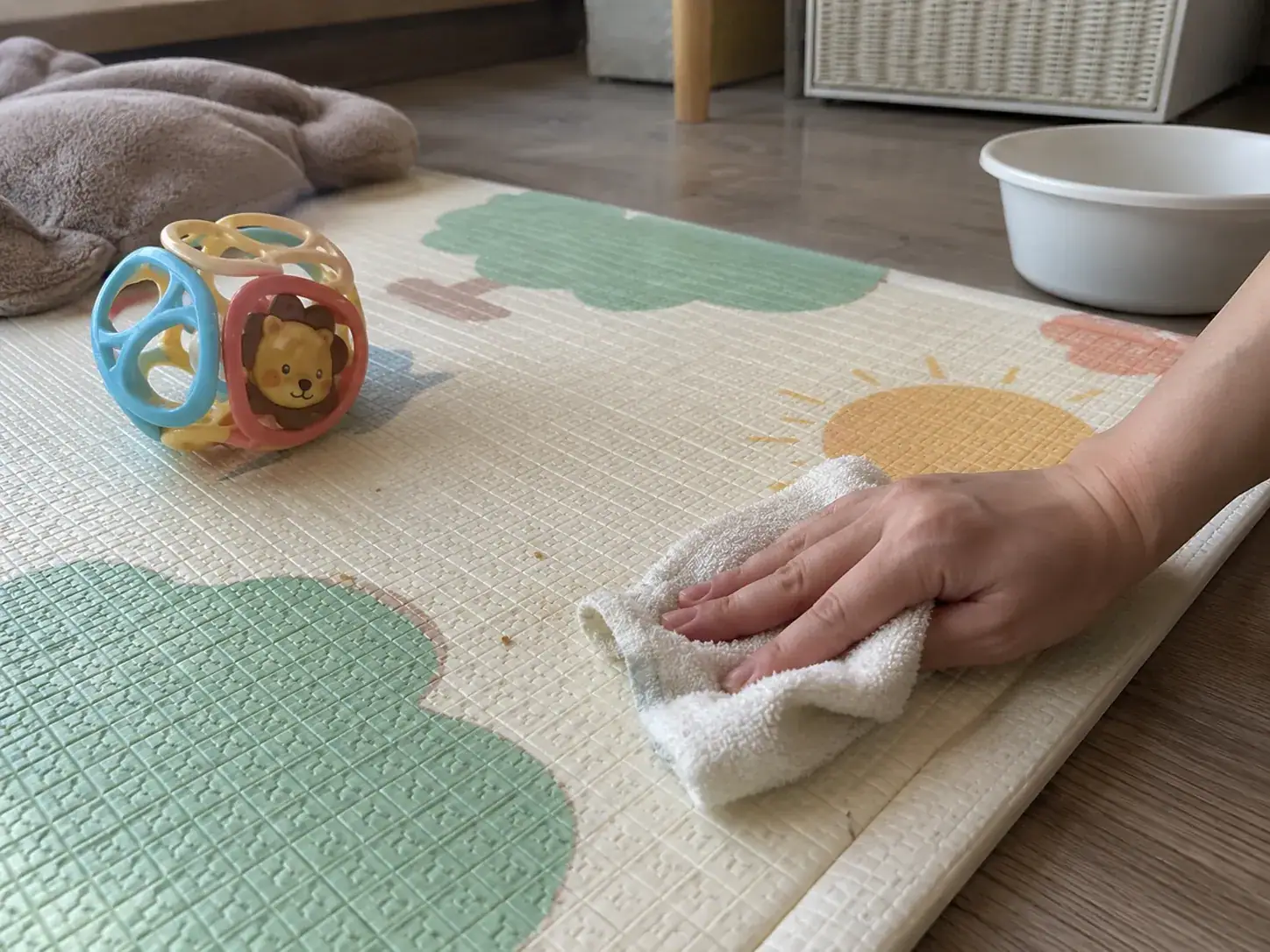 Crawling & play matsDrool, milk and everyday dustView products
Surface materials
Cleaning products
Compare products by soil and surface material. See each product page for use instructions.
Vacuum crumbs, apply foam, brush lightly, blot with a damp cloth and dry in the shade.
Follow the manual for covers; harness straps take only water and mild soap per the manual, never a cleaner.
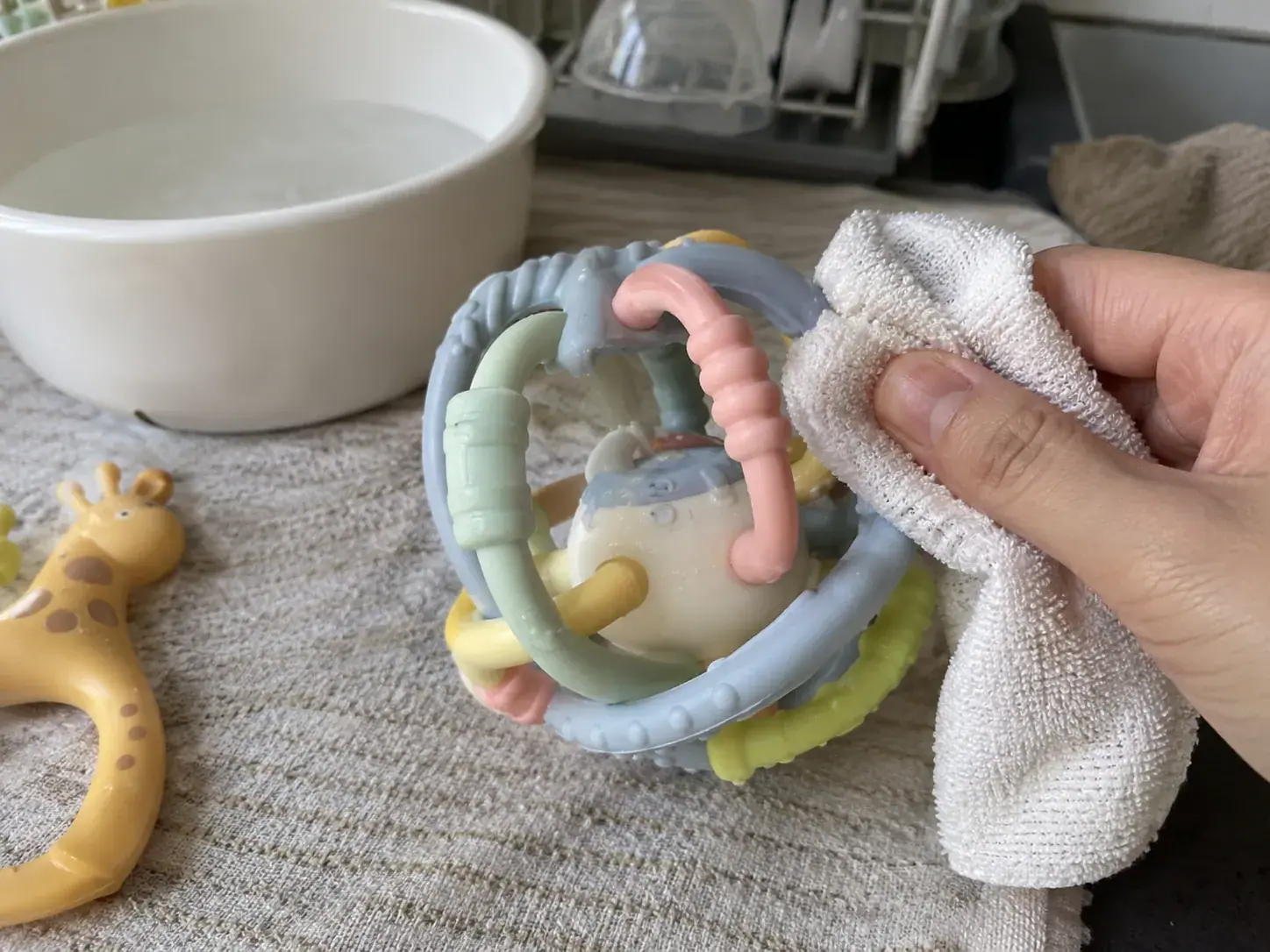
Spray and wipe, rinse with water or a damp cloth, air-dry before play; wipe only the shell of electronic toys.
No full soaking: apply foam, brush along the pile, blot with a damp towel and dry with cool air or in the shade.
Brush, then rinse under running water; washing does not replace a heat-sterilization step.
Use the stroller and seat cleaner on cushions and the toy cleaner on trays and plastic, then wipe with clean water.
Vacuum first, spot-wipe, rinse with water or a damp cloth and dry before crawling time.
How to choose
Situations that require sterilization, disinfection or medical-grade handling;Using one bottle for bottles, toys and fabric;Using a cleaner on car seat harness straps;Giving items to a baby before they are rinsed and fully dry
Start with the item material: fabric, plastic or silicone, plush, or a bottle that goes in the mouth. Then check whether it can get wet or has electronics, and finally follow the manual’s limits. Anything a baby touches or mouths should be rinsed and fully dry after cleaning.
Stroller and seat fabrics need milk and purée lifted with quick drying. Plastic and silicone toys need gentle cleaning followed by a water rinse. Plush needs low water and no full soaking. Bottle wash is a dish-type formula that rinses clean, but it does not replace heat sterilization.
In shortChoose by material: foam for fabric, spray plus a rinse for toys, dry foam for plush, a dish-type wash for bottles. Brands building a baby-care range can start with strollers and seats, toys and bottles, and confirm formulas for the target market after samples.
Product list
4 products for baby & kids. Open each one for its surfaces and directions.
Baby-care product sourcing
Share your target market, item types, packaging and travel-size needs to discuss a range for strollers and car seats, toys, plush and bottles, with samples.
Discuss a baby-care projectQuestions, answered
Vacuum crumbs first, apply foam to the mark, brush lightly and wait 2–3 minutes, then blot with a damp cloth and dry in the shade. Do not soak the whole piece, and test a hidden spot first.
No. Follow the seat manual, which allows only water and mild soap on harness straps. The fabric cover and plastic parts can take a fabric cleaner, always subject to the manual.
Yes. After spraying and wiping, rinse with water or wipe with a damp cloth and air-dry before play, especially for teethers and silicone toys that go in the mouth.
Do not soak them and do not spray into the battery compartment or seams. Spray the cleaner on a cloth, wipe only the shell, then wipe again with a damp cloth.
No. For plush with electronics or that is not machine-washable, a low-water foam can be brushed in along the pile, blotted off with a damp towel and dried with cool air or in the shade; make sure it is completely dry before play.
A bottle wash is a dish-type formula designed to rinse clean under running water and leave no scent or dye. With either, rinse thoroughly and sterilize separately if you do; washing does not replace sterilization.
Use a soft bottle brush or your fingers and avoid scrubbing silicone hard, which can scratch it. Rinse, air-dry and replace nipples that are torn or misshapen.
No. Do not use or mix chlorine products with bottle wash or stroller and seat cleaners; rinse first, then treat separately if needed.
A common start is a bottle wash and a toy cleaner, then stroller and seat foam and plush foam. Standard projects start at 500 bottles, with free samples first and formula direction confirmed for the target market.
The stroller and seat and toy products are fragrance-free and dye-free by direction, and travel wipes, sizes, labels and travel bundles can be discussed per project, confirmed at the sample stage.
After inquiry, CleenU supplies SDS/MSDS, TDS and batch COA per project. Warning labels and regulations must be confirmed separately for each market; this page does not mean any formula is certified.