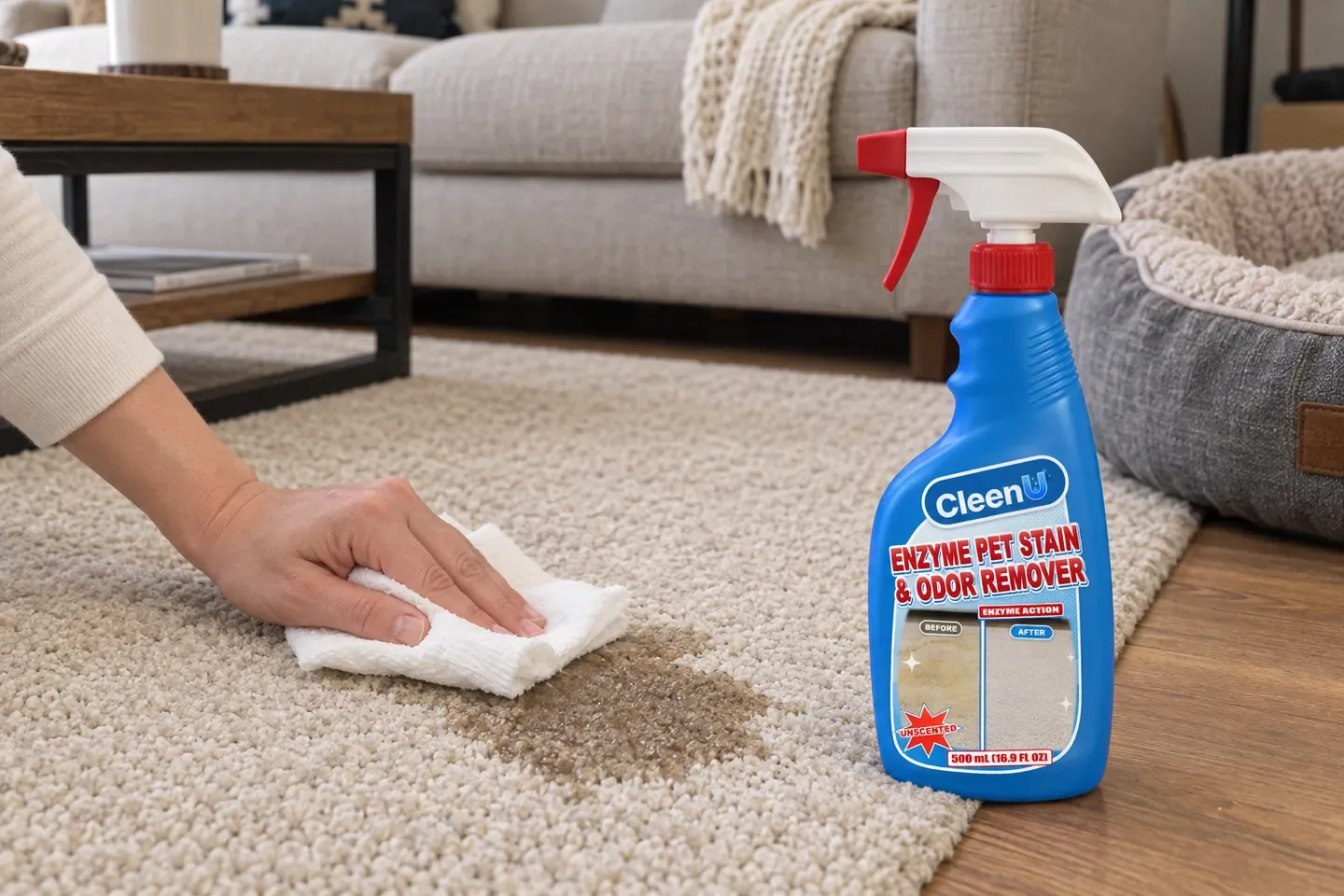
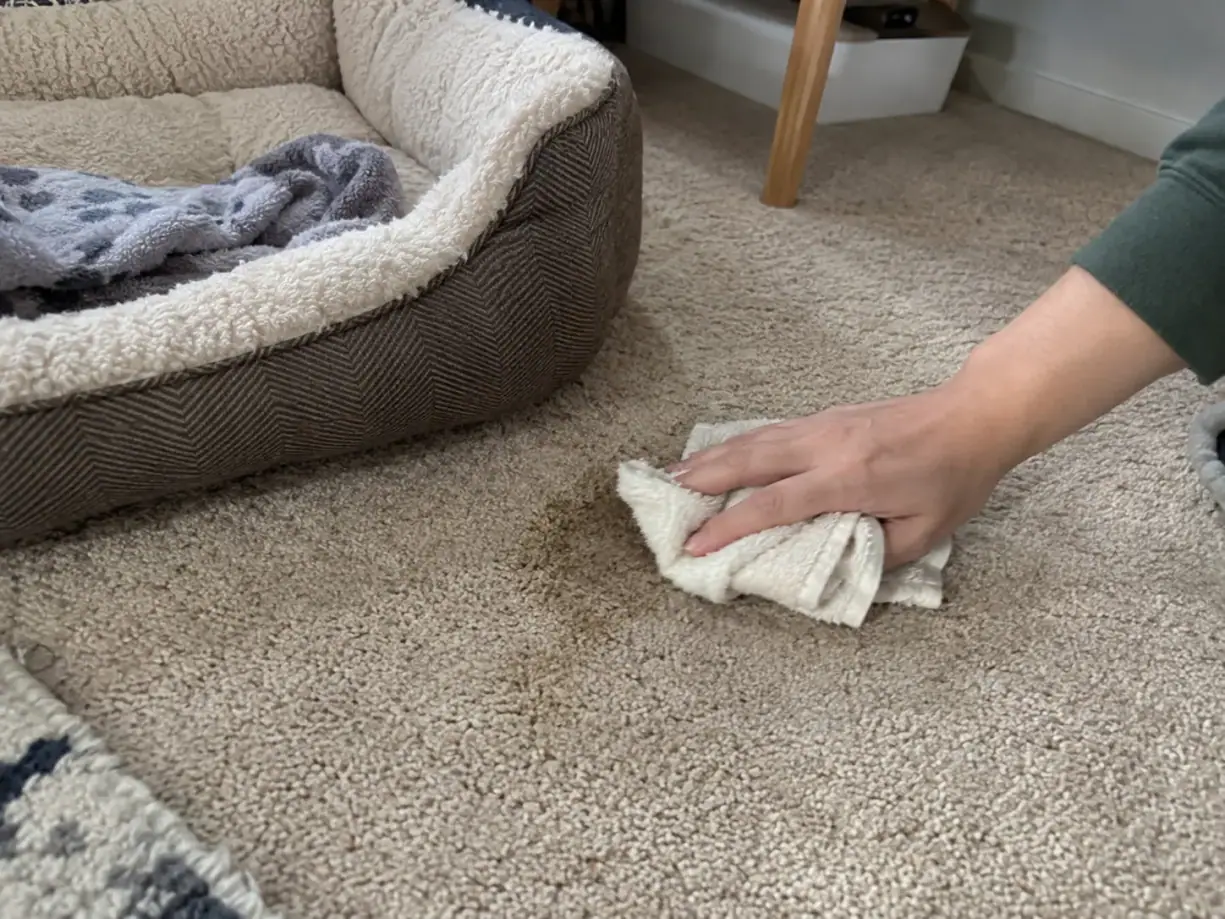
Urine on carpets, sofas & pet beds
Blot first, then soak to the depth of the urine with an enzyme stain remover; treat lingering air odor with a separate odor product.

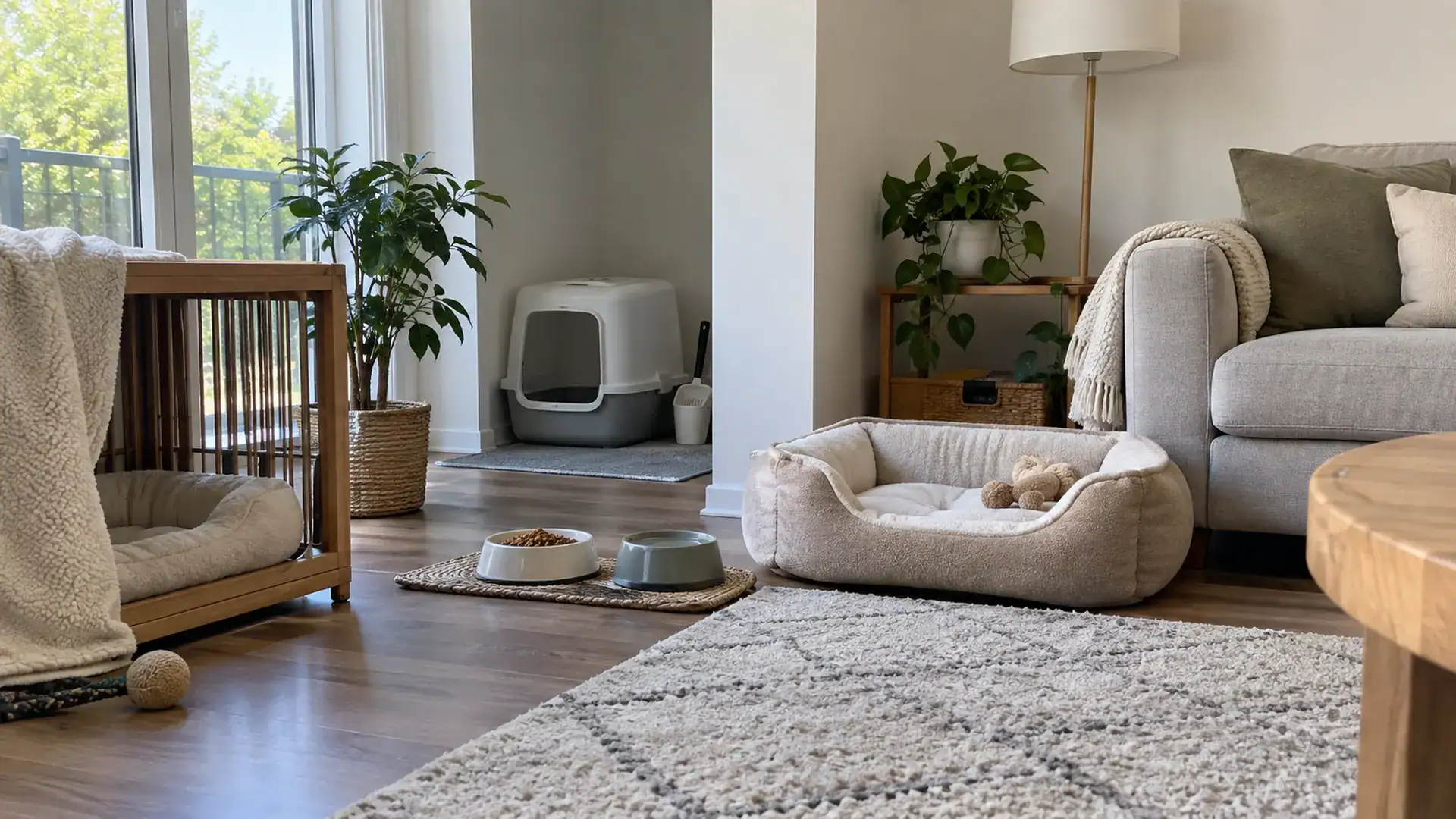
Pet Home Cleaning
Pet-home cleaning is spread across carpets, litter boxes, turf, bowls, crates and the pet itself. Browse by area and soil, and treat odor control, cleaning and wipe-downs as separate jobs.
Explore pet-care cleaners Find products by area and soilOne Pet HomeDifferent Cleaning Tasks
Pet Home Cleaning
Choose pet-home cleaners by area and soil: enzyme odor products for urine on carpet and beds, litter boxes and turf; a dish-type cleaner for bowls; a crate cleaner for kennels; and pet wipes for paws and coat. The products have different jobs, so do not mix them or combine them with chlorine disinfectants.
CleenU Pet Home Cleaning organizes products around six tasks (urine stains, litter boxes, artificial turf, bowls, crates and everyday wipe-downs) and links to the floor and carpet solutions, for pet owners, pet-product brands, pet-store channels and cross-border sellers.
Full cleaning solutions
Pet areas & supplies
Choose carpets and beds, litter boxes, artificial turf, bowls, crates or the pet itself to see matching cleaning and odor products.
Urine on carpets, sofas & pet bedsCat and dog urine, vomit and drool that still smell after wipingView products 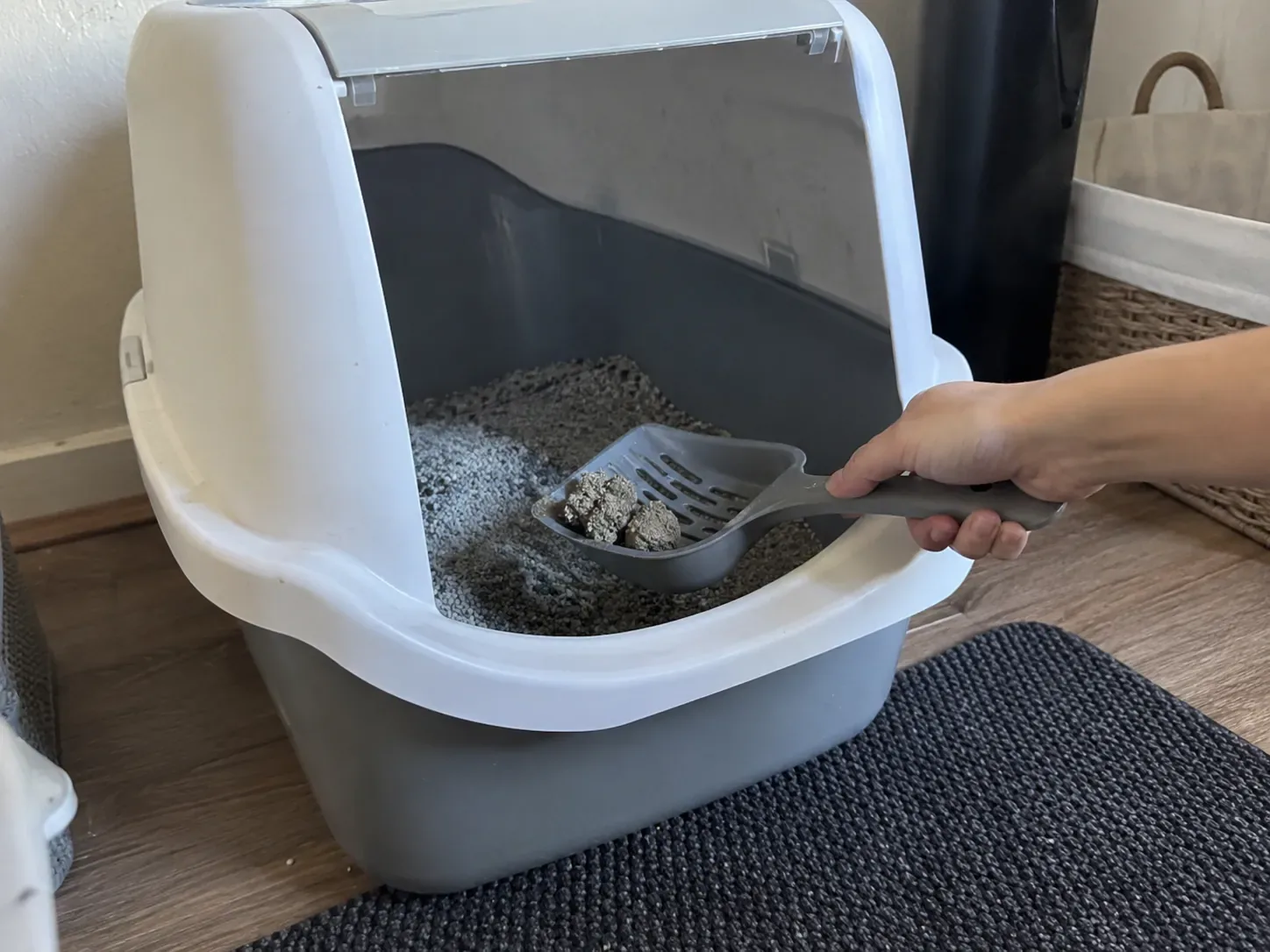 Litter boxes & the area around themUrine residue and ammonia smell on the tray, litter surface and floor nearbyView products
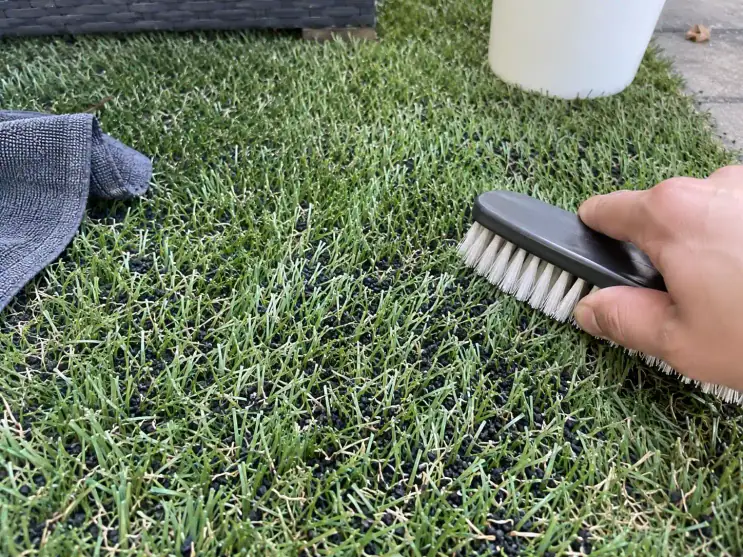
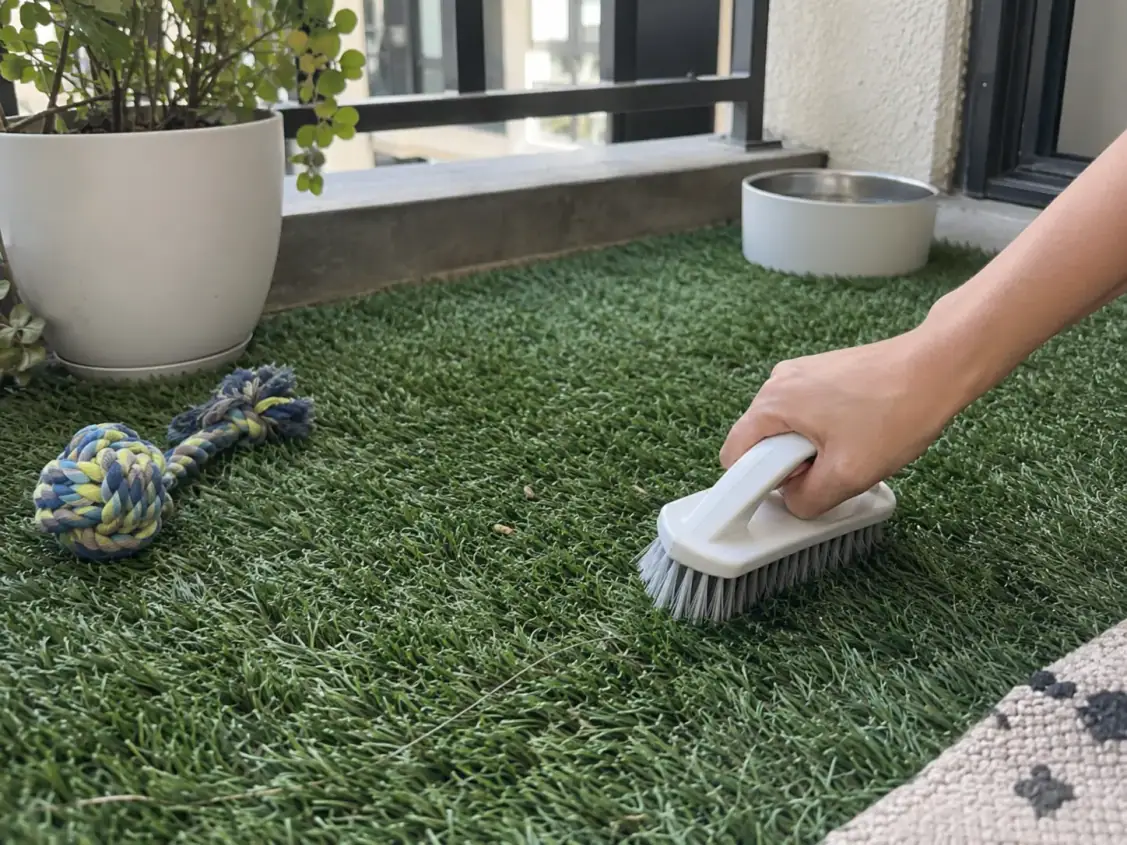 Artificial turf & balcony grassUrine and waste residue that has soaked into the pile and infillView products
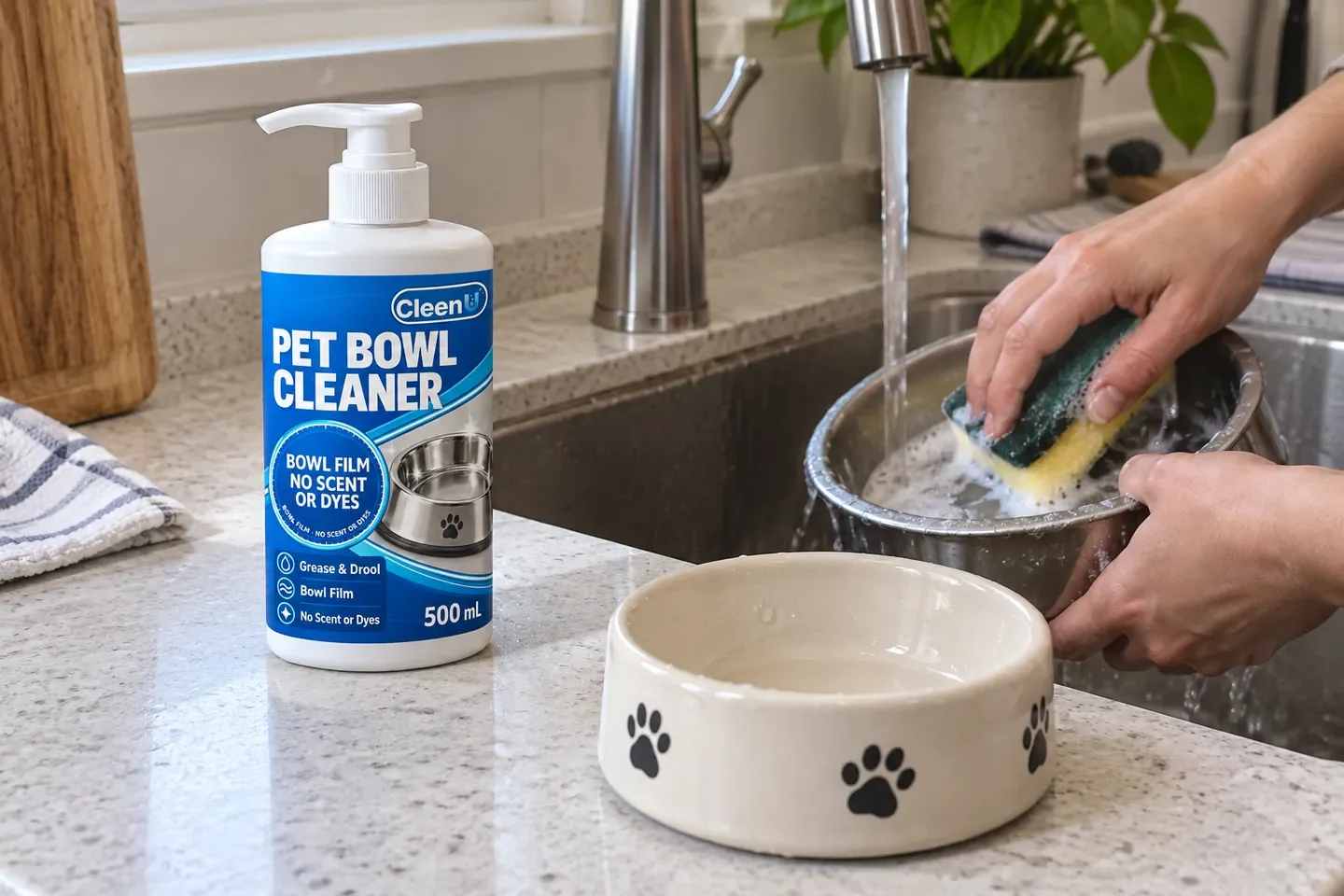
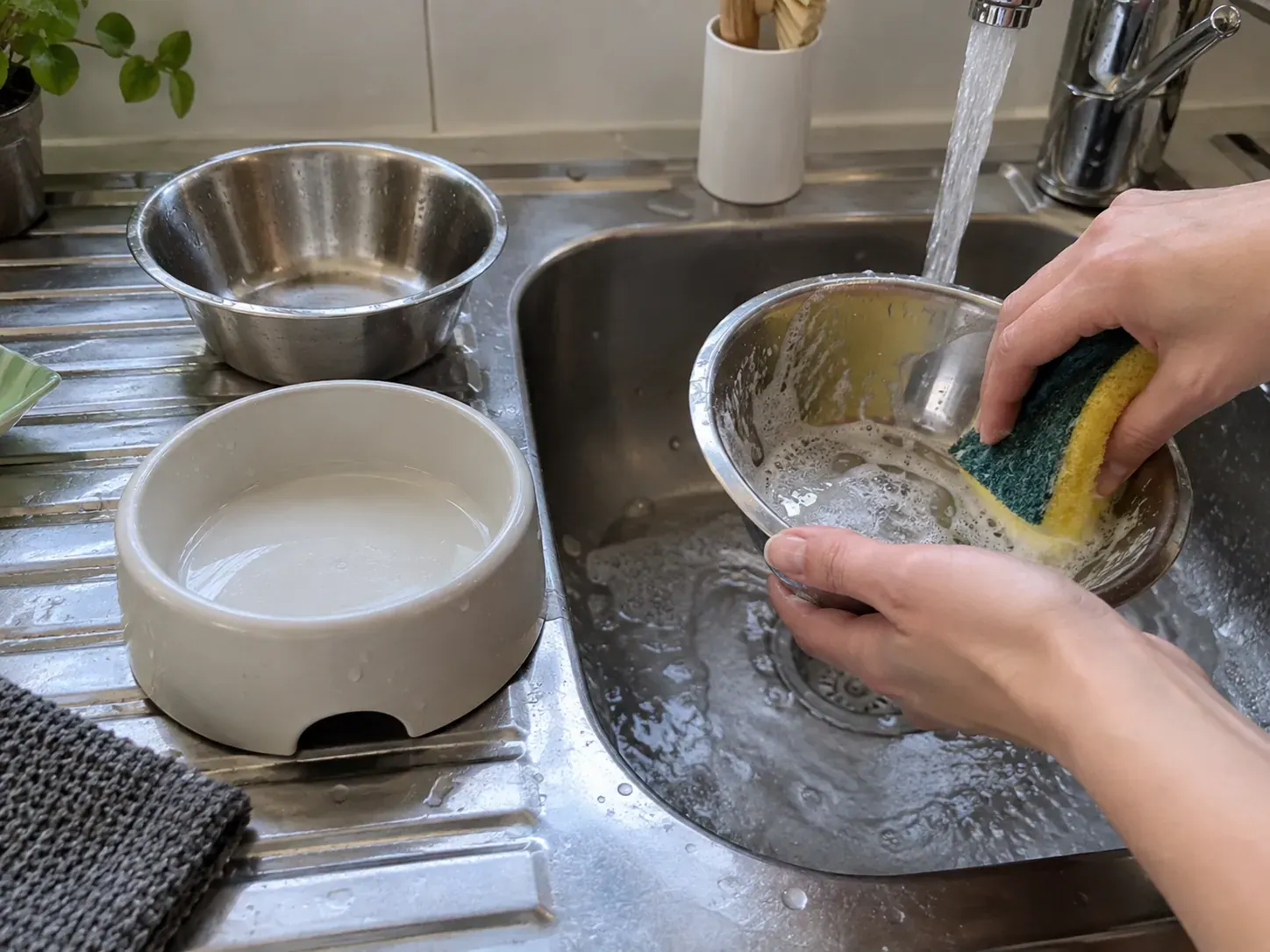 Food bowls & water fountainsSlimy film, grease and saliva residue on bowl wallsView products
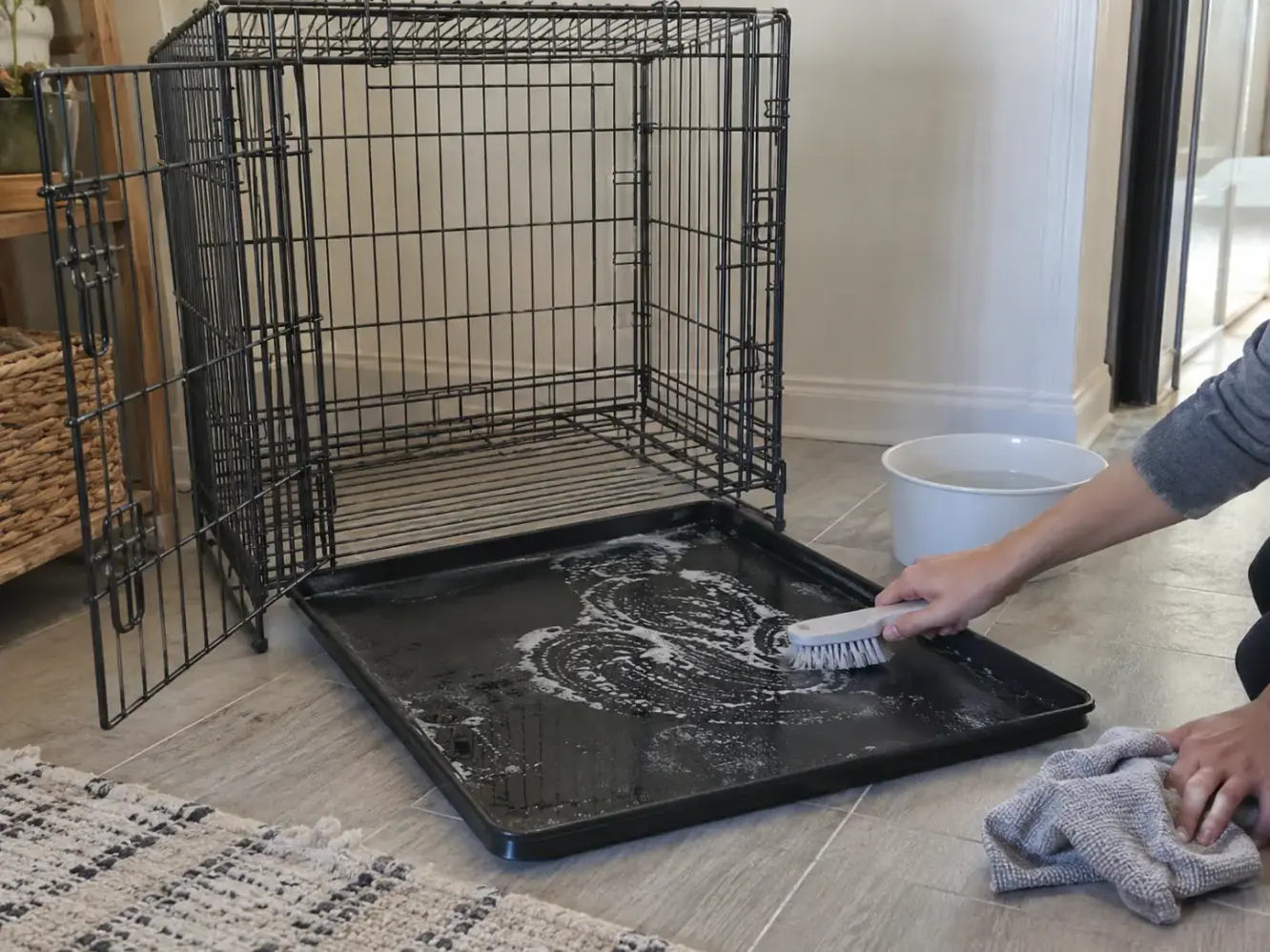 Crates, carriers & cat treesUrine, waste residue and food scraps on crate floors and barsView products
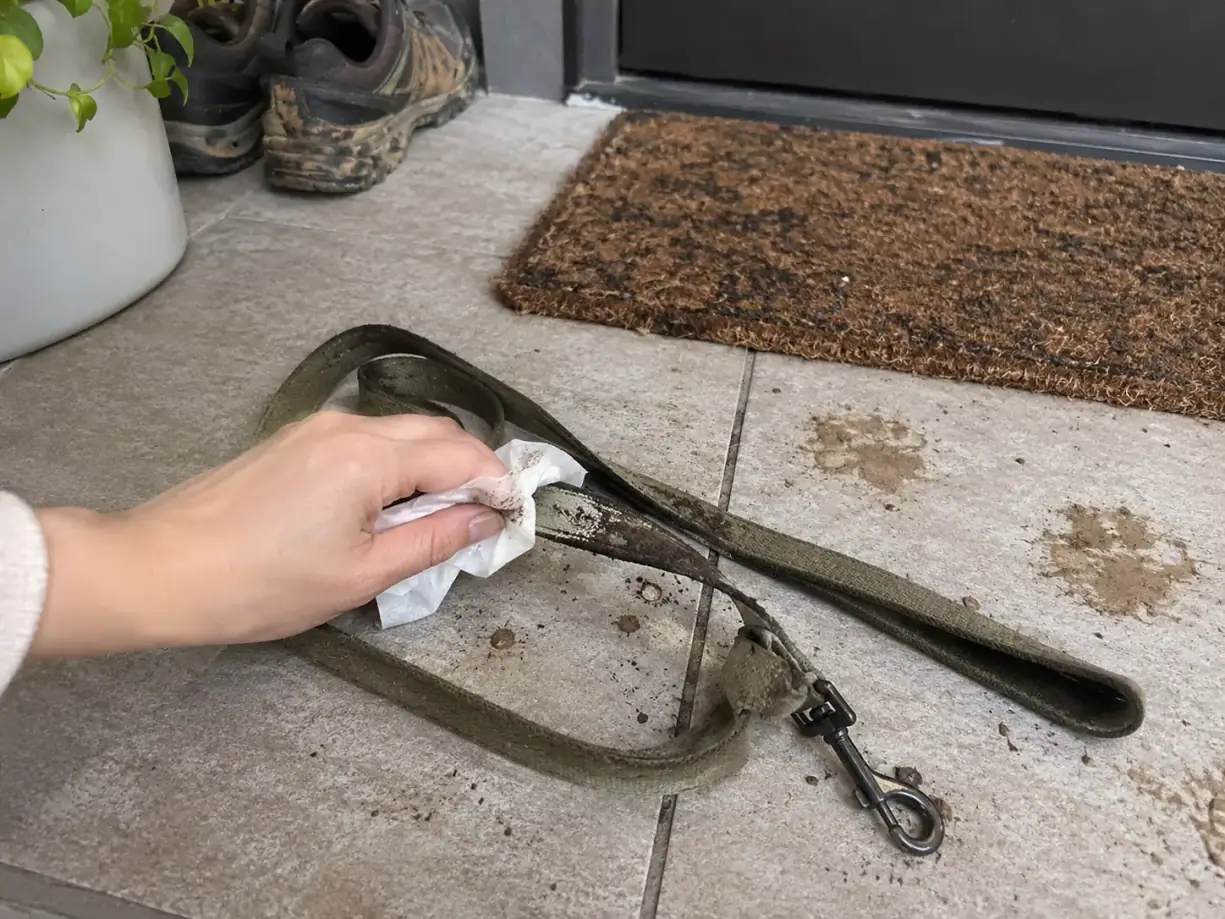 Paws, coat & everyday wipe-downsMuddy paws, drool around the mouth and coat odor after outingsView products
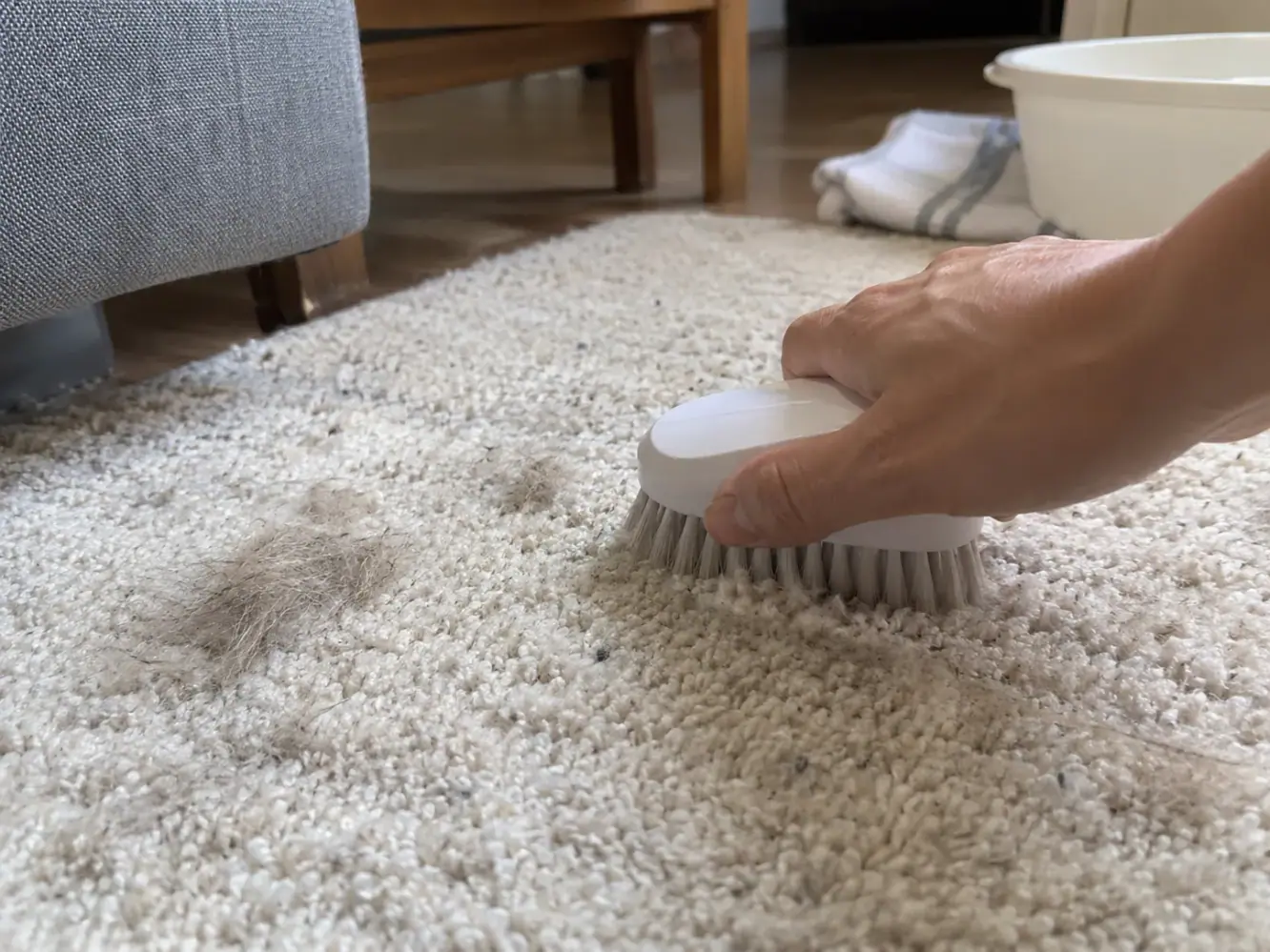
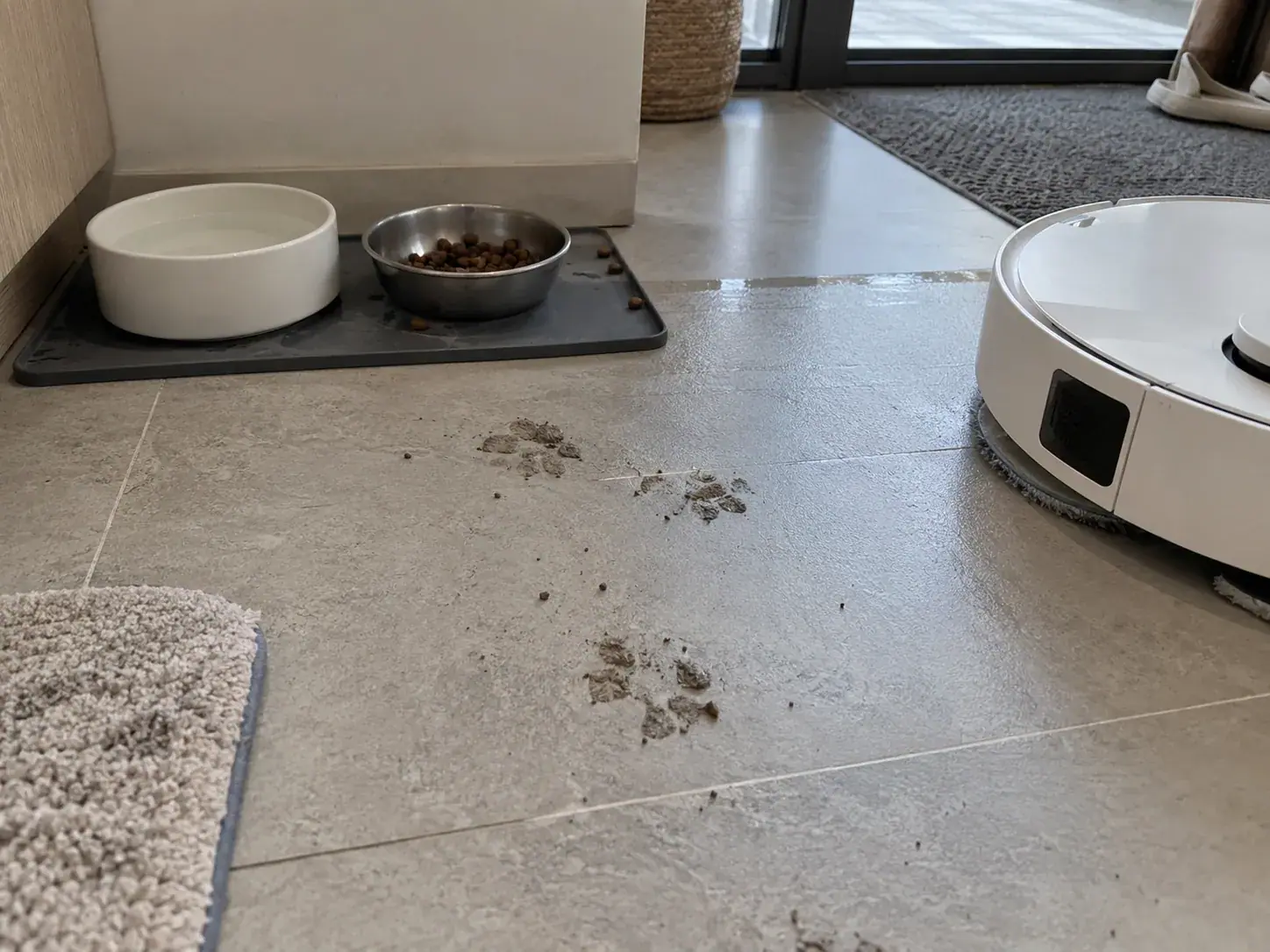 Floors & rugs in pet homesPaw prints, hair and marks around bowlsView products
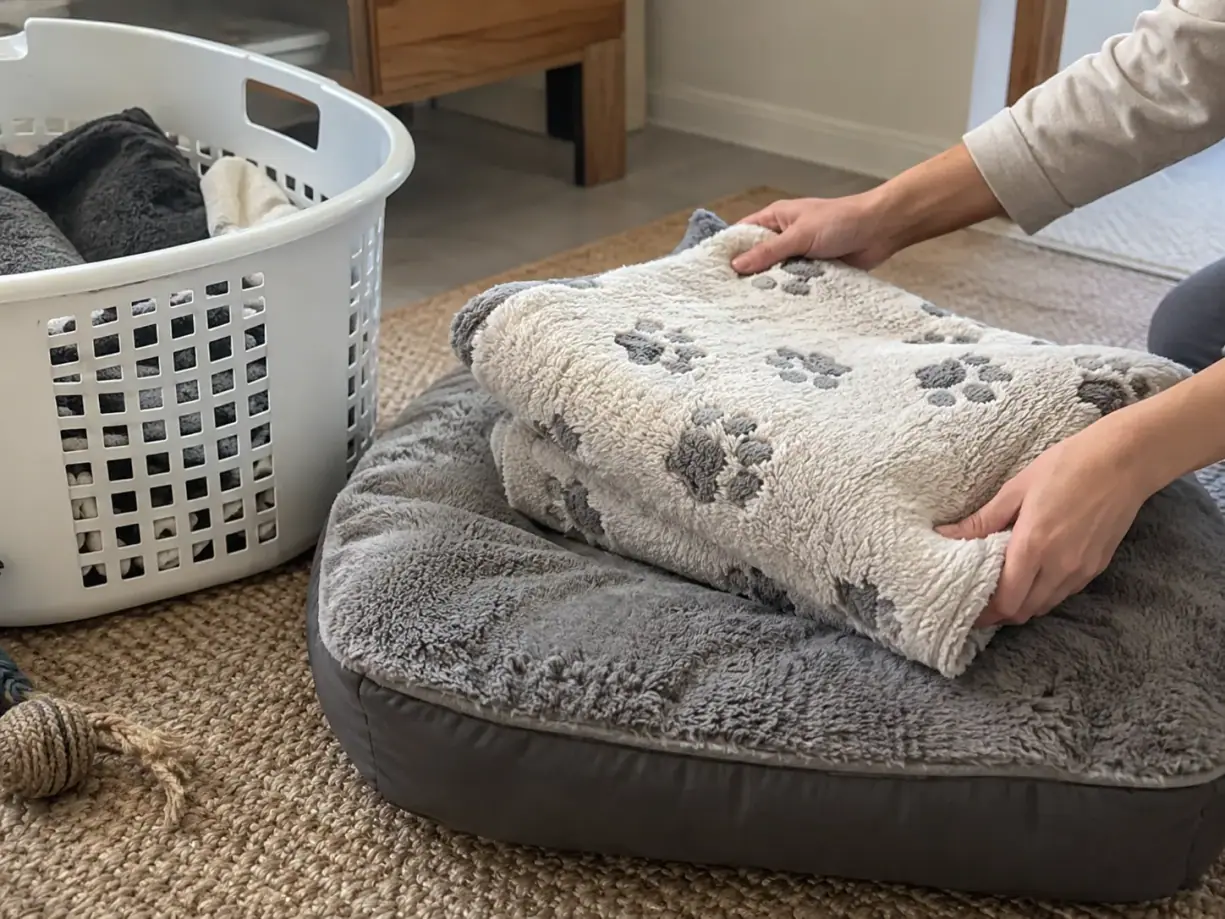 Pet beds, cushions & blanketsUrine, drool and odor retained in fabric and hairView products
Surface materials
Cleaning products
Compare products by soil and surface material. See each product page for use instructions.
Blot first, then soak to the depth of the urine with an enzyme stain remover; treat lingering air odor with a separate odor product.
Mist the litter surface after scooping and soak the empty tray at each change; never spray directly at the cat.
Remove waste first, then spray evenly at 1:20 or with a hose-end sprayer, and keep pets and children off until dry.
Wash bowls with a dish-type cleaner and rinse well; never soak a fountain motor or filter.
Remove the pet and bedding, spray, let it sit, scrub and rinse, and return the pet only when fully dry.
Wipe along the coat, clean between each toe, and avoid eyes, ear canals and wounds.
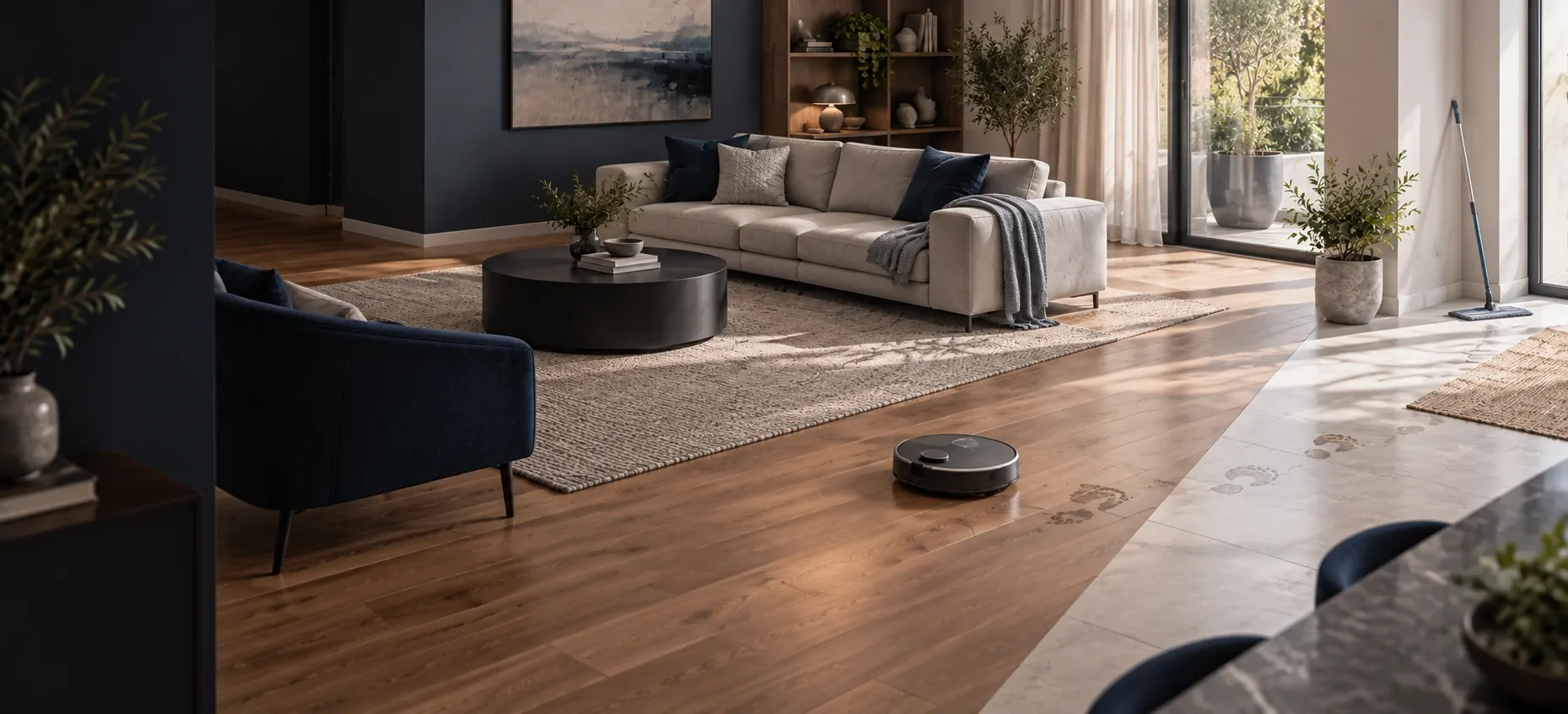
Use the pet-home robot-mop solution for everyday floors and a carpet cleaner for rug spots; see the floor solution page.
Check the care label first; spot-treat where allowed and wash the whole item according to its label.
How to choose
Situations that need a veterinarian or skin-condition treatment;Expecting one bottle to clean bowls, urine marks and the pet itself;Treating a cleaner as a disinfection or medical treatment;Soaking whole items or spraying heavily without checking the material
First separate urine, litter-box odor, turf, bowls, crates and the pet itself. Then check the surface material and whether it can get wet, and finally read the product limits. For anything a pet touches, rinse or air-dry before the pet returns.
Urine products use enzymes to break down organic residue from urine and waste and suit fabric and floors. Bowl cleaners use dish-type surfactants to lift grease and saliva film and must be rinsed. Crate products can be wiped or rinsed after spraying. Pet wipes are for the pet only and do not replace bathing or veterinary care.
In shortA pet home does not need one bottle for everything. Choose by task: enzymes for urine, a dish-type cleaner for bowls, a crate cleaner for kennels, wipes for the pet. Brands building a pet-care line can combine these paths and test samples first.
Product list
12 products for pet homes. Open each one for its surfaces and directions.
Pet-care product sourcing
Share your target market, use scenes, packaging and scent needs to discuss a range covering urine, litter box, bowls, crates and wipes, with samples.
Discuss a pet-care projectQuestions, answered
Blot with paper towel without rubbing, then soak the area with an enzyme stain remover to the depth the urine reached, wait about 10–15 minutes, blot and air-dry. A dry surface does not mean the fibers underneath are clear.
No. A spray supports scooping and regular litter changes but cannot replace them. Mist the litter surface after scooping, and at each change soak the empty tray, rinse, dry and add fresh litter.
Use an enzyme turf cleaner. Remove waste and debris first, then spray according to the directions, concentrating on the spots pets use most, and let it air-dry. It does not replace picking up waste promptly.
Judge by the bowl material and your routine; a dish-type pet bowl cleaner is designed to leave no lingering scent after rinsing. Either way, rinse under running water, dry, and keep the sponge separate from human dishes.
There is no fixed interval; it depends on the animal, activity and smell. Clean when you see waste residue, urine marks or a strong odor, and remove the pet and bedding first, returning them only when dry.
Pet wipes are for paws after outings, quick coat clean-ups and around the mouth; they do not replace bathing. Frequency depends on your pet’s skin, and a pet with a skin condition should see a veterinarian first.
No. Urine and waste contain ammonia-type compounds, and mixing with chlorine products can release irritating gases and undermine enzymes. If you disinfect, rinse and dry first, then follow that product’s directions separately.
Wool, silk, real leather, suede and unsealed raw wood are outside the stain remover’s intended range. Spot-test dark fabrics in a hidden area before treating a larger section.
Pick two or three tasks from urine, litter box, bowls, crates and wipes. Tell us your market, packaging and scent plans, and CleenU supplies samples by project, with 500 bottles as the usual MOQ.
Scent, mist or foam trigger heads, bottle size, refills, labels and bundles can be discussed per project; the exact options are confirmed at the sample stage.
Share the target pets and scenes, the surfaces to clean, packaging and scent preferences, the target market and expected volume. After inquiry, CleenU supplies SDS/MSDS, TDS and batch COA per project.