Formula Tuning
Tune the formula, pH and rinse behavior for bowls, cages or wipes

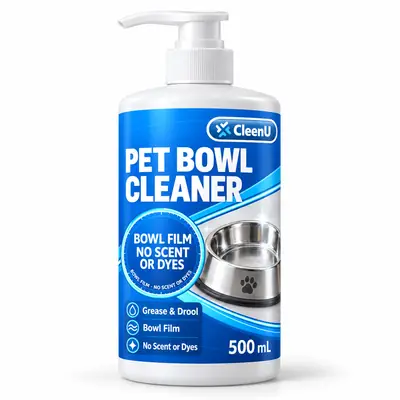
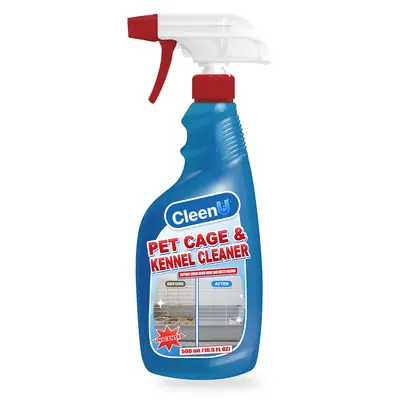
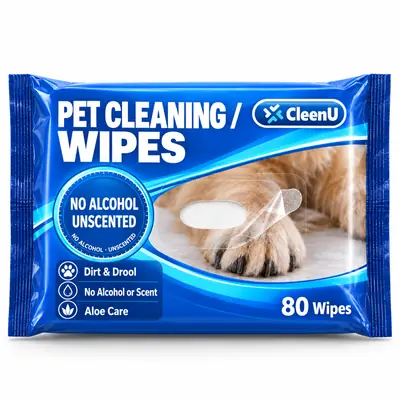
Pet-supply cleaning splits into three jobs. Bowls and fountain tanks carry grease, saliva and slimy biofilm, which a dish-type cleaner removes with scrubbing and a thorough rinse. Dog crates, bird cages, carriers and cat trees carry urine, waste residue and food scraps, which a cage cleaner handles with spray, dwell time and scrubbing. The pet itself picks up mud and drool on paws, coat and muzzle, which gentle pet wipes handle. Cleaning strength, rinse needs and pet contact differ for each. CleenU matches three pet-care products to the task and makes private-label OEM/ODM versions for pet-product brands, pet-store channels and online sellers.
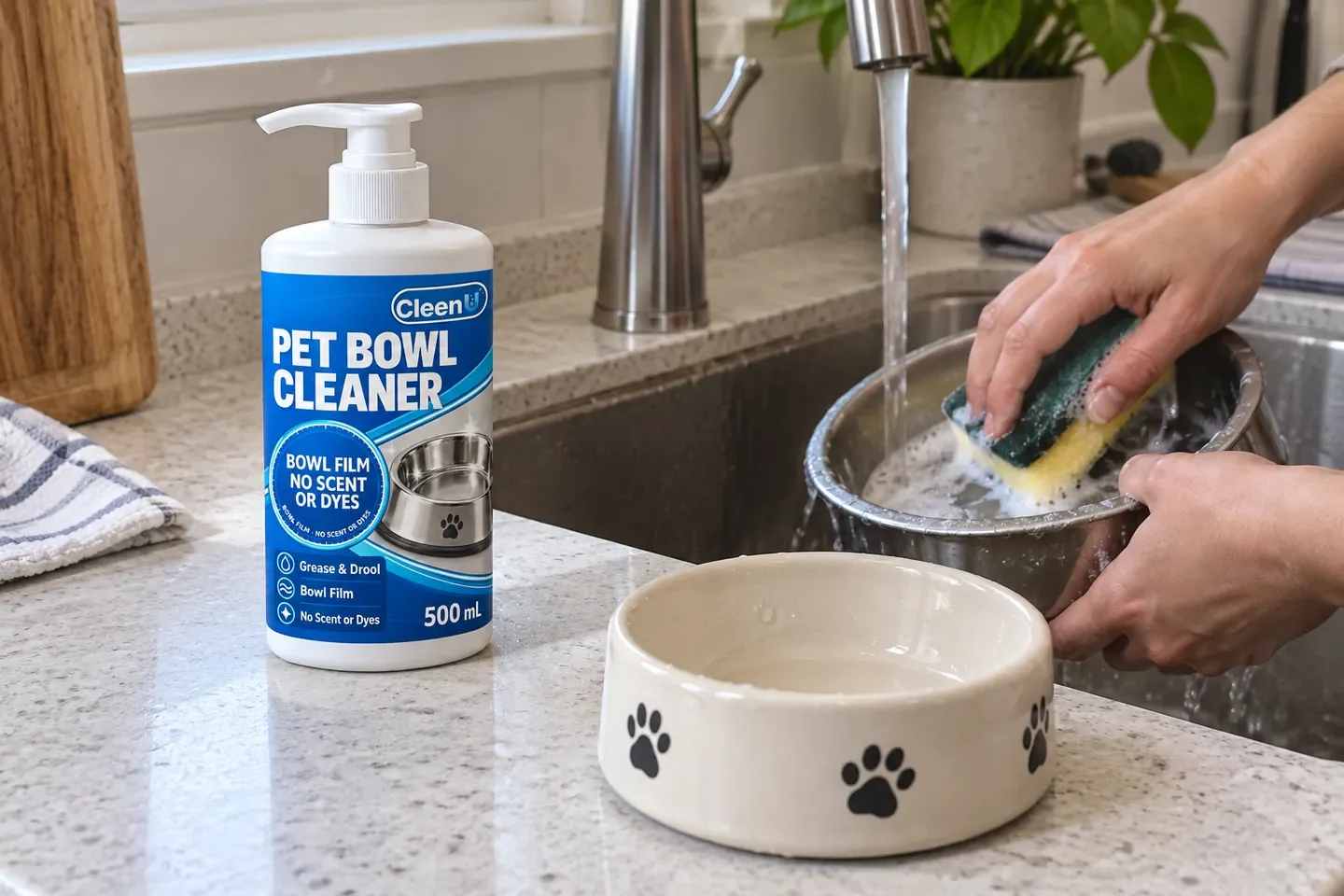
Tune the formula, pH and rinse behavior for bowls, cages or wipes
Samples are usually ready in 3–5 days
Pump bottles, refill pouches, counts, single packs, bundles and label language by brand
Private-label pet-cleaning products from 500 bottles
For a pet bowl, discard leftovers, press 1–2 pumps of cleaner onto a sponge, scrub the walls and base, rinse thoroughly under running water and dry it before the pet uses it. For a crate or carrier, remove the pet and bedding, spray the floor and bars, wait 3–5 minutes, scrub, rinse or wipe dry, and return the pet only when fully dry. For paws and coat, wipe along the hair with a pet wipe and clean between each toe, avoiding eyes, ear canals and wounds. Never soak a fountain motor or filter or use the crate cleaner with the pet inside; follow each product’s directions.
Discard leftovers, scrub with 1–2 pumps, rinse under running water and dry before reuse.
Scrub and rinse the tank and tray; keep the motor and filter dry and follow the manual.
Remove the pet and bedding, spray, wait 3–5 minutes, scrub and rinse, and return the pet only when fully dry.
Take a wipe, wipe along the hair, clean between each toe, and close the pack tightly.
Spot-test natural stone, coated, and wood surfaces in a hidden area first.
Tell us what you are cleaning, the surface, and how you clean it, and we will point you to the right product or formula.
Get Product AdviceWe tune the surfactant system, pH, rinse behavior and wipe feel separately for bowls, cages and wipes.
Free samples are usually ready in 3–5 days, then tuned from your tests on the target pets, materials and lingering odor.
Pump bottles, refill pouches, trigger sprays, 80-count and single-wipe packs, label design and language, and e-commerce bundles.
Each formula keeps batch retention samples and a COA, so color, scent, and feel stay consistent on reorders.
Three everyday pet-care targets, compared by product, pH, format and method. Bowl cleaner is scrubbed and rinsed, crate cleaner is sprayed, left to dwell and scrubbed, and pet wipes are wiped on directly without rinsing. They touch the pet in different ways and cannot replace one another.
| Cleaning Job | Where | Strength | Foam | Method |
|---|---|---|---|---|
| Bowls | Pet bowls, fountain tanks and feeder trays | Alkyl polyglucoside, pH 6.5–8.0 | Pump bottle, scrub with a sponge | 1–2 pumps, scrub, rinse under running water |
| Cages | Crate floors, bars, carriers and cat trees | Enzyme blend, pH 7.0–8.5 | Ready-to-use spray | Spray, wait 3–5 minutes, scrub, rinse or wipe dry |
| Wipes | Pet paws, coat and muzzle | Mild amphoteric surfactants, pH 5.5–7.0 | Pre-moistened wipe, no rinsing | Wipe along the hair and between each toe |
Use the matching product for bowls, crates and the pet’s body, and never mix them.
Rinse bowls under running water until there is no foam or smell, then dry.
Let crates dry completely before returning the pet and fresh bedding.
After wiping, watch the pet’s skin and stop use and ask a veterinarian if anything looks off.
Common questions about how to use it, which surfaces are safe, and private-label orders.
The slime is biofilm built from grease, saliva and food residue, and it gives off a fishy smell. Discard leftovers, press 1–2 pumps onto a sponge, scrub the walls and base, rinse thoroughly under running water and dry before the pet uses it.
Remove the tank and tray, scrub them with bowl cleaner and a sponge, rinse thoroughly, dry and reassemble. Do not soak the motor or filter, and follow the fountain’s manual for disassembly.
Remove the pet and bedding, spray the floor and bars with the cage cleaner, wait 3–5 minutes, scrub joints and gaps, rinse or wipe with a damp cloth, and return the pet and fresh bedding only when completely dry.
No. It lifts grease, saliva film and fishy odor, but it is not a disinfectant. If disinfection is needed, follow veterinary advice and rinse the bowl first.
Not while the pet is inside, not on wooden crates soaked for long, not mixed with chlorine disinfectants, and not as a substitute for disinfection recommended by a veterinarian. Keep the pet away during use and drying.
They suit paws, coat, muzzle and face (avoiding the eyes), the rear, feeding mats and crate surfaces. Do not use them inside the eyes or ears or on wounds and inflamed skin, and do not flush them. Frequency depends on your pet’s skin, and a pet with a skin condition should see a veterinarian first.
Prepare the target pets (cats, dogs, birds or small pets), the product type (bowl, cage or wipes), preferred packaging (pump bottle, refill pouch, 80-count pack and so on), size or count, the target market and expected volume. CleenU suggests a formula direction by project and prepares free samples.
After inquiry, CleenU provides SDS/MSDS, TDS and batch COA per project. Warning labels and regulatory requirements must be confirmed separately for each market, and this page does not mean any formula is certified.
Bowl and cage cleaners start at 500 bottles for standard projects, while wipes set their MOQ by specification and packaging. Free samples are usually ready in 3–5 days; bottles are scheduled after packaging and labels are approved, and wipes are scheduled once the specification, packaging and labels are confirmed.
Pet-supply cleaning comes down to separating the targets: scrub bowls with an unscented dish-type cleaner and rinse well, spray crates and wait 3–5 minutes before scrubbing and rinsing, and wipe paws and coat with pet wipes; none replaces disinfection or mixes with chlorine disinfectants. If you are a pet-product brand launching your own cleaning range, CleenU can start from these three products, with free samples first and a 500-bottle MOQ for bottled products.
Tell us your target pets, market and packaging ideas. Free samples are usually ready in 3–5 days.