Formula Tuning
Tune the enzyme system, pH and scent for urine, litter boxes or turf

Pet odor has to be treated by source: urine that has soaked into carpet, sofa and bed fibers, urine residue in and around the litter box, and urine and waste that has soaked into artificial turf pile and infill all differ in depth and in whether they can get wet. The enzyme pet stain remover, litter box odor eliminator and artificial turf cleaner all use enzymes to break down organic residue from urine and waste, but the spray method, amount and surfaces differ. CleenU matches three pet odor products to the task and makes private-label OEM/ODM versions for pet-product brands, pet-store channels and online sellers.
Tune the enzyme system, pH and scent for urine, litter boxes or turf
Samples are usually ready in 3–5 days
Sprayer type, refills, concentrate, bundles and label language by brand
Private-label pet odor products from 500 bottles
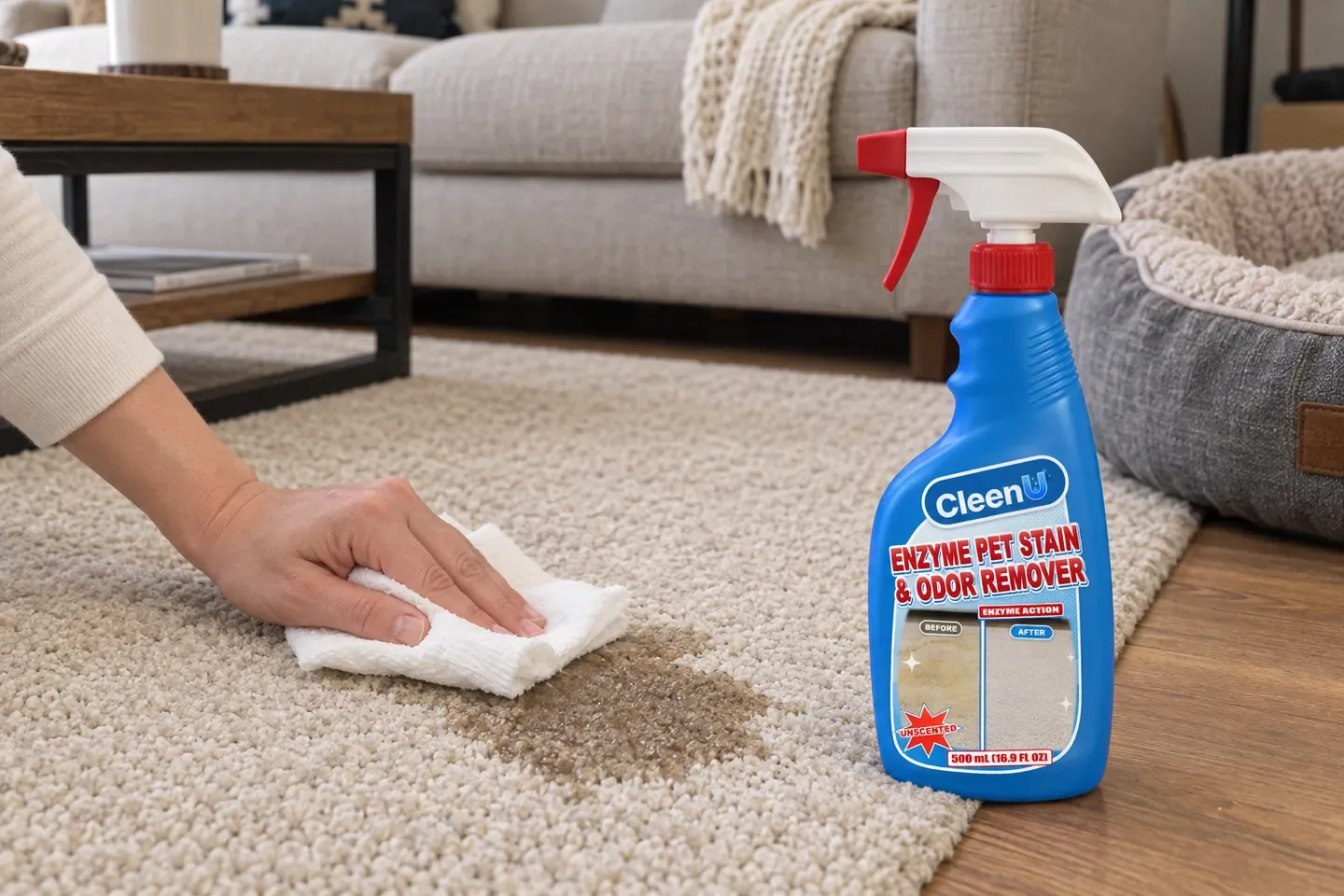
For cat and dog urine, blot first, soak the spot with the enzyme stain remover to the depth the urine went, wait 10–15 minutes, blot and air-dry. For a litter box, mist the litter surface with 3–5 sprays after scooping, and at each change soak the empty tray for 5 minutes, rinse and dry; never spray the cat. For artificial turf, remove waste, then spray evenly at 1:20 or with a hose-end sprayer, and keep pets and children off until dry. Not for wool, silk or real leather, and never mixed with chlorine disinfectants; follow each product’s directions.
Blot first, soak with the stain remover to the depth the urine went, wait 10–15 minutes, blot and air-dry.
Use the care label to judge whether spot treatment is allowed; soak, wait and blot where it is, and air-dry before the pet returns.
Mist the litter surface with 3–5 sprays after scooping; at each change spray the empty tray, wait 5 minutes, rinse and dry.
Remove waste and debris, spray at 1:20 or with a hose-end sprayer, concentrate on where pets urinate, and air-dry.
Spot-test natural stone, coated, and wood surfaces in a hidden area first.
Tell us what you are cleaning, the surface, and how you clean it, and we will point you to the right product or formula.
Get Product AdviceWe tune the enzyme system, pH, scent and spray pattern separately for urine, litter boxes and artificial turf.
Free samples are usually ready in 3–5 days, then tuned from your tests on the target pets, materials and lingering odor.
Mist or foam heads, 500 mL and 32 oz sprays, 1 L refills, 3.78 L concentrate, label design and language, and e-commerce bundles.
Each formula keeps batch retention samples and a COA, so color, scent, and feel stay consistent on reorders.
Three pet odor jobs, compared by product, pH, format and method. Urine is soaked to depth and left to dwell, a litter box takes a light mist alongside scooping and changing, and turf is sprayed at 1:20. All three use enzymes on organic residue, but none can stand in for another.
| Cleaning Job | Where | Strength | Foam | Method |
|---|---|---|---|---|
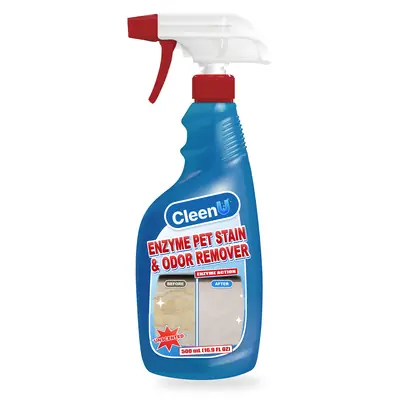
| Urine Stains | Carpet, sofas, mattresses and pet beds | Enzyme blend, pH 6.5–8.0 | Ready-to-use spray | Soak, wait 10–15 minutes, blot and air-dry |
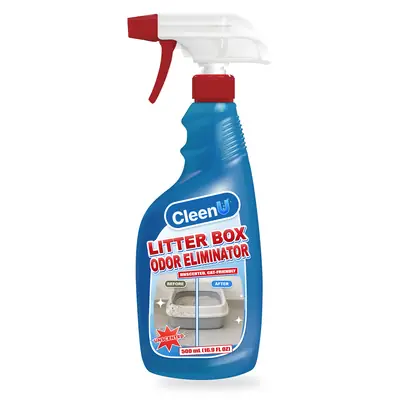
| Litter Box | Tray walls and floor, litter surface and surroundings | Enzyme blend, pH 6.5–8.0 | Ready-to-use fine mist | 3–5 sprays after scooping; full spray of the empty tray at changes |
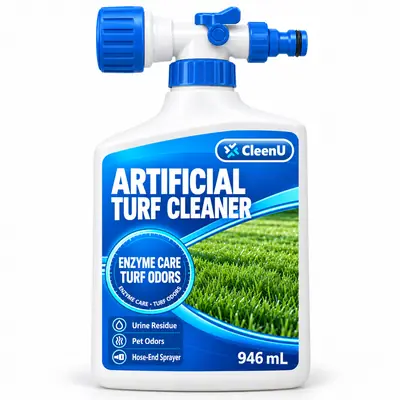
| Artificial Turf | Pile and infill | Enzyme blend, pH 6.5–8.0 | Concentrate, dilute 1:20 | Spray diluted or with a hose-end sprayer, air-dry |
Spot-test dark fabrics and uncertain surfaces in a hidden area.
Soak urine marks to the depth the urine reached and let the dwell time finish before blotting.
Each of the three covers one scene; do not mix them or use them with chlorine disinfectants.
Let treated surfaces dry completely before pets and children touch them.
Common questions about how to use it, which surfaces are safe, and private-label orders.
Urine soaks into the fibers, and the urea, protein and body-oil residue inside keeps giving off odor. Blot with paper towel, soak the spot with the enzyme stain remover to the depth the urine went, wait 10–15 minutes, blot and air-dry.
Wet old stains with warm water, apply the stain remover, wait 10–15 minutes, blot and air-dry, repeating once if needed. If the pet keeps returning to the same spot, the odor is not fully gone, so soak deeply rather than spraying only the surface.
Yes. After scooping, mist the litter surface with 3–5 sprays; at each change spray the whole empty tray, wait 5 minutes, rinse, dry and add fresh litter. Do not wet litter into clumps or spray at the cat, and let a few minutes pass before the cat uses it.
Wool, silk and other animal-protein fibers, real leather and suede, and unsealed raw wood floors are excluded. Spot-test dark fabrics in a hidden area before treating a whole stain.
No. Do not use them at the same time or right after. Urine contains ammonia-type compounds, and mixing with chlorine can release irritating gases and interfere with the enzymes. If you disinfect, rinse and dry fully first, then treat separately.
Let the turf air-dry and keep pets and children off until it is dry. The time depends on weather and amount used, so wait until it is completely dry. The turf cleaner does not replace picking up waste promptly.
Prepare the target pets (cat, dog or both), the scenes (fabric urine, litter box or turf), preferred sprayer type, scent, bottle size and refills, the target market and expected volume. CleenU suggests a formula direction by project and prepares free samples.
After inquiry, CleenU provides SDS/MSDS, TDS and batch COA per project. Warning labels and regulatory requirements must be confirmed separately for each market, and this page does not mean any formula is certified.
Standard projects start at 500 bottles. Free samples are usually ready in 3–5 days, and production is scheduled after packaging and labels are approved. Final terms follow the project specification.
Pet odor has to be treated by source: soak urine on fabric and floors and let it dwell for 10–15 minutes, mist a litter box alongside scooping and changing, and spray artificial turf at 1:20, never mixing any of them with chlorine disinfectants. If you are a pet-product brand launching your own odor range, CleenU can start from these three formulas, with free samples first and a 500-bottle MOQ.
Tell us your target pets, market and packaging ideas. Free samples are usually ready in 3–5 days.