Formula Tuning
Tune format, evaporation, and residue to screen size

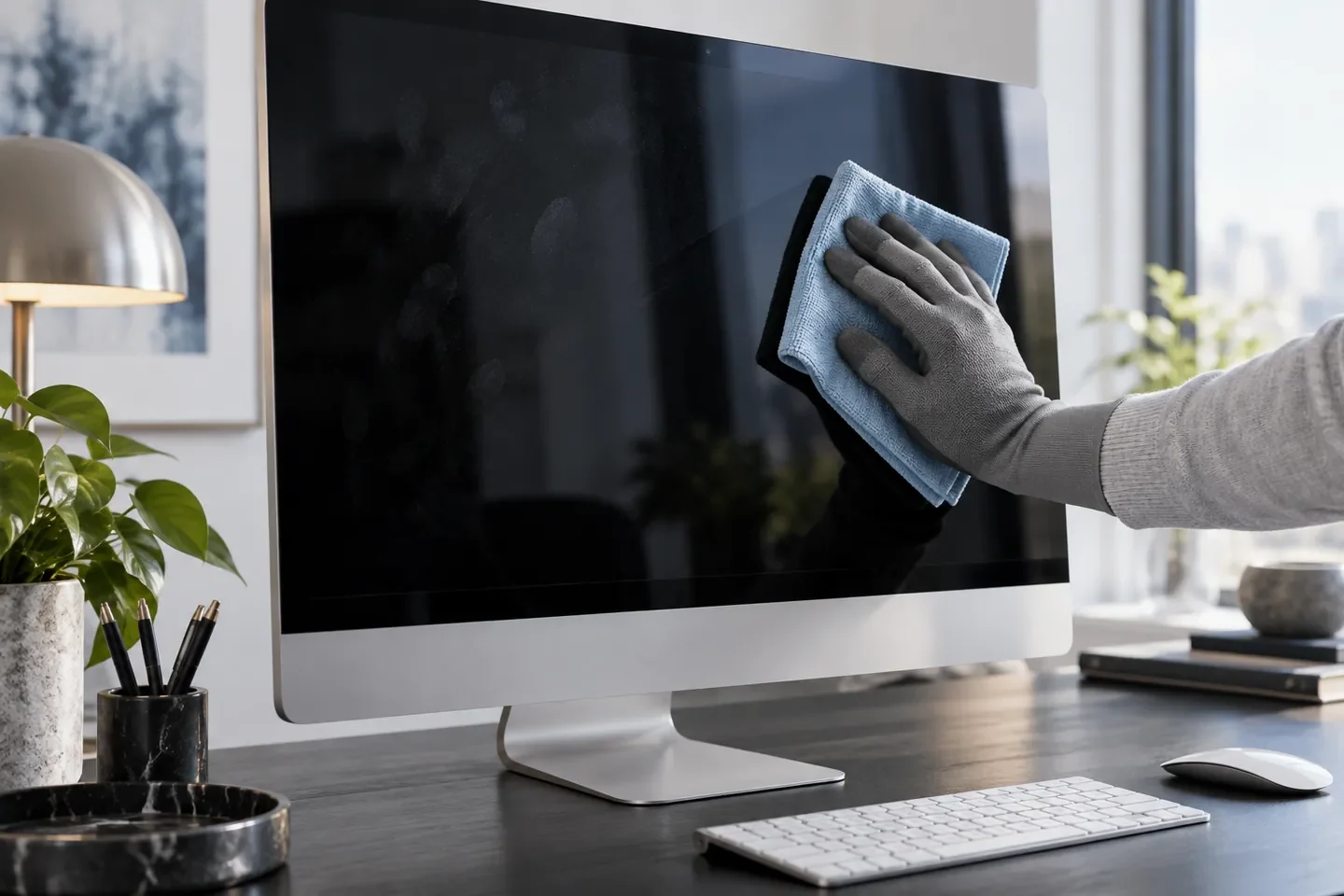
The first rule of using a screen cleaner is: spray the cloth, not the screen. Liquid sprayed straight on runs down into the bezel, and most TV, monitor, and phone screens have anti-glare or anti-fingerprint coatings that alcohol, ammonia, and rough paper towels can damage. CleenU's screen cleaners are neutral, ammonia-free, and alcohol-free: a mist sprayed onto microfiber for everyday small screens, and a no-drip foam for large and touch screens. CleenU matches the two to screen size and setting and makes private-label and OEM/ODM screen cleaners for electronics accessory brands, cleaning brands, and online sellers.
Tune format, evaporation, and residue to screen size
Samples are usually ready in 3–5 days
Mist or foam, travel sizes, and microfiber cloth kits
Private-label screen cleaners from 500 bottles
For fingerprints, smudges, and dust on TVs, monitors, laptops, tablets, and phones, turn the screen off and let it cool, spray a neutral ammonia- and alcohol-free screen mist onto a microfiber cloth, wipe gently in one direction, and finish with the dry side of the cloth. For large TVs, touchscreen kiosks, car displays, and equipment panels, spray the screen cleaning foam onto the cloth or dab a little in the middle of the screen and wipe outward; the foam doesn't drip or run. Don't spray screens heavily, skip paper towels, and don't wipe a screen that's on and warm. These are cleaners, not disinfectants.
Fingerprints and dust on large screens: turn off, spray the Screen Cleaning Foam onto a cloth, and wipe outward from the middle.
Fingerprints and smudges on small screens: spray the Screen Cleaner onto microfiber and wipe gently in one direction.
High-touch smudges: turn the screen off and wipe with the foam, which doesn't drip into the gaps.
Fingerprints and dust: with the car off and screen dark, spray foam onto a cloth and wipe, avoiding button gaps.
Spot-test natural stone, coated, and wood surfaces in a hidden area first.
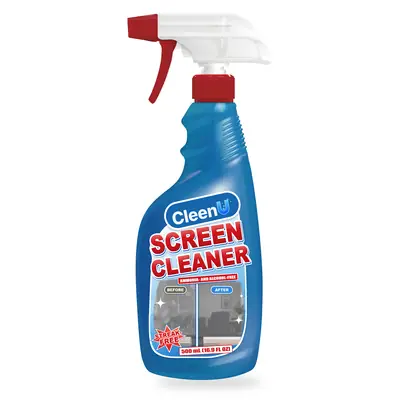
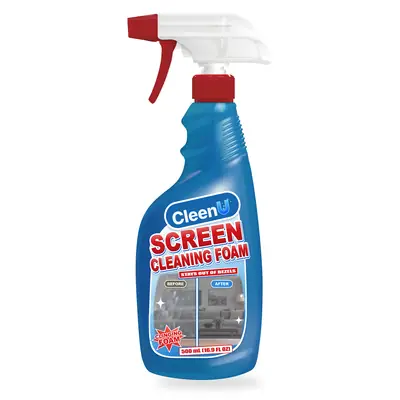
Tell us what you are cleaning, the surface, and how you clean it, and we will point you to the right product or formula.
Get Product AdviceWe tune format, evaporation, and residue separately for small and large screens, with screen coatings in mind.
Free samples are usually ready in 3–5 days, then tuned for streaking, dry time, and foam stability based on your tests.
Mist or foam, travel sizes, label design and language, plus microfiber cloth e-commerce kits.
Each formula keeps batch retention samples and a COA, so color, scent, and feel stay consistent on reorders.
Three common screen jobs, compared by product, pH, foam, and method. Both products are neutral, ammonia-free, and alcohol-free; the difference is the format: a mist sprayed onto a cloth for small screens, and a no-drip foam for upright large screens and touchscreens.
| Cleaning Job | Where | Strength | Foam | Method |
|---|---|---|---|---|
| Small Screens | Phones, tablets, laptops, and monitors | Neutral, pH 6.5–7.5 | None | Spray the cloth, wipe one way, finish dry |
| Large & Touch Screens | Large TVs, touchscreen kiosks, and panels | Neutral, pH 6.5–7.5 | Stable foam | Spray the cloth or dab a little, wipe outward |
| Car Displays | Car center screens and instrument displays | Neutral, pH 6.5–7.5 | Stable foam | Car off, spray the cloth, and wipe |
Turn off the screen or device and let it cool; fingerprints show up better on a dark screen.
Brush off dust with a dry microfiber cloth so you're not wiping grit around.
Spray the cloth, wipe in one direction without pressing, and keep liquid out of the bezel.
Go over it with the dry side, check for streaks against the light, and turn it on once fully dry.
Common questions about how to use it, which surfaces are safe, and private-label orders.
Turn it off, let it cool, and brush away dust with a dry microfiber cloth. Spray the screen cleaning foam onto the cloth or dab a little in the middle of the screen, wipe outward in one direction, and finish with the dry side of the cloth. Skip paper towels and regular towels, and don't press hard on the screen.
It's not recommended. Most monitors have an anti-glare or anti-reflective coating that high-strength alcohol can haze or strip. A neutral ammonia- and alcohol-free screen cleaner sprayed onto microfiber is all you need.
Not heavily. Liquid runs down to the bezel and into the gaps. Spray the mist onto the cloth; the foam doesn't drip, so on large screens you can dab a little in the middle and wipe it out right away.
Turn the screen off, spray the screen mist onto a microfiber cloth, and wipe the screen and around the camera in one direction, keeping liquid out of the speaker, charging port, and button gaps.
Turn the screen off and wipe it with the screen foam sprayed onto a cloth; the foam doesn't drip, which suits upright screens. These are cleaners, so where a site requires disinfection, use a compliant disinfectant as the rules require.
Use a clean cloth reserved for screens, wash it with plain water and no fabric softener, and let it dry before use; a cloth carrying grit will scratch the screen.
Settle four things: mist or foam; claims like unscented, ammonia-free, and alcohol-free; bottle size and whether to include a microfiber cloth; and your target market and label language. Then we'll arrange free samples, usually ready in 3–5 days.
We provide SDS/MSDS, TDS, and batch COA, and prepare label copy for your target market. These documents aren't posted for download; we send them on request after you inquire.
Standard projects start at 500 bottles. Free samples are usually ready in 3–5 days, and production is scheduled after packaging and labels are approved.
Screen cleaning comes down to spraying the cloth, not the screen, and skipping alcohol and paper towels: a neutral ammonia- and alcohol-free mist on microfiber for phones, tablets, laptops, and monitors, and a no-drip foam for big TVs, touchscreens, and car displays, always on a cool, powered-off screen. If you're an electronics or cleaning brand launching your own screen cleaner, CleenU can start from these two formulas, with free samples first and a 500-bottle MOQ.
Tell us your target market, screen types, and packaging ideas. Free samples are usually ready in 3–5 days.