Formula Tuning
Tune foam, residue, and scent to the model and floor

The right robot mop cleaning solution comes down to low foam and low residue. Robot mops and floor scrubbers feed water through narrow tanks, pumps, and lines, and regular floor cleaners foam too much, which can clog lines, overflow the dirty tank, and leave streaks. CleenU's robot mop solution is a neutral low-foam concentrate, 10–20 mL per fill with no rinse, and a pet-home version targets paw prints, nose smudges, and pet odor on floors. CleenU matches the solution to the floor and household and makes private-label and OEM/ODM versions for robot vacuum brands, cleaning brands, and online sellers.
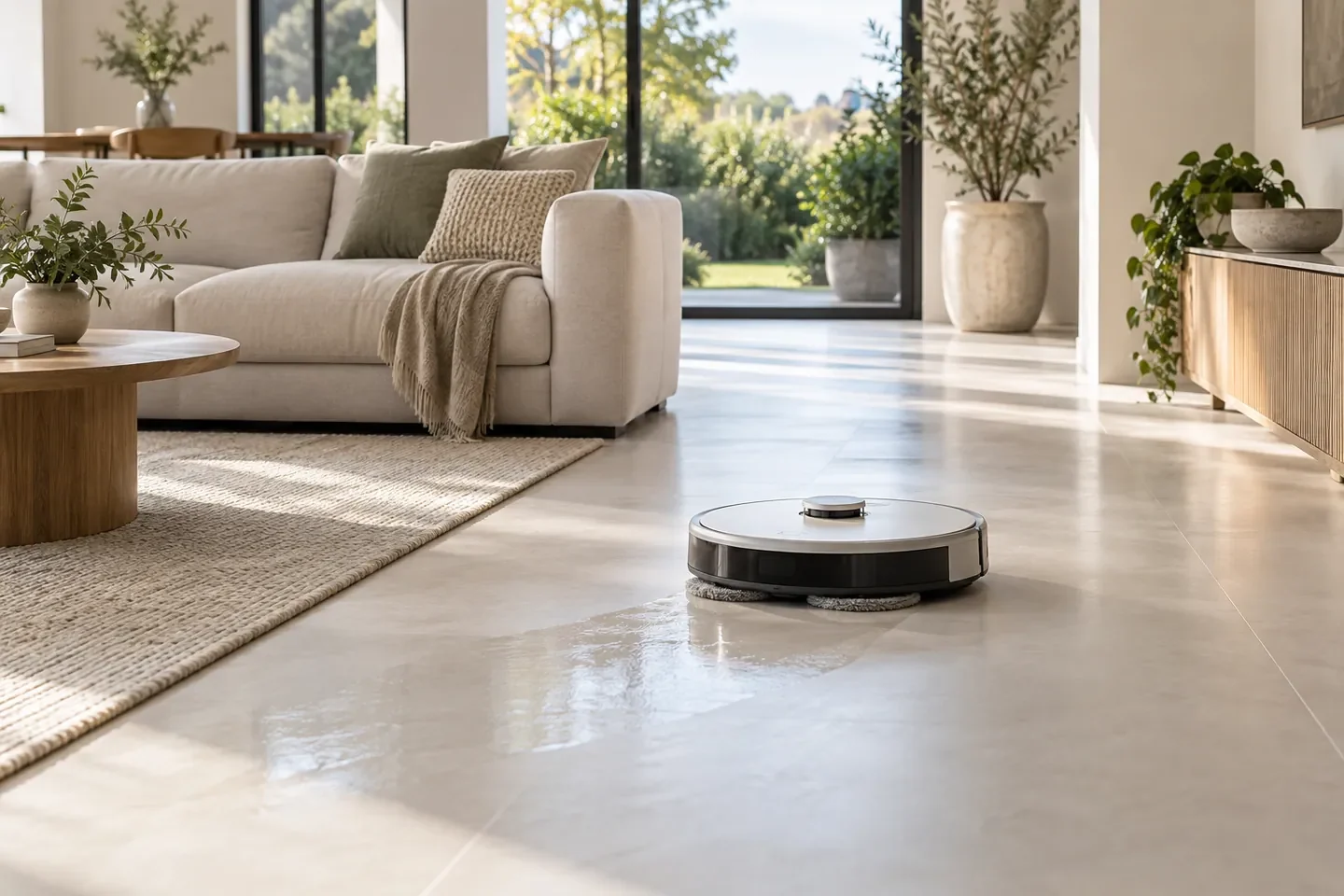
Tune foam, residue, and scent to the model and floor
Samples are usually ready in 3–5 days
Concentration, measuring cap, scent, and label language
Private-label robot mop solutions from 500 bottles
For everyday mopping with a robot mop or floor scrubber, add 10–20 mL of neutral low-foam robot mop solution to the clean-water tank, top it up with water, and run a normal cycle with no rinse; for auto-dosing docks, set the dose per the manual. Pet homes can use the pet-home version at the same 10–20 mL per fill, and pets can walk on the floor once it's dry; pick up urine and vomit by hand first. For wood floor edges the robot can't reach, mist a low-moisture wood floor cleaner and mop by hand along the grain. Confirm your machine allows cleaning solution first, and never mix it with disinfectants or other cleaners.
For everyday mopping, add 10–20 mL of the Robot Vacuum & Mop Floor Cleaning Solution per tank, or set auto-dosing docks per the manual; no rinse.
Dose the clean-water tank at 10–20 mL as well; the low-foam formula keeps the dirty tank from overflowing.
Paw prints, nose smudges, and residue around food bowls: use the pet-home version, and pets can walk on it once dry.
Footprints and dust in entryways and living rooms: after the robot mops, touch up wood floor edges by hand with the wood floor cleaner.
Spot-test natural stone, coated, and wood surfaces in a hidden area first.
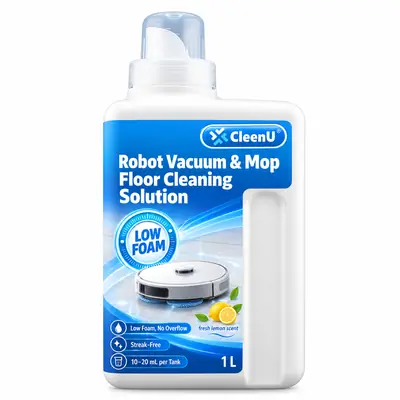
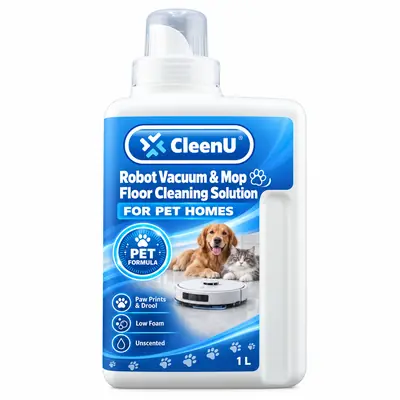
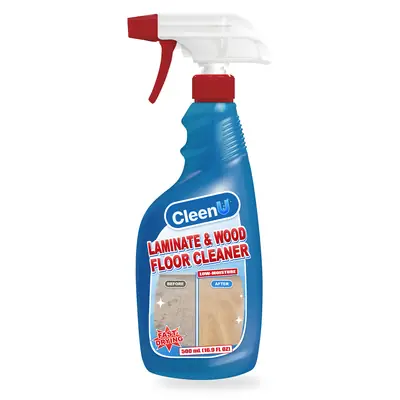
Tell us what you are cleaning, the surface, and how you clean it, and we will point you to the right product or formula.
Get Product AdviceWe tune foam, residue, and scent to the tanks, lines, and docks of your target models.
Free samples are usually ready in 3–5 days, then tuned for foam height, residue, and scent based on your machine tests.
Concentration, measuring caps, scented or unscented, label design and language, plus machine-accessory bundles.
Each formula keeps batch retention samples and a COA, so color, scent, and feel stay consistent on reorders.
Three common mopping jobs, compared by product, pH, foam, and method. Both machine solutions are neutral low-foam concentrates dosed at 10–20 mL per fill; the pet version targets paw prints and pet odor; and a low-moisture cleaner handles wood floor edges by hand.
| Cleaning Job | Where | Strength | Foam | Method |
|---|---|---|---|---|
| Everyday Mopping | Robot mops, scrubbers, and docks | Neutral, pH 6.5–7.5 | Low | 10–20 mL per fill, no rinse |
| Pet Homes | Machine mopping in pet homes | Neutral, pH 6.5–7.5 | Low | 10–20 mL per fill; pets can walk once dry |
| Wood Floors | Wood floor edges the robot can't reach | Neutral, pH 6.5–7.5 | Low | Mist and mop by hand along the grain |
Read the manual to confirm the tank or dock allows solution and note the recommended dose.
With a new machine or floor, mop a small area at the lowest dose and check foam, streaks, and scent.
10–20 mL per fill, no more, and never mix in disinfectants or other cleaners.
Look for a clean, streak-free floor and no overflow in the dirty tank; clean pads and tanks regularly.
Common questions about how to use it, which surfaces are safe, and private-label orders.
It's not recommended. Regular floor cleaners are made for hand mopping and tend to foam and leave more residue; in a machine they can overflow, strain the pump and lines, and streak the floor. Use a neutral low-foam solution made for robot mops and floor scrubbers.
10–20 mL per fill: add it to the clean-water tank, top it up with water, and run a normal cycle with no rinse. The 1 L concentrate comes with a measuring cap and lasts about 50–100 uses. For auto-dosing docks, set the dose per the manual.
Use the pet-home robot mop solution, also 10–20 mL per fill. It targets paw prints, nose smudges, residue around food bowls, and pet odor on floors, and pets can walk on the floor once it's dry. Pick up urine and vomit by hand first.
No. Mixing products can cause foaming or residue or affect the machine. Add only one cleaning solution at a time.
Sealed hardwood, engineered wood, and laminate are fine with a low water setting and 10–20 mL of solution per tank. Unfinished, waxed, and oil-finished wood floors shouldn't be wet mopped.
Check that you're not using more than about 20 mL per fill and that no other cleaner is left in the tank. Empty and rinse the clean and dirty tanks, then refill at the right dose.
Settle four things: the target models and whether it's for auto-dosing docks; everyday or pet version; scented or unscented; and concentration, bottle and measuring cap, and label language. Then we'll arrange free samples, usually ready in 3–5 days.
We provide SDS/MSDS, TDS, and batch COA, and prepare label copy for your target market. These documents aren't posted for download; we send them on request after you inquire.
Standard projects start at 500 bottles. Free samples are usually ready in 3–5 days, and production is scheduled after packaging and labels are approved.
A robot mop cleaning solution comes down to low foam and low residue: a neutral low-foam concentrate at 10–20 mL per fill with no rinse for everyday mopping, a pet-home version for paw prints and pet odor, and a low-moisture wood cleaner for edges the robot can't reach. Confirm your machine allows solution, and never mix in disinfectants. If you're a robot vacuum or cleaning brand launching your own solution, CleenU can start from these three formulas, with free samples first and a 500-bottle MOQ.
Tell us your target models, market, and packaging ideas. Free samples are usually ready in 3–5 days.