Formula Tuning
Tune formula, scent, and dose for washers or fridges

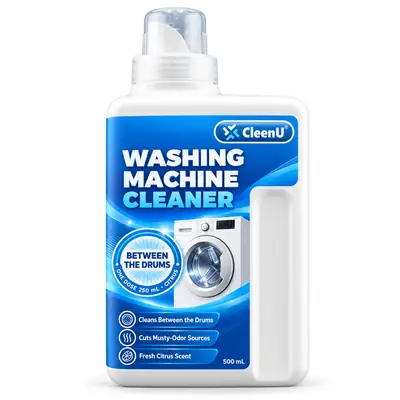
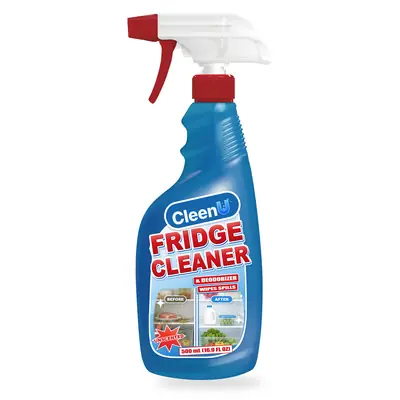
A musty washer and a smelly fridge can't be fixed with fragrance, because the source is still there. Washer odor mostly comes from scale, soap scum, and detergent residue built up between the inner and outer drums and in the door gasket, and a washing machine cleaner run through an empty tub-clean cycle flushes it out. Fridge odor comes from spilled food and juice on the liner, shelves, and door seals, which need wiping clean and neutralizing, not perfuming. CleenU matches three products to the appliance and odor source and makes private-label and OEM/ODM washer and fridge cleaners for appliance accessory brands, home channels, and online sellers.
Tune formula, scent, and dose for washers or fridges
Samples are usually ready in 3–5 days
Single-dose packs, bundles, scent, and label language
Private-label washer and fridge cleaners from 500 bottles
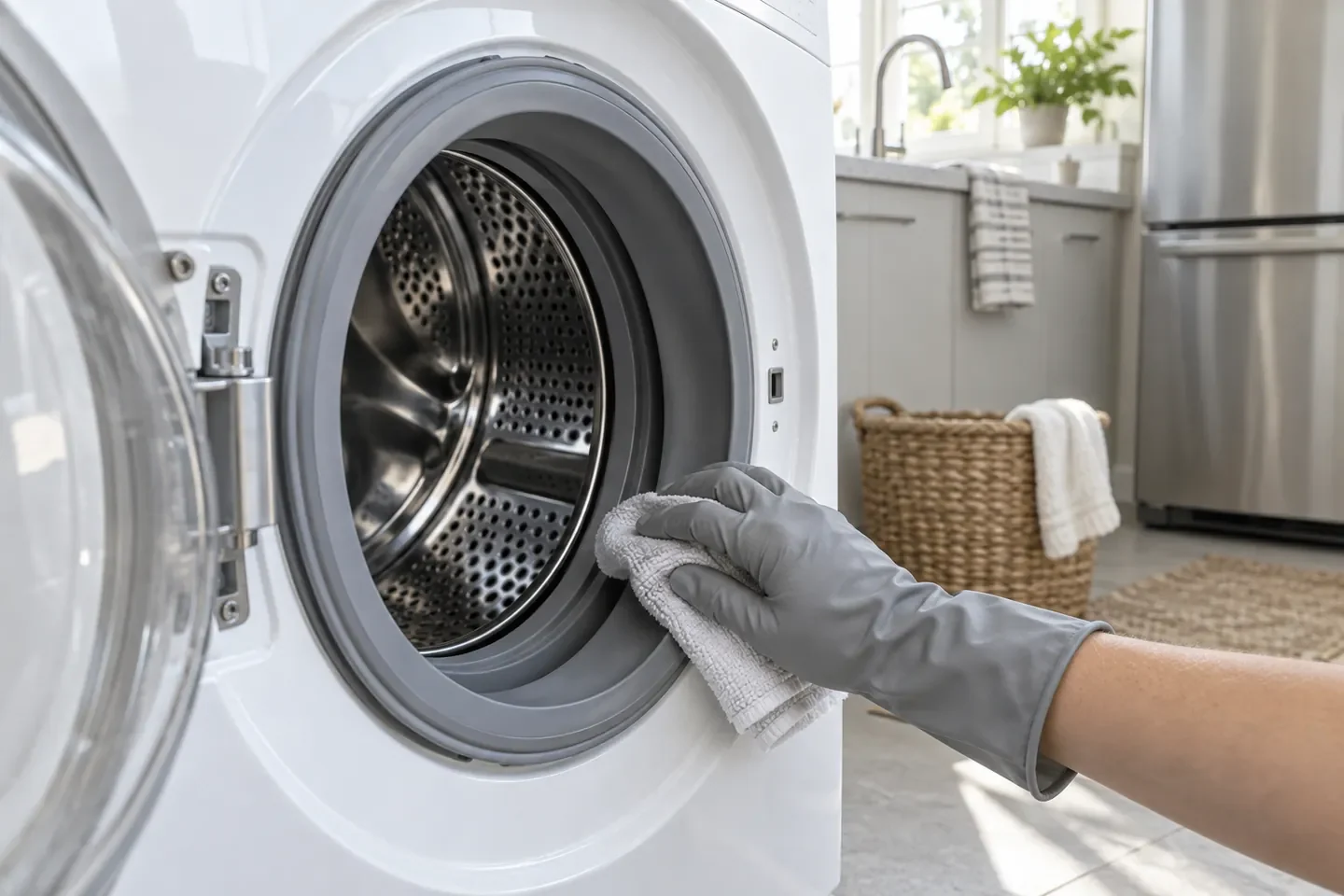
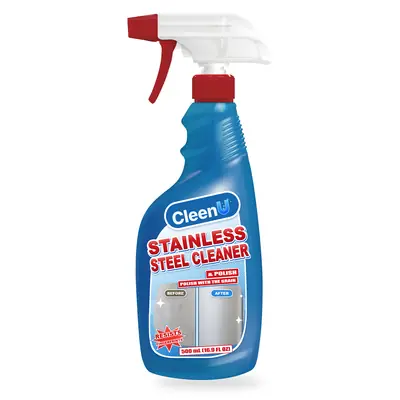
For a musty front-load or top-load washer, or laundry that comes out smelling off, pour one dose of the acidic washing machine cleaner into the empty drum, run the tub-clean cycle or the longest 60°C cycle, run one extra rinse, then dry the door gasket and leave the door open. For food residue and odors on the fridge liner, glass shelves, crisper drawers, and door seals, spray the neutral unscented fridge cleaner, wipe after a minute, clean the seals with a soft brush, wipe again with clean water, and put food back once dry. For fingerprints on a stainless fridge, spray a stainless polish onto a cloth and wipe with the grain. Never use the washer cleaner with chlorine products or with clothes inside, don't spray the fridge cleaner on food, and neither makes disinfecting claims.
Scale, soap scum, and mustiness in the drum gap: one dose in the empty drum on the tub-clean or longest 60°C cycle.
After the cycle, dry the gasket folds, rinse the detergent drawer, and keep the door open to air out.
Food residue on the liner, shelves, and crisper drawers: spray the fridge cleaner, wipe after a minute, and wipe again with water.
Residue in fridge door-seal gaps: brush with the cleaner on a soft brush and dry with a cloth.
Spot-test natural stone, coated, and wood surfaces in a hidden area first.
Tell us what you are cleaning, the surface, and how you clean it, and we will point you to the right product or formula.
Get Product AdviceWe tune pH, scent, and residue separately for the washer drum gap, fridge interior, and stainless fronts.
Free samples are usually ready in 3–5 days, then tuned for cleaning, odor control, and scent based on your tests.
Single-dose or multi-dose packs, bundles, label design and language, and appliance cleaning kits.
Each formula keeps batch retention samples and a COA, so color, scent, and feel stay consistent on reorders.
Three common appliance cleaning and odor jobs, compared by product, pH, foam, and method. Scale and soap scum in the washer's drum gap take an acidic cleaner run through an empty cycle; food residue and odors inside the fridge take a neutral unscented spray wiped clean; and stainless fronts take a polish wiped with the grain.
| Cleaning Job | Where | Strength | Foam | Method |
|---|---|---|---|---|
| Washer Maintenance | Washer drum gap and door gaskets | Acidic, pH 2.0–3.5 | Low | Empty drum on tub-clean or longest 60°C cycle |
| Fridge Interior | Fridge liners, shelves, and door seals | Neutral, pH 7.0–8.5 | Low | Wipe after a minute, then with clean water |
| Stainless Fridge Fronts | Stainless fridges and appliance fronts | Near-neutral, pH 7.0–8.5 | Low | Spray the cloth and wipe with the grain |
Figure out whether the odor comes from the washer's drum gap and gasket or the fridge interior.
Empty the washer drum and take the food out of the fridge.
Run the washer empty, wipe the fridge after spraying, and never mix with chlorine products.
Dry the gasket, leave the washer door open, restock the fridge once dry, and see whether the odor is gone.
Common questions about how to use it, which surfaces are safe, and private-label orders.
Pour one dose of the washing machine cleaner and descaler into the empty drum, run the tub-clean cycle or the longest 60°C cycle, and run one extra rinse. Remove and rinse the detergent drawer and dry the gasket. Leaving the door open after each load keeps the smell from coming back.
Gasket folds collect water and residue. After the cleaning cycle, wipe the water and grime out of the folds; for heavier darkening, wipe with a cloth dampened with a little cleaner and then with clean water. Drying it after each load and leaving the door open reduces darkening.
Take the food out, spray the refrigerator cleaner and deodorizer on the liner, shelves, and crisper drawers, wipe after a minute, brush the door-seal gaps with a soft brush, wipe again with clean water, and put food back once dry. Storing food in sealed containers cuts down on odors.
Most households every 1–2 months; if you do laundry often, use cold washes a lot, or live somewhere humid, once a month.
Never. The acidic washer cleaner used with chlorine bleach or chlorine washer tablets releases harmful gas. Use one at a time with a rinse cycle in between.
No. It's a neutral, unscented cleaner and deodorizer for wiping away food residue and neutralizing odors, and it makes no antibacterial or disinfecting claims.
Settle four things: washer, fridge, or an appliance bundle; single-dose or multi-dose; scented or unscented; and your target market and label language. Then we'll arrange free samples, usually ready in 3–5 days.
We provide SDS/MSDS, TDS, and batch COA, and prepare acid warning statements and label copy for your target market. These documents aren't posted for download; we send them on request after you inquire.
Standard projects start at 500 bottles. Free samples are usually ready in 3–5 days, and production is scheduled after packaging and labels are approved.
Washer mustiness and fridge odors come down to cleaning the source: an acidic washer cleaner run through an empty tub-clean cycle for scale and soap scum in the drum gap and gasket, a neutral unscented cleaner wiped over food residue inside the fridge, and a stainless polish wiped with the grain on the front. Never use the washer cleaner with chlorine. If you're launching your own appliance cleaners, CleenU can start from these three formulas, with free samples first and a 500-bottle MOQ.
Tell us your target market, models, and packaging ideas. Free samples are usually ready in 3–5 days.