Formula Tuning
Tune formulas for paint, interiors, glass, and RV exteriors

The right car interior cleaner starts with splitting the vehicle into zones. Dashboards, door panels, and consoles in plastic and faux leather collect dust film, fingerprints, skin oil, and drink spills, which suit a mild alkaline, silicone-free cleaner that leaves a factory matte finish. Tar spots on paint and wheels are oily and need a solvent remover; icy winter windshields need an alcohol-based de-icer; and black streaks on RV fiberglass and aluminum need an alkaline cleaner. CleenU matches four car-care products to each zone and makes private-label and OEM/ODM car cleaners for car-care brands, RV channels, and online sellers.
Tune formulas for paint, interiors, glass, and RV exteriors
Samples are usually ready in 3–5 days
Car-care kits, seasonal bundles, and label language
Private-label car and RV cleaners from 500 bottles
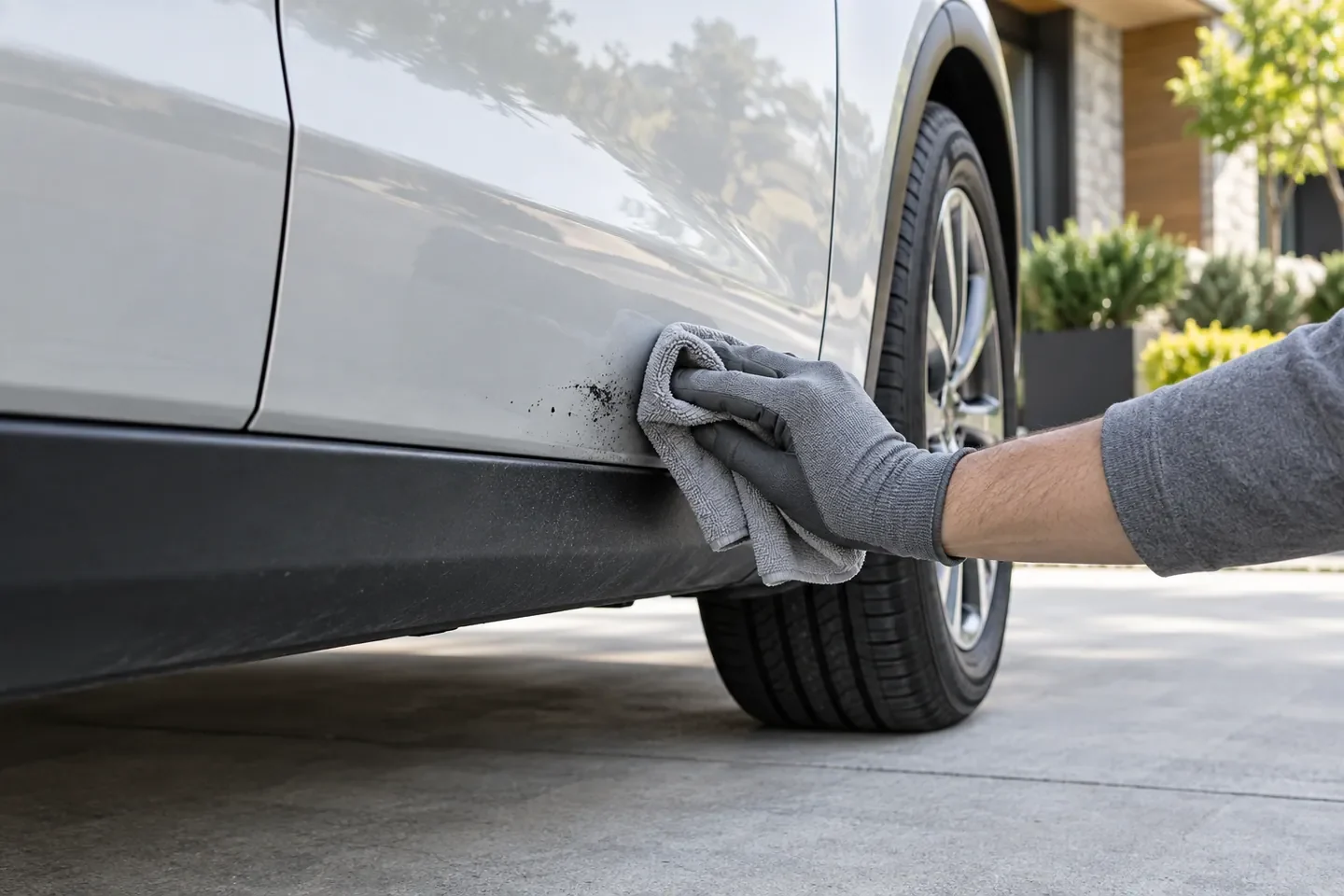
For tar spots on paint, wheels, and bumpers, work in shade, spray the asphalt tar remover, wait 30 seconds to 2 minutes, wipe off with a soft cloth, and wash the car as usual. For dust film, fingerprints, and drink spills on dashboards, door panels, consoles, and plastic or faux-leather trim, spray the car interior cleaner, wait 30 seconds, and wipe, spraying the cloth instead near screens and buttons. For frost and ice on windshields, windows, mirrors, and wipers, spray the windshield de-icer from the top down, wait 30 seconds to a minute, and clear with the wipers or a plastic scraper. For black streaks on RV fiberglass, aluminum siding, and awnings, spray the RV cleaner directly, wipe after 30 seconds to a minute, and rinse, or wash the whole rig top-down at 1:10. Don't use these on hot panels or in direct sun, spot-test matte paint, wraps, and acrylic windows, and use a fabric or leather cleaner on seats.
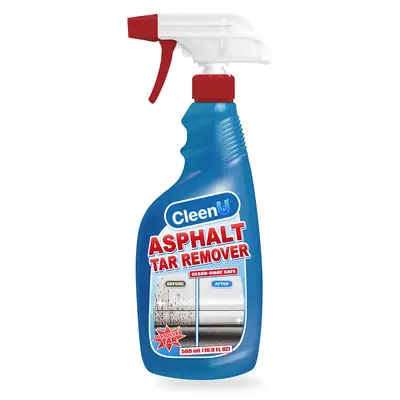
Tar spots on paint, wheels, and bumpers: in shade, spray the Asphalt Tar Remover, wait 30 seconds to 2 minutes, and wipe off with a soft cloth.
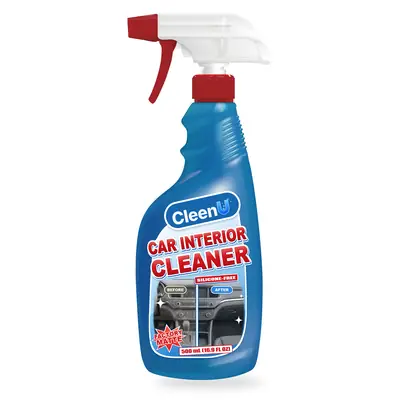
Dust film, fingerprints, and spills on the dash, doors, and console: spray the Car Interior Cleaner, wait 30 seconds, and wipe to a factory matte finish.
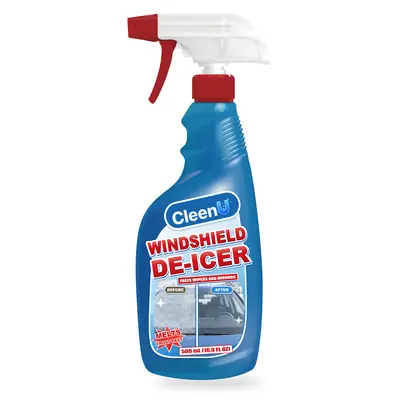
Winter frost and ice: spray the Windshield De-Icer top-down, wait 30 seconds to a minute, and scrape clear.
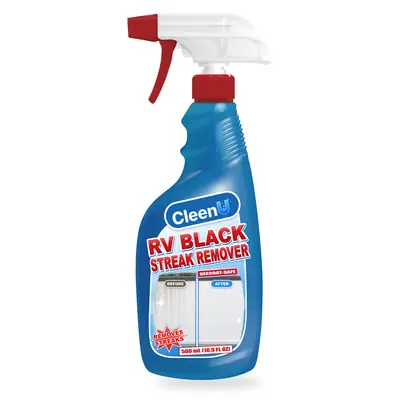
Black streaks on fiberglass and aluminum: spray the RV Black Streak Remover, wipe, and rinse, or wash the whole rig at 1:10.
Spot-test natural stone, coated, and wood surfaces in a hidden area first.
Tell us what you are cleaning, the surface, and how you clean it, and we will point you to the right product or formula.
Get Product AdviceWe tune formula, evaporation, and residue separately for paint, interiors, glass, and RV exteriors.
Free samples are usually ready in 3–5 days, then tuned for cleaning, finish, and scent based on your vehicle tests.
Trigger, bottle size, label design and language, plus car-care kits and winter de-icing bundles.
Each formula keeps batch retention samples and a COA, so color, scent, and feel stay consistent on reorders.
Four common car and RV jobs, compared by product, pH, foam, and method. Tar on paint softens with a solvent and wipes off, interiors take a mild alkaline silicone-free cleaner, icy glass takes an alcohol-based de-icer, and RV streaks take an alkaline wash. Each zone has its own product, so don't use one bottle for everything.
| Cleaning Job | Where | Strength | Foam | Method |
|---|---|---|---|---|
| Tar on Paint | Body panels, wheels, and bumpers | Neutral solvent-based, pH 6.5–8.0 | None | In shade, 30 seconds to 2 minutes, then wipe |
| Car Interiors | Dashboards, door panels, and consoles | Mildly alkaline, pH 8.0–9.5 | Low | 30 seconds, then wipe; spray the cloth near electronics |
| De-Icing | Windshields, windows, and mirrors | Neutral to mildly alkaline, pH 7.0–9.0 | None | Spray top-down, 30 seconds to a minute, then scrape |
| RV Exteriors | RV fiberglass and aluminum | Alkaline, pH 10.0–11.5 | Low | Spray and wipe streaks, or wash at 1:10 |
Park in shade and let the panels cool before cleaning.
Test matte paint, wraps, decals, and acrylic windows in a hidden area first.
Use the matching product for tar, interior, glass, and RV exterior, never mixing them.
Wash the car after tar removal, and check interior trim for glare or streaks.
Common questions about how to use it, which surfaces are safe, and private-label orders.
Park in shade and let the paint cool, spray the asphalt tar remover on the tar spots, wait 30 seconds to 2 minutes, wipe gently with a soft cloth, and wash the car as usual. Don't use it in direct sun or on hot paint, and spot-test matte paint and wraps first.
Vacuum first, spray the car interior cleaner on the dashboard, door panels, and console, wait 30 seconds, and wipe with microfiber; near screens and buttons, spray the cloth instead. It's silicone-free and leaves a factory matte finish with no glare.
Spray the windshield de-icer top-down on the windshield, windows, and mirrors; the frost melts in 30 seconds to a minute, then clear it with the wipers or a plastic scraper. It works down to about −25°C. It's flammable, so never spray it inside the car or use it as washer fluid.
Spray the RV cleaner directly on the streaks, wipe after 30 seconds to a minute, and rinse; for a full wash, dilute 1:10 and scrub top-down. Work in shade, and spot-test acrylic windows and decals first.
Use a fabric upholstery cleaner or carpet and upholstery cleaner on cloth seats, spraying lightly and blotting; use a leather cleaner on leather seats, sprayed onto a cloth and buffed. The interior cleaner is for plastic and faux-leather trim.
It's not recommended. Tar, interior soil, ice, and RV streaks are different problems, and the wrong product can damage paint, leave trim shiny, or streak.
Settle four things: exterior, interior, de-icing, or RV focus; whether to build seasonal bundles; bottle size and trigger; and your target market's labeling and warning requirements. Then we'll arrange free samples, usually ready in 3–5 days.
We provide SDS/MSDS, TDS, and batch COA, and prepare warning statements and label copy for your target market. These documents aren't posted for download; we send them on request after you inquire.
Standard projects start at 500 bottles. Free samples are usually ready in 3–5 days, and production is scheduled after packaging and labels are approved. De-icer is strongly seasonal, so confirm samples 1–2 months before winter.
Car and RV cleaning comes down to choosing by zone: a solvent tar remover wiped off paint and wheels in shade, a silicone-free mild alkaline cleaner for dashboards and door panels, an alcohol-based de-icer for icy glass, and an alkaline RV cleaner for black streaks, with separate fabric or leather products for seats. If you're a car-care or RV brand building your own line, CleenU can start from these four formulas, with free samples first and a 500-bottle MOQ.
Tell us your target market, channels, and packaging ideas. Free samples are usually ready in 3–5 days.