Formula Tuning
Tune the formula and method to the stain and floor type

A concrete sealer only works on a clean, dry floor, so garage and warehouse floors go in two steps: clean, then seal. Concrete is porous, and motor oil, brake fluid, and tire rubber soak into its pores and get harder to remove the longer they sit. Once the floor is clean, a penetrating silane-siloxane sealer makes water and oil bead up on the surface so spills wipe off more easily. CleenU matches a concrete oil cleaner, a stone oil stain remover, and a concrete sealer to the job and makes private-label and OEM/ODM versions for brands, distributors, and online sellers.
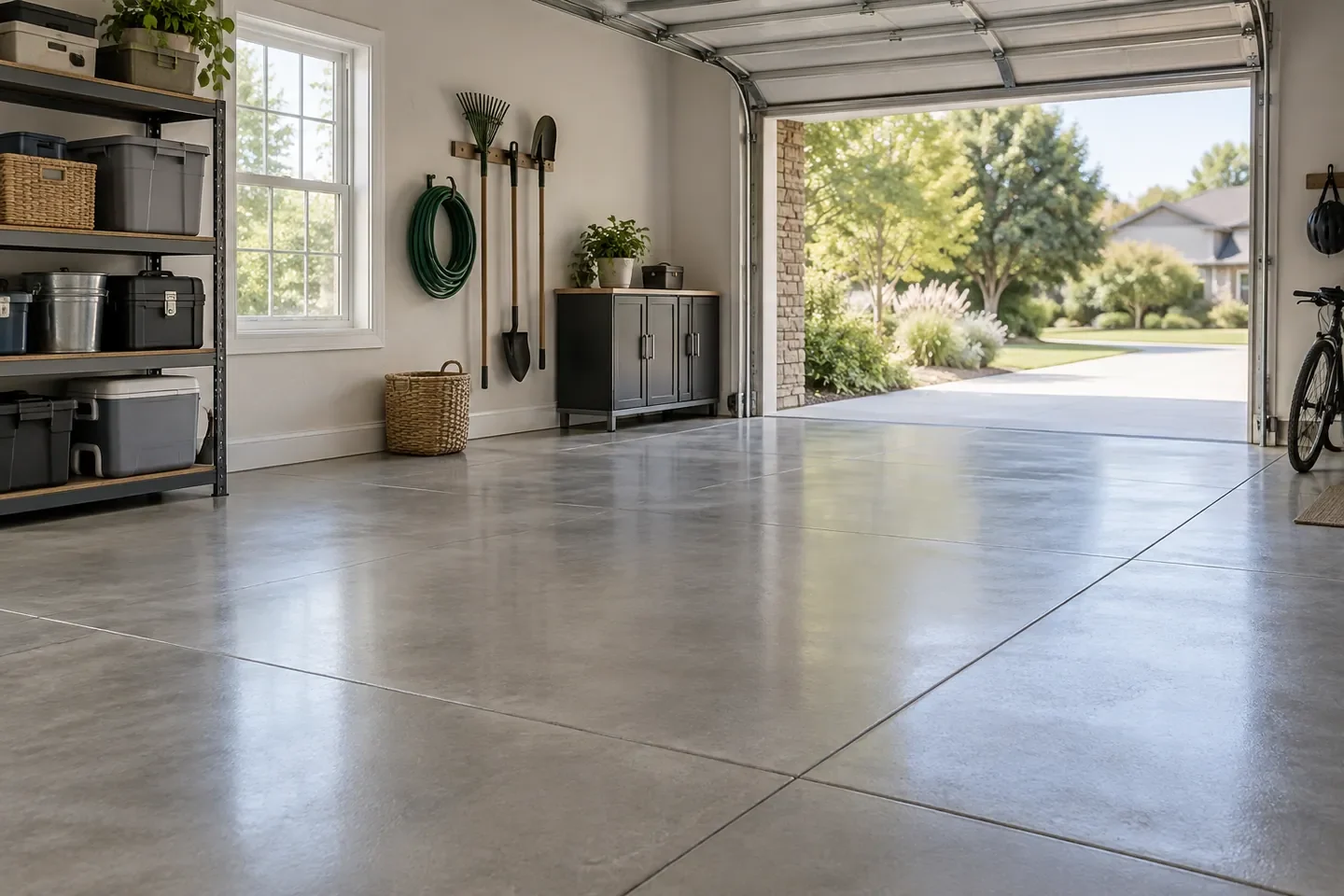
Tune the formula and method to the stain and floor type
Samples are usually ready in 3–5 days
Concentrate or spray, clean-and-seal kits, and label language
Private-label concrete cleaners and sealers from 500 bottles
For fresh motor oil on a garage floor, soak up the excess with an absorbent first, then pour a heavy-duty alkaline concrete cleaner straight onto the stain, wait 15–30 minutes, scrub with a stiff brush, and rinse; dilute 1:5 for large areas, and repeat 2–3 times on old stains. For oil soaked into natural stone and pavers, spray an absorbent stone oil stain remover or apply it as a poultice for 24 hours, then scrape it off. Once the floor is clean and fully dry, apply two wet-on-wet coats of a penetrating concrete sealer; it's walkable in 24 hours and fully effective in 72. Don't seal concrete less than 28 days old, damp floors, or coated floors.
Motor oil and tire marks in parking spots: the Patio & Driveway Cleaner straight on the stain for 15–30 minutes, scrub, then seal once dry.
Two coats of the Concrete Floor Water-Repellent Sealer on a clean, dry slab to cut water and oil penetration and surface dusting.
Oil and black grime: scrub at 1:5, keep it off plants along the edges, rinse, then seal.
Oil soaked into stone or pavers: poultice with the Stone Oil Stain Remover for 24 hours, then scrape off.
Spot-test natural stone, coated, and wood surfaces in a hidden area first.
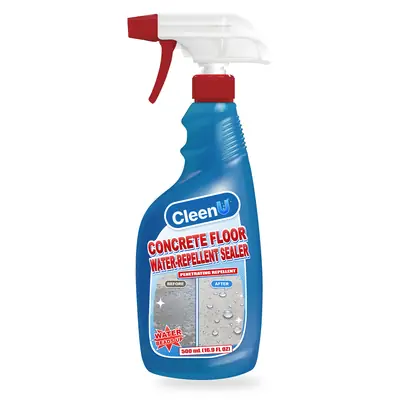
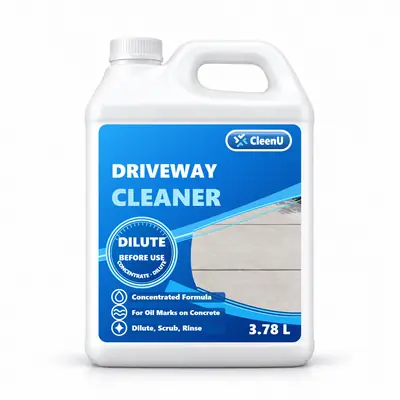
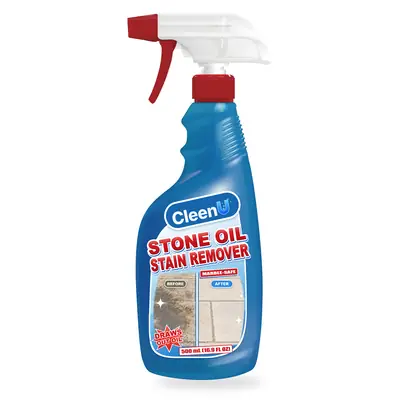
Tell us what you are cleaning, the surface, and how you clean it, and we will point you to the right product or formula.
Get Product AdviceWe tune the formula and application method for fresh oil, old stains, and different floor types.
Free samples are usually ready in 3–5 days, then tuned for passes needed, penetration, and dry time based on your tests.
Concentrates or sprays, pack sizes, warning statements, label language, and clean-and-seal kits.
Each formula keeps batch retention samples and a COA, so color, scent, and feel stay consistent on reorders.
The three steps of concrete cleaning and sealing, compared by product, pH, foam, and method. A heavy-duty alkaline formula scrubs oil out of concrete, an absorbent remover draws oil out of stone and pavers, and a penetrating sealer goes on last, over a clean, dry floor. The order matters: sealing over leftover oil locks the stain in.
| Cleaning Job | Where | Strength | Foam | Method |
|---|---|---|---|---|
| Oil Stain Cleanup | Concrete garages, driveways, and parking spots | Heavy-duty alkaline, pH 11.0–12.5 | Low | Straight on stains, 15–30 minutes, scrub and rinse |
| Sealing After Cleaning | Clean, dry concrete floors and slabs | Neutral to mildly alkaline, pH 7.0–9.0 | None | Two wet-on-wet coats, walkable in 24 hours |
| Stone & Paver Oil | Natural stone and pavers | Neutral, pH 6.5–8.0 | None | Spray for 15 minutes or poultice for 24 hours |
Tell fresh surface oil from old soaked-in stains, and check whether it's concrete, pavers, or natural stone.
Pick the product for the stain, scrub, rinse, and repeat 2–3 times on old stains.
Seal only once the floor is completely dry and oil-free, and new concrete has cured 28 days.
After 72 hours, drip a little water; if it beads up, the sealer is working.
Common questions about how to use it, which surfaces are safe, and private-label orders.
Soak up fresh oil with an absorbent or cat litter, then pour the patio and driveway cleaner straight onto the stain, wait 15–30 minutes, scrub with a stiff brush, and rinse. Old stains need 2–3 rounds; for large areas, dilute 1:5 and scrub.
Clean the floor and let it dry completely, then apply two wet-on-wet coats of the concrete floor water-repellent sealer so it penetrates the surface pores and cuts down on water and dirt getting in. It forms no film and doesn't change color. Structural dusting or cracking needs a flooring professional.
The floor must be clean, dry, and free of oil, and new concrete must cure for 28 days. Spray two coats wet-on-wet; it's walkable in 24 hours and fully effective in 72, after which water and oil bead up on the surface. It's not for floors coated with epoxy or floor paint.
No. It's a penetrating formula that works inside the pores, forms no film on the surface, and doesn't change the floor's color.
It's not recommended; the heavy-duty alkaline cleaner can damage natural stone. For oil in stone and pavers, use the stone oil stain remover: spray fresh stains and blot after 15 minutes, or poultice old stains for 24 hours and scrape off.
No. The heavy-duty cleaner damages asphalt, and the penetrating sealer isn't meant for asphalt either.
Settle four things: cleaner, sealer, or a clean-and-seal kit; the target floor (home garage or warehouse); pack sizes; and your target market's labeling and warning requirements. Then we'll arrange free samples, usually ready in 3–5 days.
We provide SDS/MSDS, TDS, and batch COA, and prepare warning statements and label copy for your target market. These documents aren't posted for download; we send them on request after you inquire.
Standard projects start at 500 bottles. Free samples are usually ready in 3–5 days, and production is scheduled after packaging and labels are approved.
Concrete and garage floors come down to cleaning first, then sealing: scrub oil out of concrete with a heavy-duty alkaline cleaner, draw it out of stone and pavers with an absorbent remover, and only then apply a penetrating sealer to the clean, dry floor, walkable in 24 hours and fully effective in 72. Skip asphalt, coated floors, and new concrete. If you're launching concrete cleaning and sealing products, CleenU can start from these three formulas, with free samples first and a 500-bottle MOQ.
Tell us your target market, floor types, and packaging ideas. Free samples are usually ready in 3–5 days.