Formula Tuning
Tune alkalinity and dilution to the surface and stain

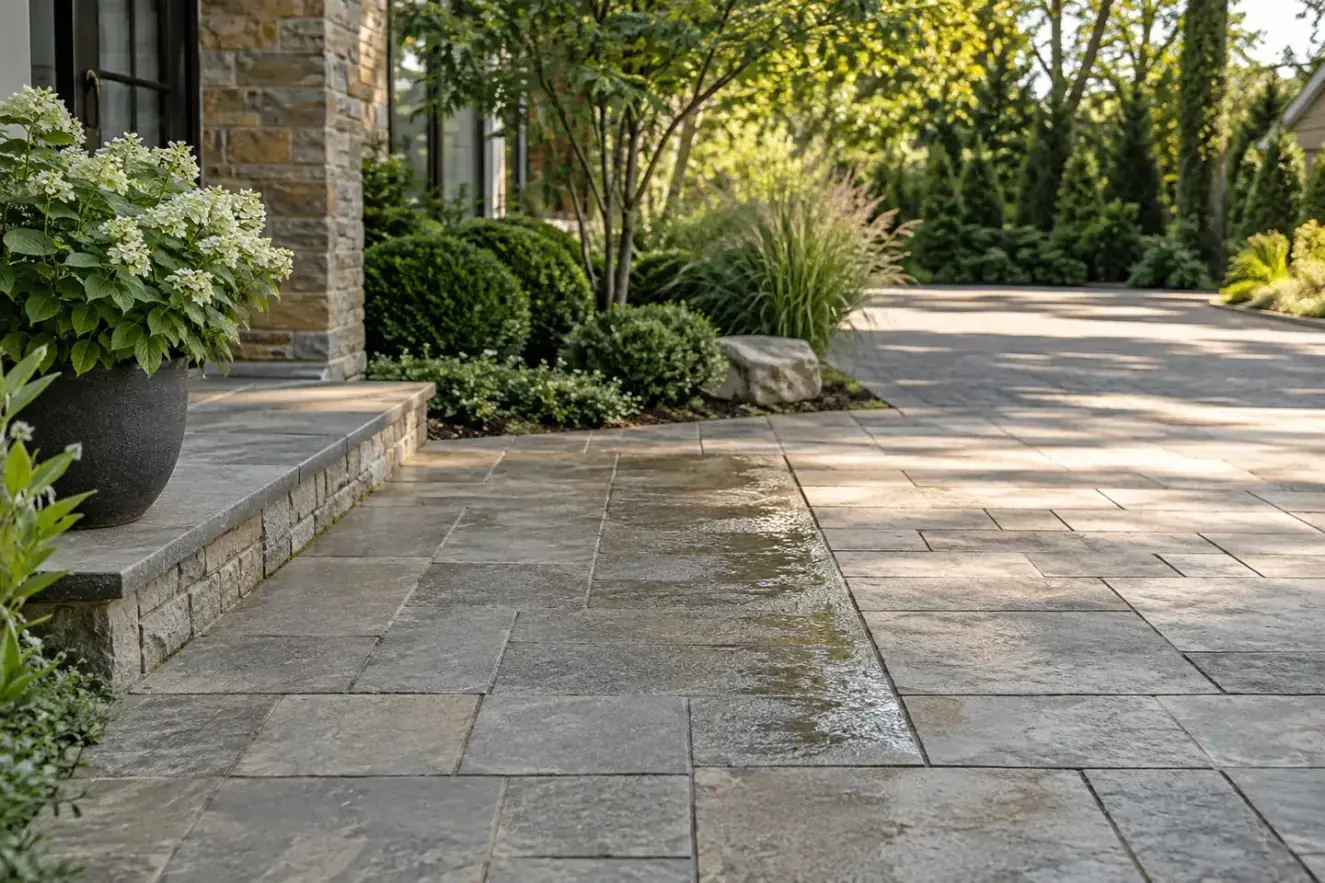
The right patio cleaner depends on what the patio is made of and what's on it. Grill grease, drink spills, and gray-black grime on patio pavers and concrete pavers lift with a diluted alkaline paver concentrate. Dark grime, moss, and leaf stains on garden paths need a garden paver cleaner kept wet so it has time to work. Granite, sandstone, and slate patios and steps darkened by years of weather need a deeper restoring formula, and oil on concrete driveways and parking pads needs a heavy-duty alkaline cleaner used straight. CleenU matches four outdoor concentrates to the surface and stain and makes private-label and OEM/ODM patio cleaners for brands, distributors, and online sellers.
Tune alkalinity and dilution to the surface and stain
Samples are usually ready in 3–5 days
Concentrates, large outdoor packs, and label language
Private-label patio cleaners from 500 bottles
For grill grease, mud, and gray-black grime on patio pavers, concrete pavers, and pool decks, wet the surface, apply the patio paver cleaner at 1:5 (1:2 for heavy soil), wait 10 minutes, scrub with a push broom, and rinse along the joints. For dark grime, moss, and leaf stains on garden paths and pavers, pre-wet, pour on the garden paver cleaner at 1:5, keep it wet 10–15 minutes, scrub with a stiff brush, and rinse. For weathered granite, sandstone, and slate patios and steps, apply the outdoor stone restorer at 1:3 (straight for heavy soil), keep it wet 15–20 minutes, scrub, rinse, and judge the result after 24 hours of drying. For driveway oil, blot the excess, apply the patio and driveway cleaner straight for 15–30 minutes, scrub, and rinse, repeating 2–3 times on old stains. Protect lawns, plants, and water, spot-test marble and limestone, and never use the heavy-duty cleaner on asphalt.
Grill grease, drink spills, and gray-black grime: the Patio Paver Cleaner at 1:5 for 10 minutes, then push-broom and rinse.
Dark grime, moss, and leaf stains on shady paths: pour on the Garden Paver Cleaner and keep it wet 10–15 minutes before scrubbing.
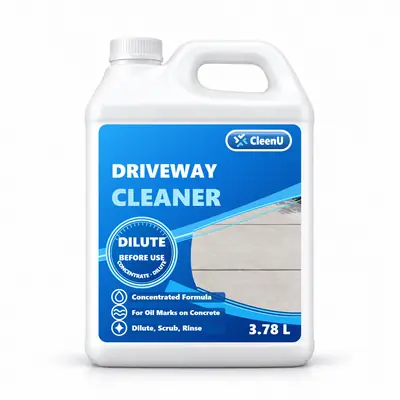
Motor oil and tire marks: the Patio & Driveway Cleaner straight for 15–30 minutes, then scrub and rinse.
Weathered granite, sandstone, and slate: the Outdoor Stone Cleaner & Restorer at 1:3 for 15–20 minutes, then scrub.
Spot-test natural stone, coated, and wood surfaces in a hidden area first.
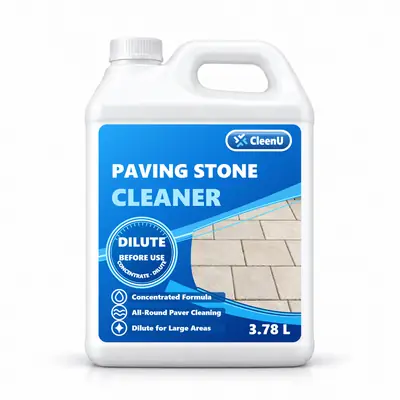
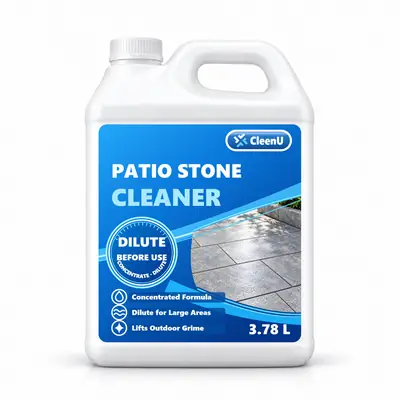
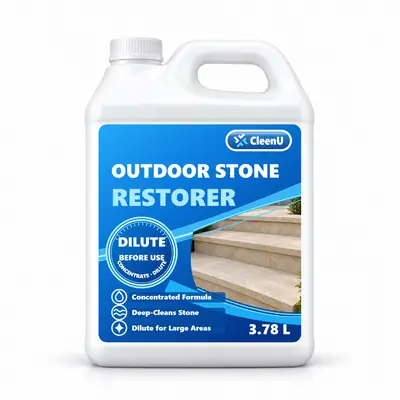
Tell us what you are cleaning, the surface, and how you clean it, and we will point you to the right product or formula.
Get Product AdviceWe tune alkalinity, dilution, and dwell time separately for each surface and stain.
Free samples are usually ready in 3–5 days, then tuned for cleaning, scrubbing passes, and scent based on your outdoor tests.
Concentrates, large outdoor packs, label design and language, and seasonal outdoor cleaning kits.
Each formula keeps batch retention samples and a COA, so color, scent, and feel stay consistent on reorders.
Four common outdoor paving jobs, compared by product, pH, foam, and method. Pavers and paths take an alkaline concentrate at 1:5; weathered natural stone takes a 1:3 restoring mix with a longer dwell; driveway oil takes a heavy-duty concentrate used straight. The tougher the soil, the less water and the longer the dwell.
| Cleaning Job | Where | Strength | Foam | Method |
|---|---|---|---|---|
| Patio Pavers | Patio and concrete pavers | Alkaline, pH 10.0–11.5 | Medium | 1:5 for 10 minutes, push-broom and rinse |
| Garden Paths | Garden paths and patio slabs | Alkaline, pH 9.5–11.0 | Medium | Pour on at 1:5, keep wet 10–15 minutes, scrub |
| Stone Restoring | Granite, sandstone, and slate | Alkaline, pH 9.5–11.0 | Low | 1:3 for 15–20 minutes, then scrub and rinse |
| Driveways & Garages | Concrete driveways and parking pads | Heavy-duty alkaline, pH 11.0–12.5 | Low | Straight on oil for 15–30 minutes, then scrub |
Sweep off leaves and grit, and cover or wet the surrounding lawn and plants.
Pre-wet the paving and spot-test natural stone in a hidden area.
Dilute for the surface and keep it wet while it dwells; never let it dry in strong sun.
Scrub and rinse along the joints, check after 24 hours of drying, and repeat if needed.
Common questions about how to use it, which surfaces are safe, and private-label orders.
Sweep off leaves and grit, wet the pavers, pour on the patio paver cleaner at 1:5 (1:2 for heavy soil), wait 10 minutes, scrub with a push broom, and rinse along the joints. For shady paths with moss, pour on the garden paver cleaner and keep it wet 10–15 minutes before scrubbing.
Blot fresh oil with an absorbent or cat litter, pour the patio and driveway cleaner straight onto the stain, wait 15–30 minutes, scrub with a stiff brush, and rinse; repeat 2–3 times on old stains. Don't use it on asphalt, and poultice oil in natural stone pavers with the stone oil stain remover instead.
Pre-wet granite, sandstone, or slate patios and steps, cover them with the outdoor stone restorer at 1:3 (straight for heavy soil), keep it wet 15–20 minutes, scrub, rinse, and judge the result after 24 hours of drying. It's acid-free, but spot-test limestone first.
Wet or cover nearby plants with water before you start, and keep rinse water from running onto lawns and flower beds. Near pools and ponds, don't let rinse water run into the water.
Yes, to rinse after scrubbing, but turn the pressure down on old joints and sandstone so you don't blast out the joint sand or damage the stone surface.
Usually once in spring and once in fall; shady, damp patios, frequent grilling, or heavy leaf fall may need more.
Settle four things: pavers, paths, stone restoring, or driveway oil; dilution and pack sizes; whether to build a seasonal kit; and your target market and label language. Then we'll arrange free samples, usually ready in 3–5 days.
We provide SDS/MSDS, TDS, and batch COA, and prepare warning statements and label copy for your target market. These documents aren't posted for download; we send them on request after you inquire.
Standard projects start at 500 bottles. Free samples are usually ready in 3–5 days, and production is scheduled after packaging and labels are approved. Outdoor products are seasonal, so confirm samples 1–2 months before peak season.
Patio and driveway cleaning comes down to matching dilution to surface and stain: an alkaline concentrate at 1:5 for pavers and paths, a 1:3 restoring mix with a longer dwell for weathered natural stone, and a heavy-duty concentrate used straight for driveway oil. Pre-wet, dilute, rinse, protect plants and water, and keep strong alkali off asphalt. If you're building an outdoor paving line, CleenU can start from these four formulas, with free samples first and a 500-bottle MOQ.
Tell us your target market, surface types, and packaging ideas. Free samples are usually ready in 3–5 days.