Formula Tuning
Tune formulas for efflorescence, graffiti, and protection

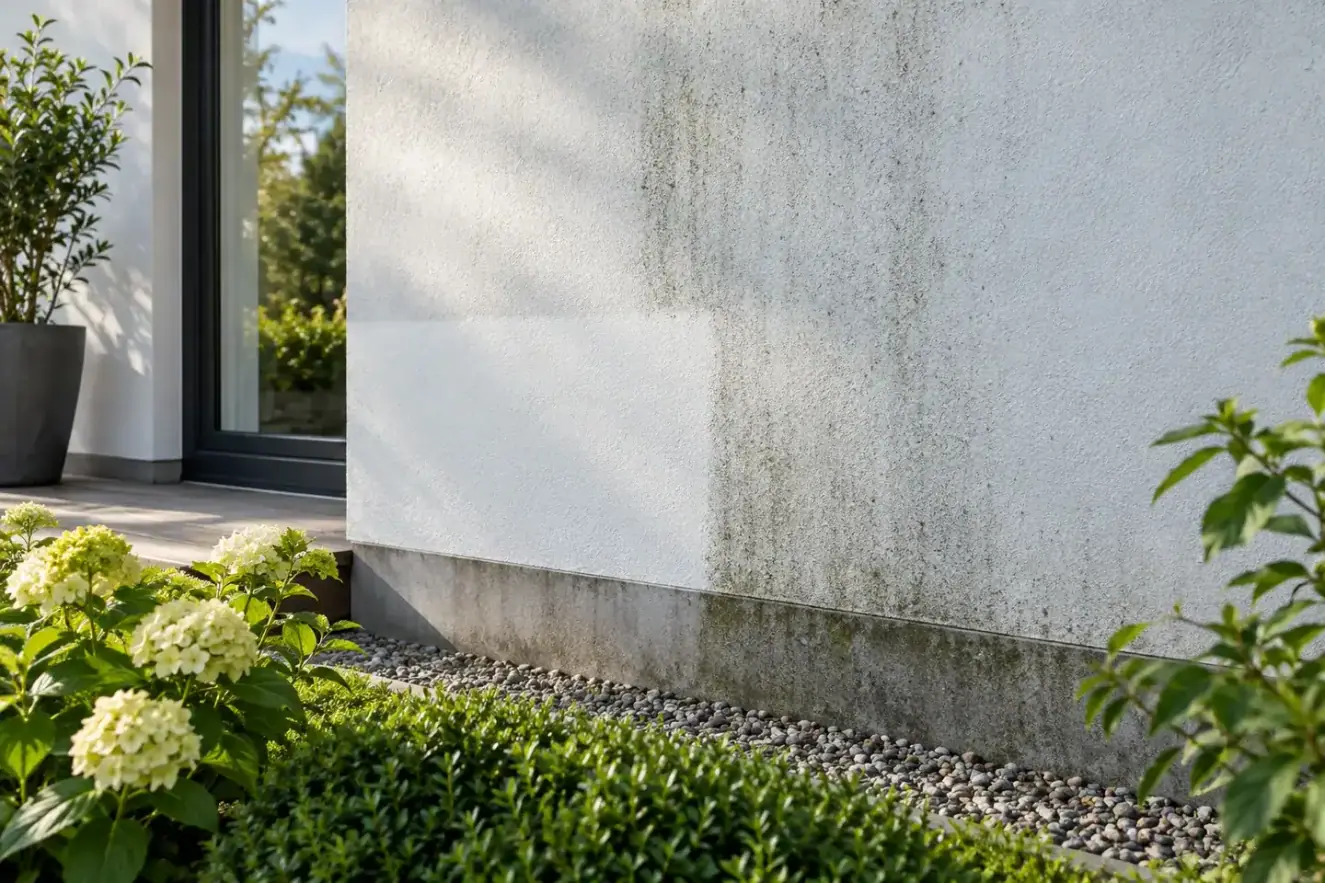
The right exterior wall cleaner depends on what's on the wall. White powder on brick and concrete is efflorescence, salts carried out of the masonry by water, and it takes an acidic remover to dissolve. Spray paint and marker need a solvent gel to soften the paint. Cement haze on tile and acid-resistant stone after building work takes an acidic post-construction cleaner. Cleaning is only step one: efflorescence and dark staining both come from the wall soaking up water, so once it's dry, a penetrating sealer is what keeps them from coming back. CleenU matches cleaning and protection products to the problem and makes private-label and OEM/ODM wall cleaners and sealers for building-material channels, distributors, and online sellers.
Tune formulas for efflorescence, graffiti, and protection
Samples are usually ready in 3–5 days
Clean-and-seal kits, bottle size, and label language
Private-label wall cleaners and sealers from 500 bottles
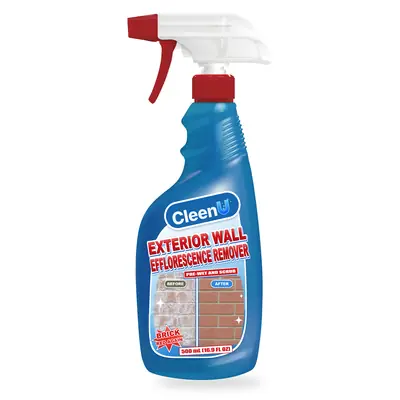
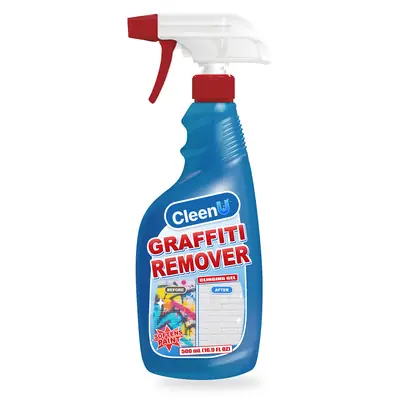
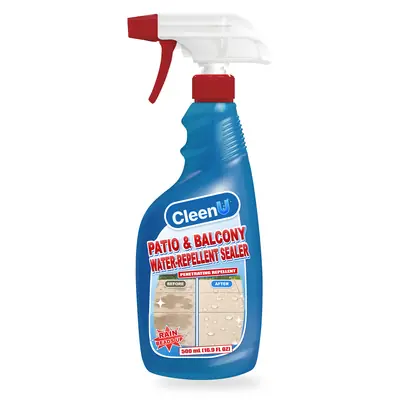
For white efflorescence, salt deposits, and cement runs on brick, face brick, concrete, and stone masonry walls, pre-wet the wall, apply the exterior wall efflorescence remover straight or diluted 1:3, wait 5 minutes, scrub, and rinse. For spray paint and marker on brick, concrete, metal doors, and roller shutters, spray the graffiti remover gel, wait 5–10 minutes until the paint softens, scrub or wipe it off, and rinse with water or a pressure washer. Once patio pavers, balcony tile, concrete, sandstone, and brick walls are clean and have dried 24–48 hours, apply two coats of the penetrating patio and balcony sealer, which cures in 24 hours and cuts water uptake, efflorescence, and darkening. Keep acids off marble, limestone, and sandstone; spot-test the graffiti remover on painted surfaces, plastic, and car paint; and don't seal polished stone, glazed tile, or coated surfaces.
White efflorescence, salt deposits, and cement runs: pre-wet, apply the Exterior Wall Efflorescence Remover for 5 minutes, scrub, and rinse.
Spray paint on brick, metal doors, and shutters: apply the Graffiti Remover for 5–10 minutes, then brush off and rinse.
After cleaning and 24–48 hours of drying, apply two coats of the Patio & Balcony Water-Repellent Sealer to cut water uptake and darkening.
Efflorescence on brick and stone masonry takes the efflorescence remover; use neutral products on sandstone and limestone, and seal once dry.
Spot-test natural stone, coated, and wood surfaces in a hidden area first.
Tell us what you are cleaning, the surface, and how you clean it, and we will point you to the right product or formula.
Get Product AdviceWe tune formulas and application separately for efflorescence, graffiti, cement residue, and protection.
Free samples are usually ready in 3–5 days, then tuned for removal, working time, and protection based on your site tests.
Pack sizes, warning statements, label language, and clean-and-seal bundles.
Each formula keeps batch retention samples and a COA, so color, scent, and feel stay consistent on reorders.
Four common exterior wall and outdoor surface problems, compared by product, pH, foam, and method. Efflorescence and cement residue dissolve with acidic formulas, graffiti softens with a solvent gel, and a penetrating sealer goes on last, over dry, absorbent surfaces. Clean, dry, then seal, never the other way around.
| Cleaning Job | Where | Strength | Foam | Method |
|---|---|---|---|---|
| Efflorescence & Residue | Brick, concrete, and stone masonry walls | Acidic, pH 1.5–3.0 | Low | Pre-wet, 5 minutes, scrub, and rinse |
| Graffiti | Brick, concrete, metal doors, and shutters | Neutral solvent-based, pH 6.5–8.5 | None | 5–10 minutes to soften, then brush off and rinse |
| Sealing After Cleaning | Patios, balconies, concrete, and brick | Neutral, pH 6.0–8.0 | None | Two coats once dry, cured in 24 hours |
| Cement Haze on Tile | Tile, rustic tile, and acid-resistant stone | Acidic, pH 1.0–2.5 | Low | Wet first, 3–5 minutes, scrub, and rinse |
Tell efflorescence, graffiti, cement residue, and water-darkening apart before you pick a product.
Keep acids off marble, limestone, and sandstone, and test solvents on paint and plastic.
Scrub and rinse, then let the surface dry 24–48 hours.
After two coats and 24 hours of curing, drip water on it; if it beads, the sealer is working.
Common questions about how to use it, which surfaces are safe, and private-label orders.
The white bloom is efflorescence. Pre-wet the wall, apply the exterior wall efflorescence remover straight or diluted 1:3, wait 5 minutes, scrub with a stiff brush, and rinse. Once the wall has dried 24–48 hours, apply a penetrating sealer to cut down on rain soaking in and carrying salts out. Don't use it on marble, limestone, or sandstone.
Spray the graffiti remover on the paint, wait 5–10 minutes until it softens, scrub or wipe it off, and rinse with water or a pressure washer. Spot-test painted surfaces, plastic, and car paint first; ventilate and keep away from open flames.
Clean patio pavers, balcony tile, concrete, or brick and let them dry 24–48 hours, then apply two coats of the patio and balcony water-repellent sealer and let it cure 24 hours. Water then beads on the surface, cutting water uptake, efflorescence, and darkening. It doesn't change color, form a film, or make surfaces slippery; it's not for polished stone or glazed tile.
It forms when water carries salts out of the masonry, so it can return as long as the wall keeps soaking up water. Sealing with a penetrating sealer once dry reduces recurrence; if the wall is leaking, fix the waterproofing first.
No. It's a penetrating formula that works inside the pores, forms no surface film, doesn't change the color, and doesn't make floors slippery.
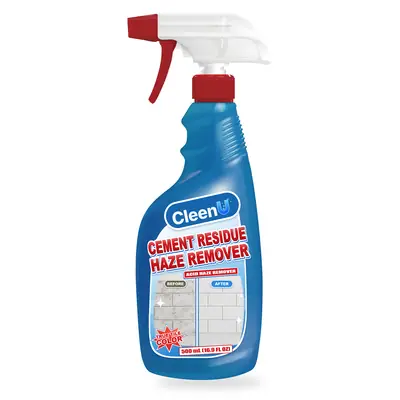
For cement haze on tile and acid-resistant stone after renovation, use the cement residue haze remover: wet the grout, apply straight or diluted 1:3, wait 3–5 minutes, scrub, and rinse thoroughly. Never use it on marble or other calcium-based stone.
Settle four things: efflorescence, graffiti, sealing, or a clean-and-seal kit; the target channel; pack sizes; and your target market's labeling and warning requirements. Then we'll arrange free samples, usually ready in 3–5 days.
We provide SDS/MSDS, TDS, and batch COA, and prepare warning statements and label copy for your target market. These documents aren't posted for download; we send them on request after you inquire.
Standard projects start at 500 bottles. Free samples are usually ready in 3–5 days, and production is scheduled after packaging and labels are approved.
Exterior walls and outdoor surfaces come down to clean, dry, then seal: scrub efflorescence off with an acidic remover and rinse, soften graffiti with a solvent gel and brush it off, clear cement haze from new tile with a post-construction cleaner, then let absorbent surfaces dry 24–48 hours and apply a penetrating sealer. Keep acids off marble and limestone, and test solvents on paint first. If you're building an exterior cleaning and protection line, CleenU can start from these four formulas, with free samples first and a 500-bottle MOQ.
Tell us your target market, wall types, and packaging ideas. Free samples are usually ready in 3–5 days.