Formula Tuning
Tune stone formulas for daily cleaning, oil, and rust

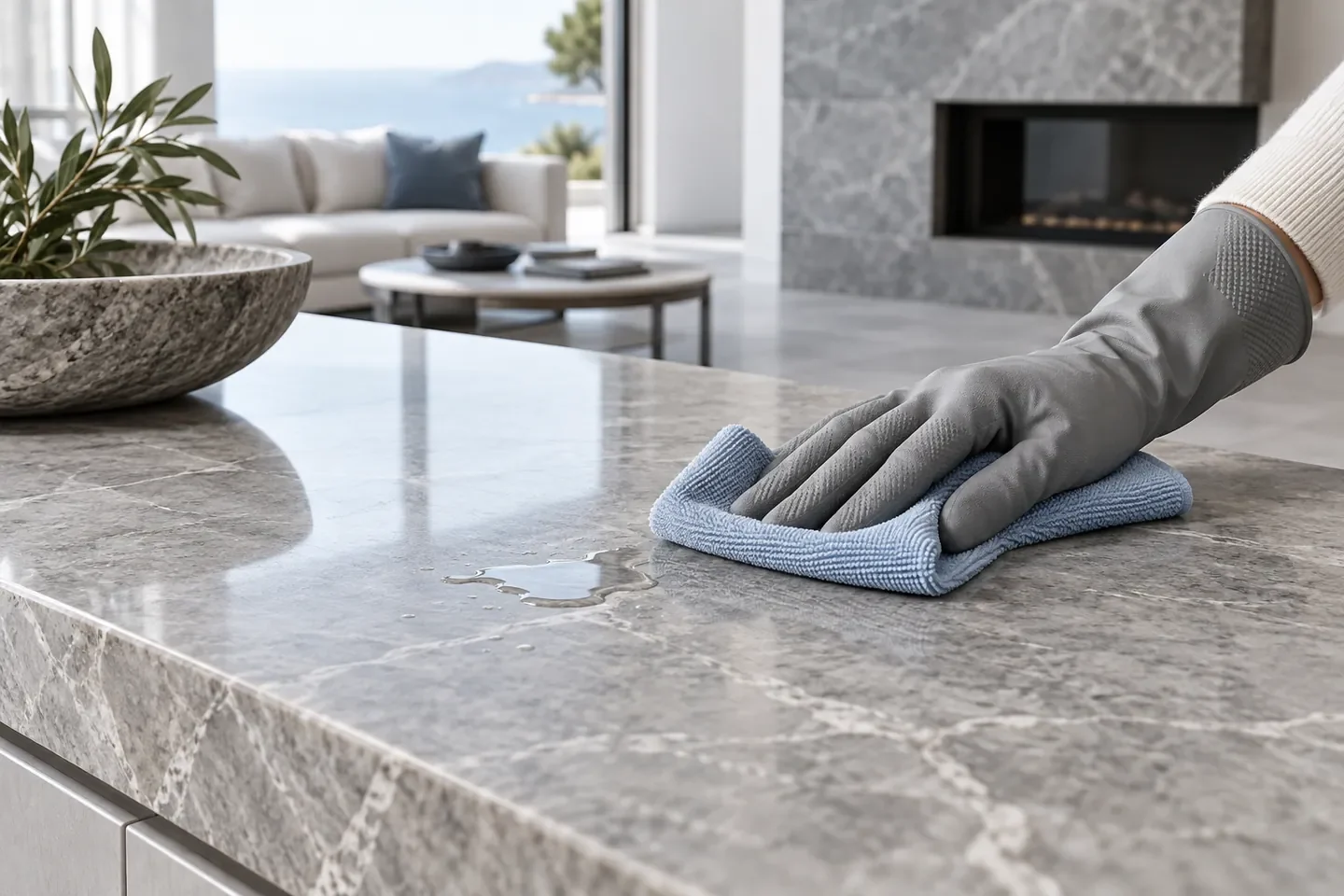
The first rule for a marble cleaner is that it must be neutral. Marble, travertine, and terrazzo contain calcium carbonate, so acids etch dull white marks into them, and strong alkali dulls the finish too. A neutral tile and stone cleaner handles everyday cleaning; the hard problems are oil and rust that have soaked into the stone's pores and won't wipe off, which need a remover that draws the oil out and one that converts the rust so it rinses away. CleenU matches three neutral stone products to the stain and makes private-label and OEM/ODM stone cleaners for brands, distributors, and online sellers.
Tune stone formulas for daily cleaning, oil, and rust
Samples are usually ready in 3–5 days
Spray bottles, absorbent powder, kits, and label language
Private-label stone cleaners from 500 bottles
For everyday cleaning of marble, granite, quartz, and terrazzo, spray counters with a neutral tile and stone cleaner and wipe with microfiber, or mop floors at 1:20 with no rinse. For cooking oil, motor oil, and cosmetic oil soaked into stone, spray fresh stains with an absorbent stone oil stain remover and blot after 15 minutes; for old stains, mix it with absorbent powder into a poultice, leave it 24 hours, and scrape off, repeating as needed. For yellow-brown rust stains, spray a neutral stone rust remover, wait 5–15 minutes until it turns purple, and rinse, repeating once or twice for heavy rust. Never use acidic cleaners on marble, keep the rust remover off metal, and never mix it with acidic or chlorine products.
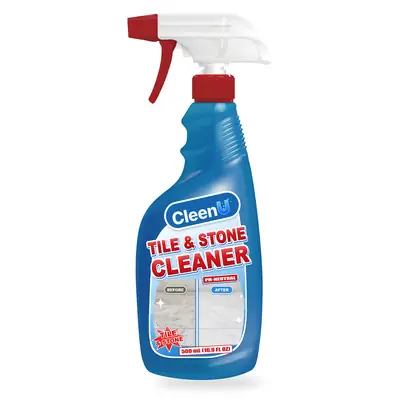
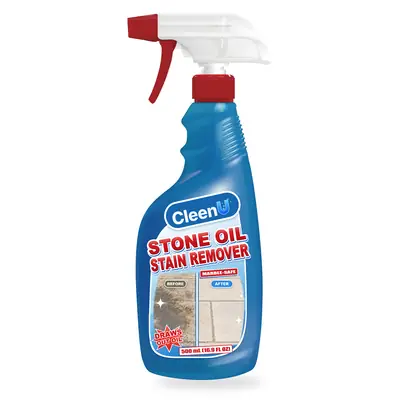
Everyday dust and water marks: spray and wipe with the Tile & Stone Cleaner; dark soaked-in oil: poultice with the Stone Oil Stain Remover.
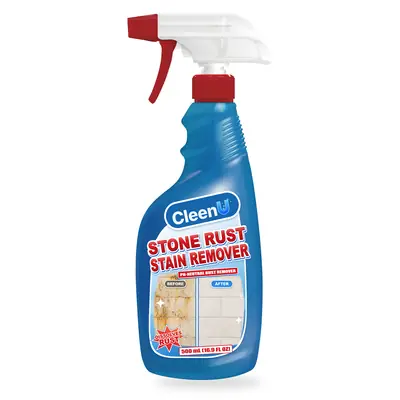
Mop daily at 1:20 with no rinse; rust rings under planters: spray the Stone Rust Stain Remover and rinse once purple.
Spot-treat oil marks and rust streaks with the oil remover and rust remover, then rinse and dry.
Rust and oil on outdoor stone and pavers work the same way; mask off metal fittings and plants.
Spot-test natural stone, coated, and wood surfaces in a hidden area first.
Tell us what you are cleaning, the surface, and how you clean it, and we will point you to the right product or formula.
Get Product AdviceAll three are tuned to stay neutral, balancing stain removal with stone sheen.
Free samples are usually ready in 3–5 days, then tuned for passes needed, working time, and odor based on your tests.
Spray pack sizes, absorbent powder, label design and language, and daily-plus-stain-removal kits.
Each formula keeps batch retention samples and a COA, so color, scent, and feel stay consistent on reorders.
Three common stone problems, compared by product, pH, foam, and method. All three are neutral and won't etch marble; the difference is how they work: the daily cleaner wipes off surface soil, the oil remover draws soaked-in oil out, and the rust remover converts iron so it rinses away.
| Cleaning Job | Where | Strength | Foam | Method |
|---|---|---|---|---|
| Daily Cleaning | Tile, marble, granite, and quartz | Neutral, pH 7.0–8.5 | Low | Spray and wipe counters, mop floors at 1:20 |
| Soaked-In Oil | Stone counters, floors, and pavers | Neutral, pH 6.5–8.0 | None | Spray for 15 minutes or poultice for 24 hours |
| Rust Stains | Stone, tile, concrete, and cladding | Neutral, pH 6.5–8.0 | None | Wait 5–15 minutes until purple, then rinse |
Tell everyday soil, dark oil, yellow-brown rust, and white acid marks apart.
Test in a hidden area to make sure sheen and color don't change.
Keep to the label's poultice or dwell time, and never mix with acidic or chlorine products.
Rinse and dry, check whether oil and rust have lightened, and repeat if needed.
Common questions about how to use it, which surfaces are safe, and private-label orders.
For fresh oil, spray the stone oil stain remover, wait 15 minutes, and blot with paper towels. For old, dark stains, mix the remover with absorbent powder into a paste, spread it over the stain, cover with plastic wrap, leave it 24 hours, and scrape off; repeat if it's lighter but not gone. Ventilate and keep away from flames.
Spray the stone rust stain remover, wait 5–15 minutes until the color turns purple, and rinse with water; repeat once or twice for heavy rust. It's neutral and won't etch marble, but it has an odor, so ventilate, and keep it off metal and car paint.
No. Marble, travertine, and terrazzo contain calcium carbonate, and acidic cleaners, descalers, and vinegar all eat into the surface and leave dull white marks. Use only neutral products on stone.
They're usually acid etching, meaning the surface itself has been corroded. Cleaners can't remove it; it needs professional honing and polishing.
For everyday cleaning, spray and wipe with the neutral tile and stone cleaner, and skip steel wool and strong acids or alkali.
Dilute the tile and stone cleaner 1:20 (50 mL in 1 L of water) and mop with a well-wrung mop. There's no rinse, and it won't dull the stone.
Settle four things: daily cleaner, oil remover, rust remover, or a kit; whether to include absorbent powder; pack sizes; and your target market and label language. Then we'll arrange free samples, usually ready in 3–5 days.
We provide SDS/MSDS, TDS, and batch COA, and prepare warning statements and label copy for your target market. These documents aren't posted for download; we send them on request after you inquire.
Standard projects start at 500 bottles. Free samples are usually ready in 3–5 days, and production is scheduled after packaging and labels are approved.
Stone care comes down to staying neutral and treating the right problem: a neutral tile and stone cleaner for everyday wiping or mopping at 1:20, an absorbent remover sprayed or poulticed for soaked-in oil, and a neutral rust remover that turns purple before you rinse it off. Never use acid on marble, and send etch marks to a professional. If you're building a stone care line, CleenU can start from these three formulas, with free samples first and a 500-bottle MOQ.
Tell us your target market, stone types, and packaging ideas. Free samples are usually ready in 3–5 days.