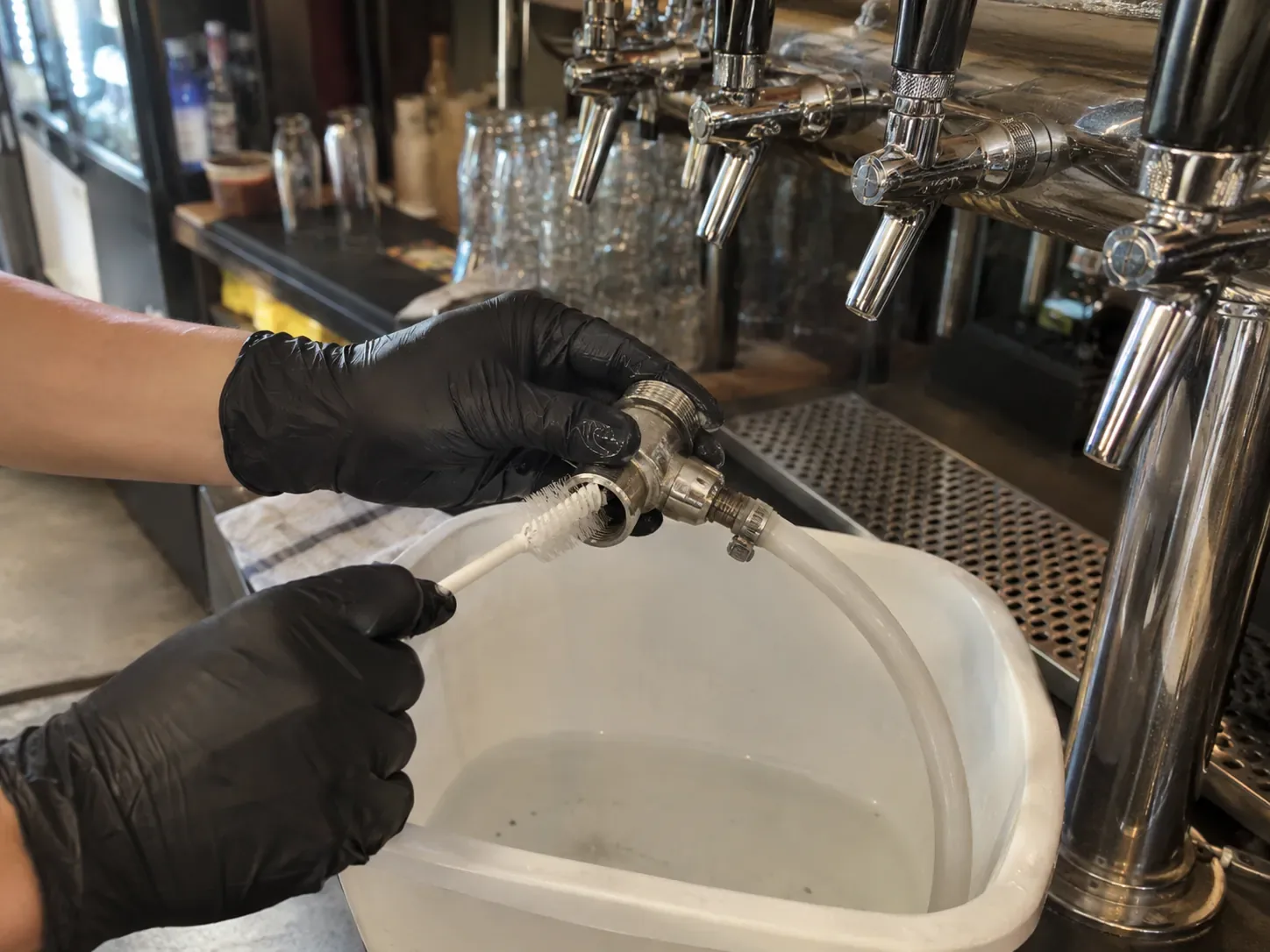
Beer lines & taps
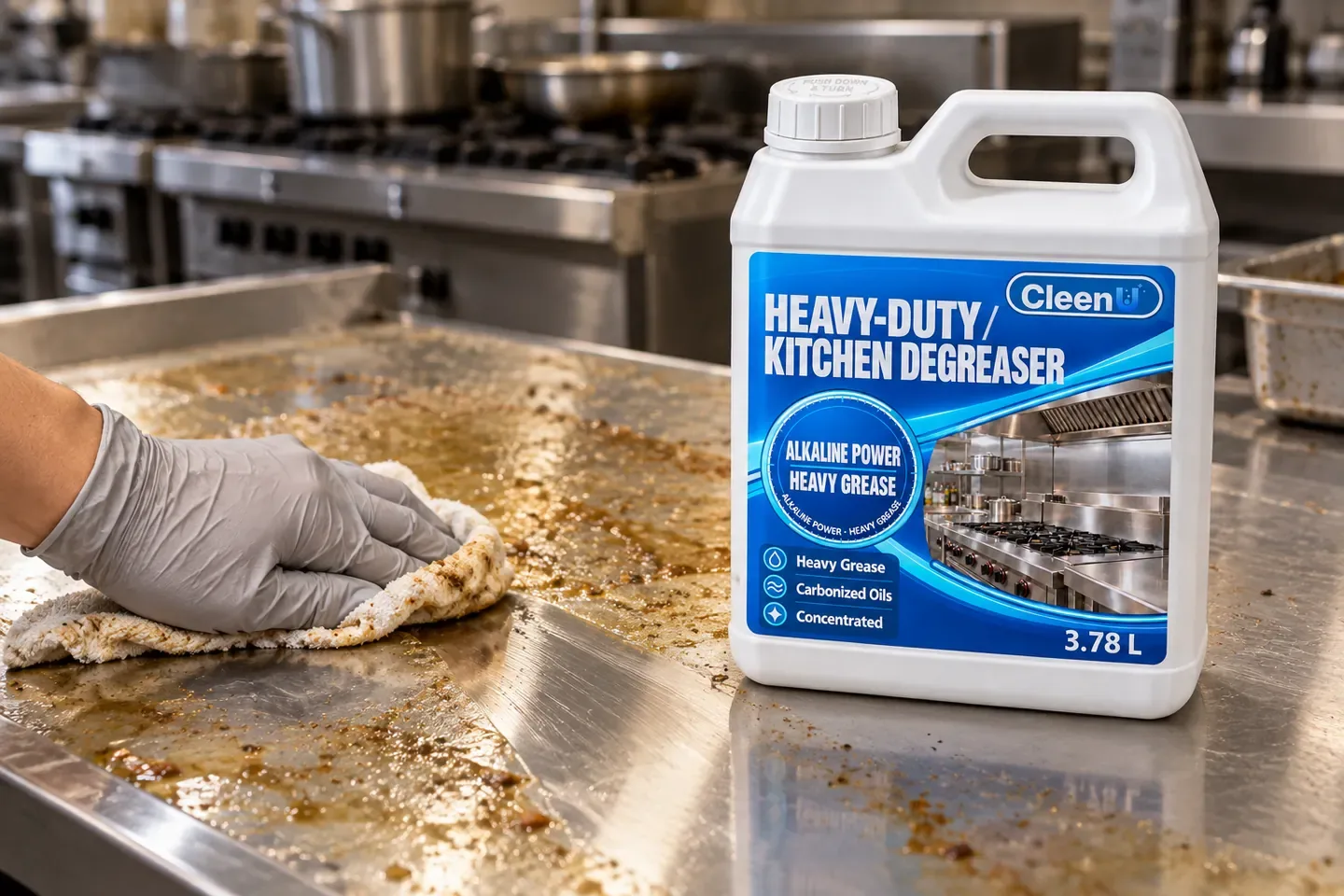
A strong alkaline product used at 2%; wear gloves and eye protection and keep off aluminum.

Commercial & Public Space Cleaning
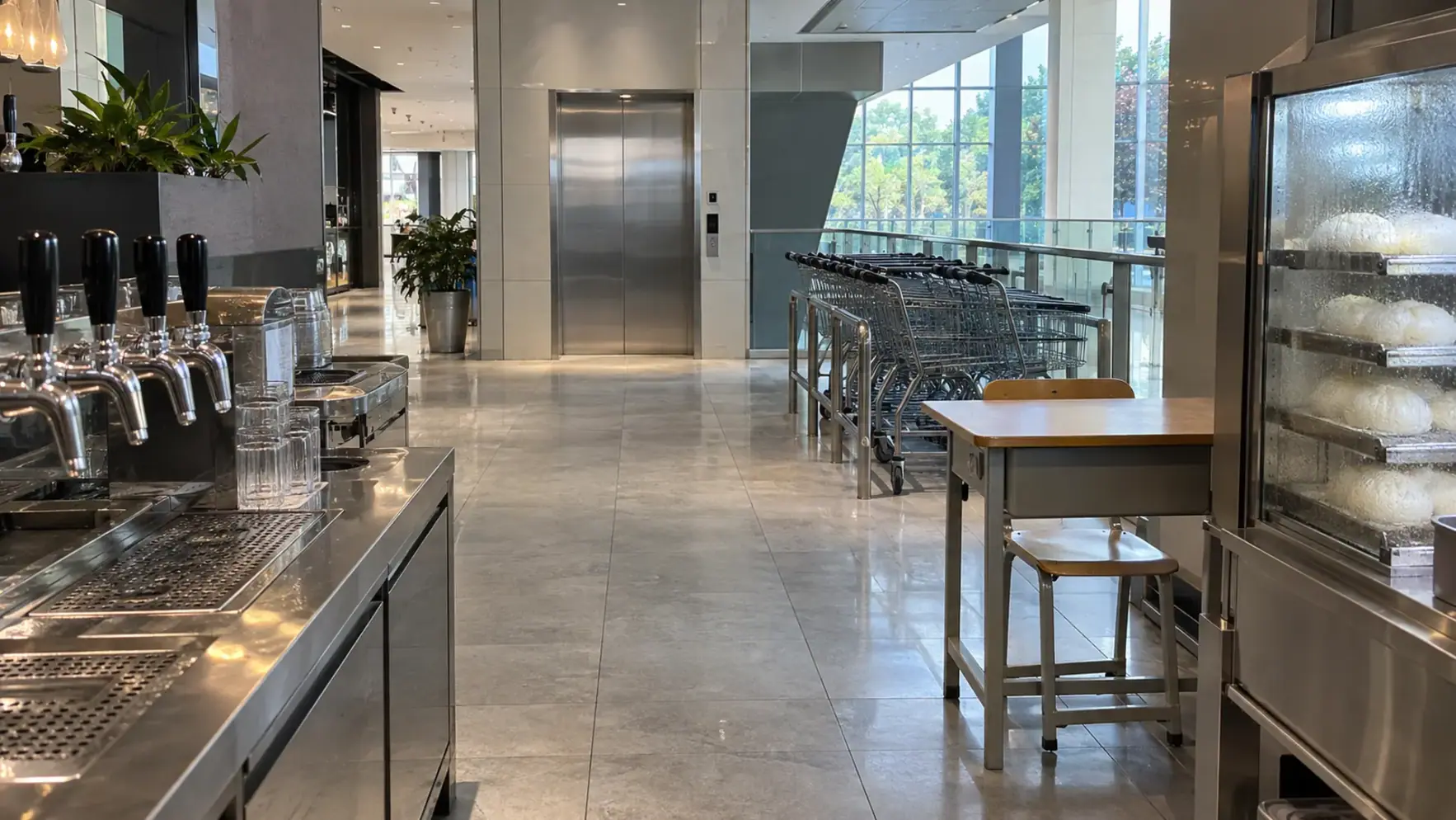
Bar beer lines, commercial steam cabinets and boilers, along with elevator buttons, shopping carts, school desks, gum and pool and spa facilities, each carry different soil and risk. Browse by venue and equipment, and keep acid and alkaline products separate.
Explore commercial cleaning products Find products by venue and equipmentOne VenueDifferent Cleaning Tasks
Commercial & Public Space Cleaning
Start with the venue, equipment and material. Lines, steam cabinets and boilers in back-of-house and bar equipment use dedicated strong alkaline or acidic products with protective equipment; public touchpoints are cleaned only and not disinfected; acids and alkalis are never mixed, and aluminum is confirmed first.
CleenU Commercial & Public Space Cleaning organizes cleaning and descaling products across nine venue and equipment scenarios for janitorial teams, foodservice operations, equipment service companies and buyers.
Full cleaning solutions
Venues & equipment
Choose beer lines, steam cabinets, boilers, shopping carts, elevators, gum, school desks or pool and spa facilities to see relevant cleaning and descaling products.
Beer lines & tapsYeast, protein deposits and beerstoneView products 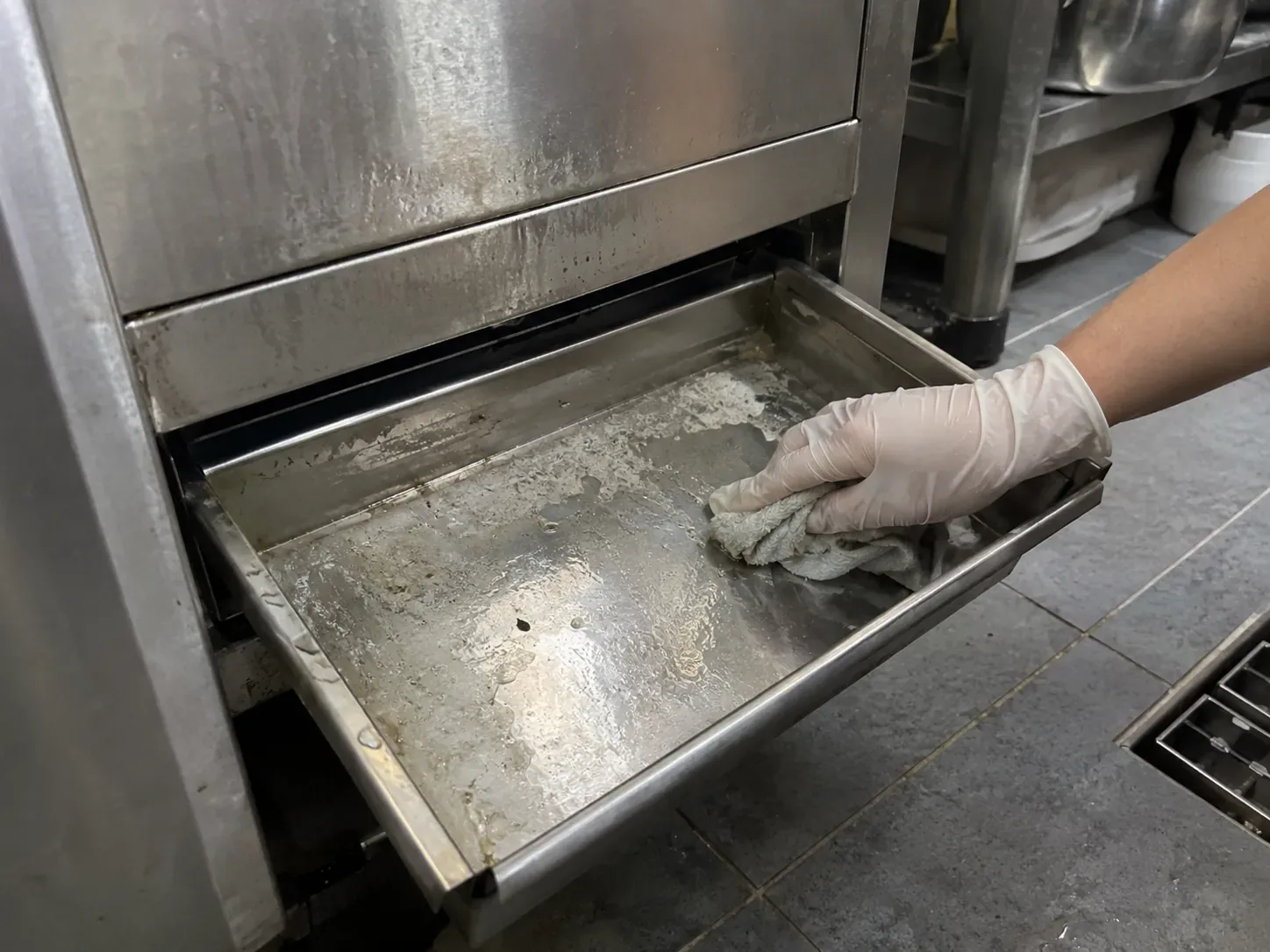 Commercial steam cabinets & combi ovensScale in reservoirs, elements and steam linesView products
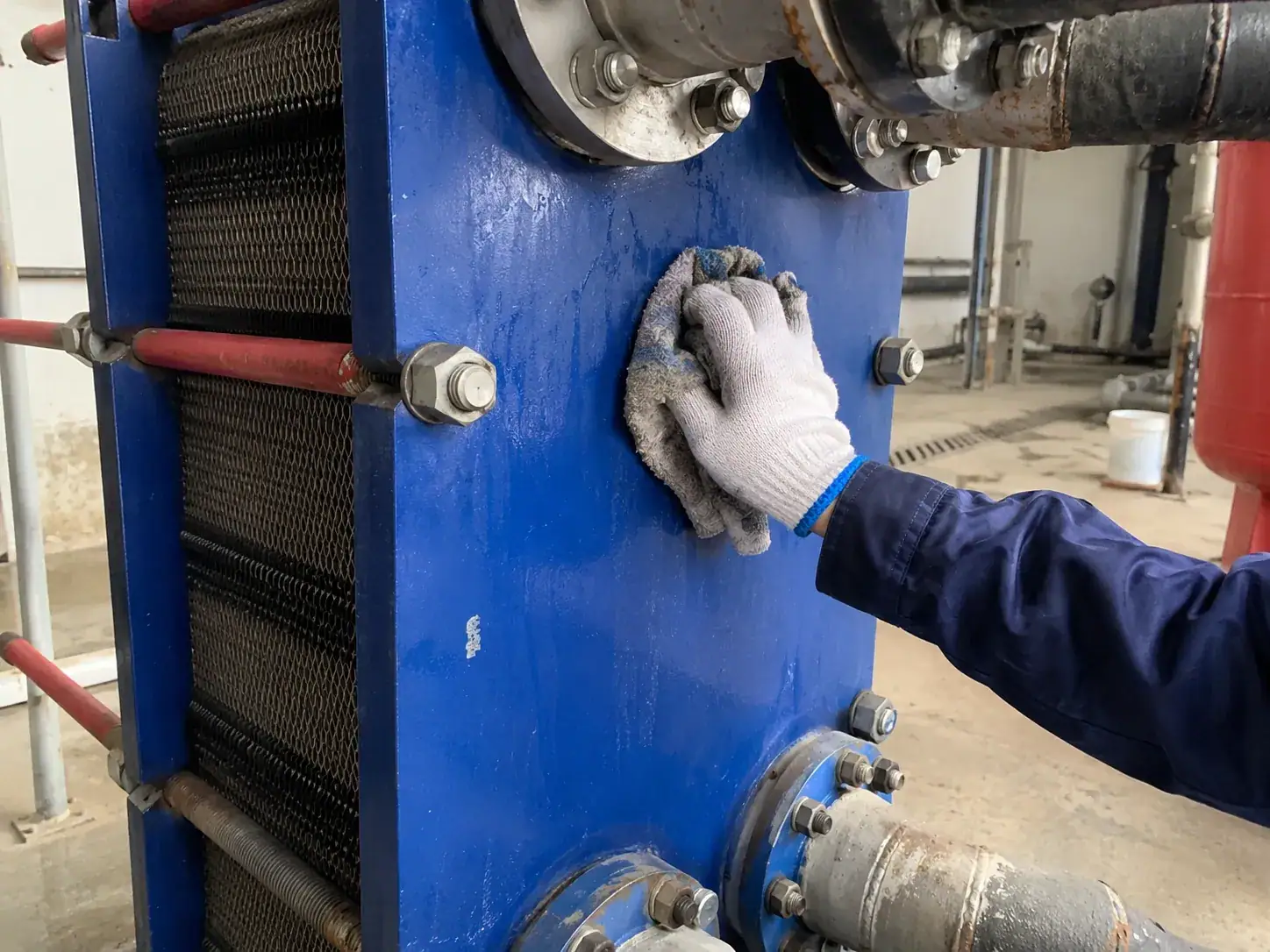 Boilers & heat exchangersMineral deposits in heat-transfer equipmentView products
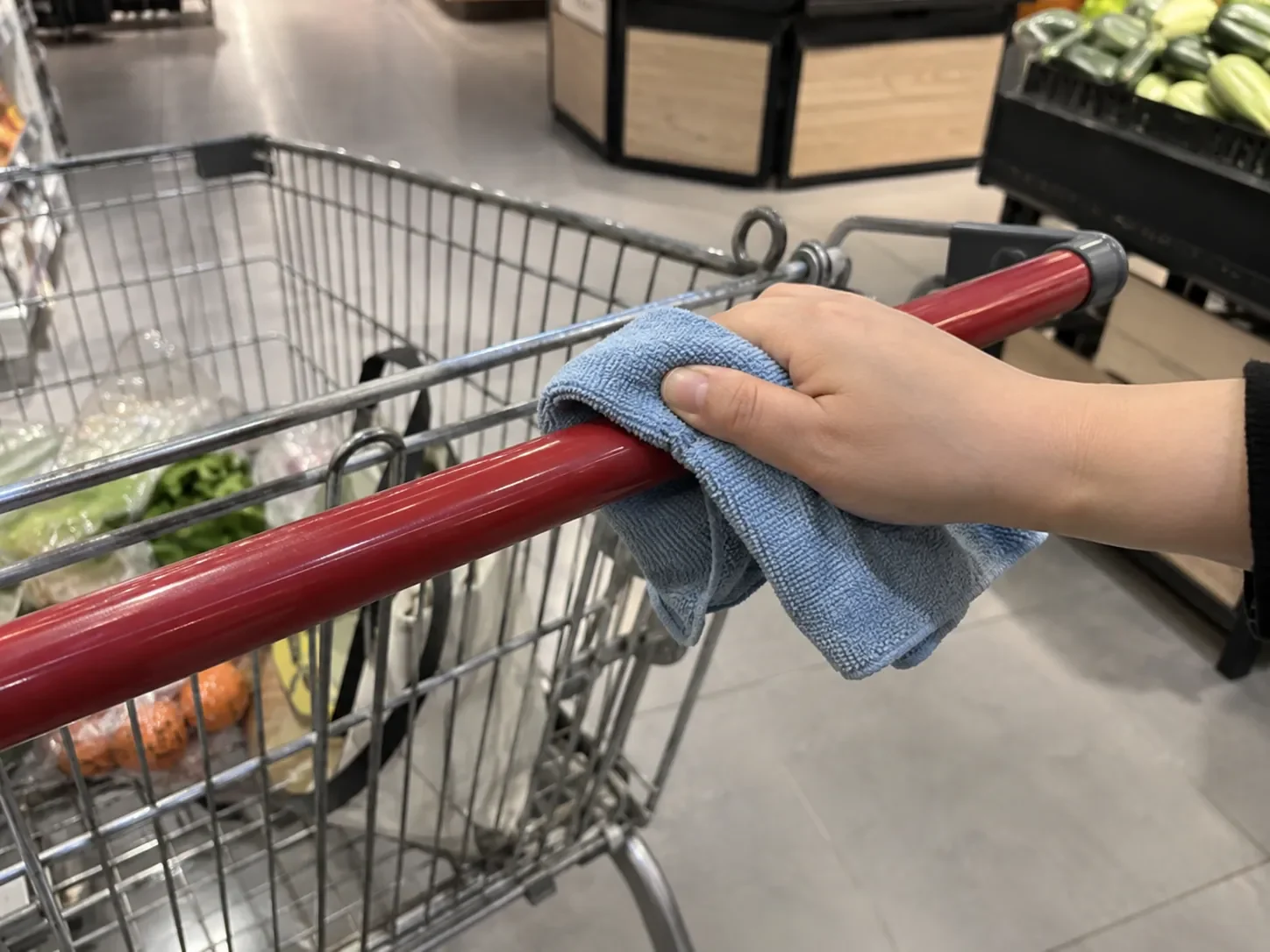 Shopping carts & trolleysHand sweat and food residue on handlesView products
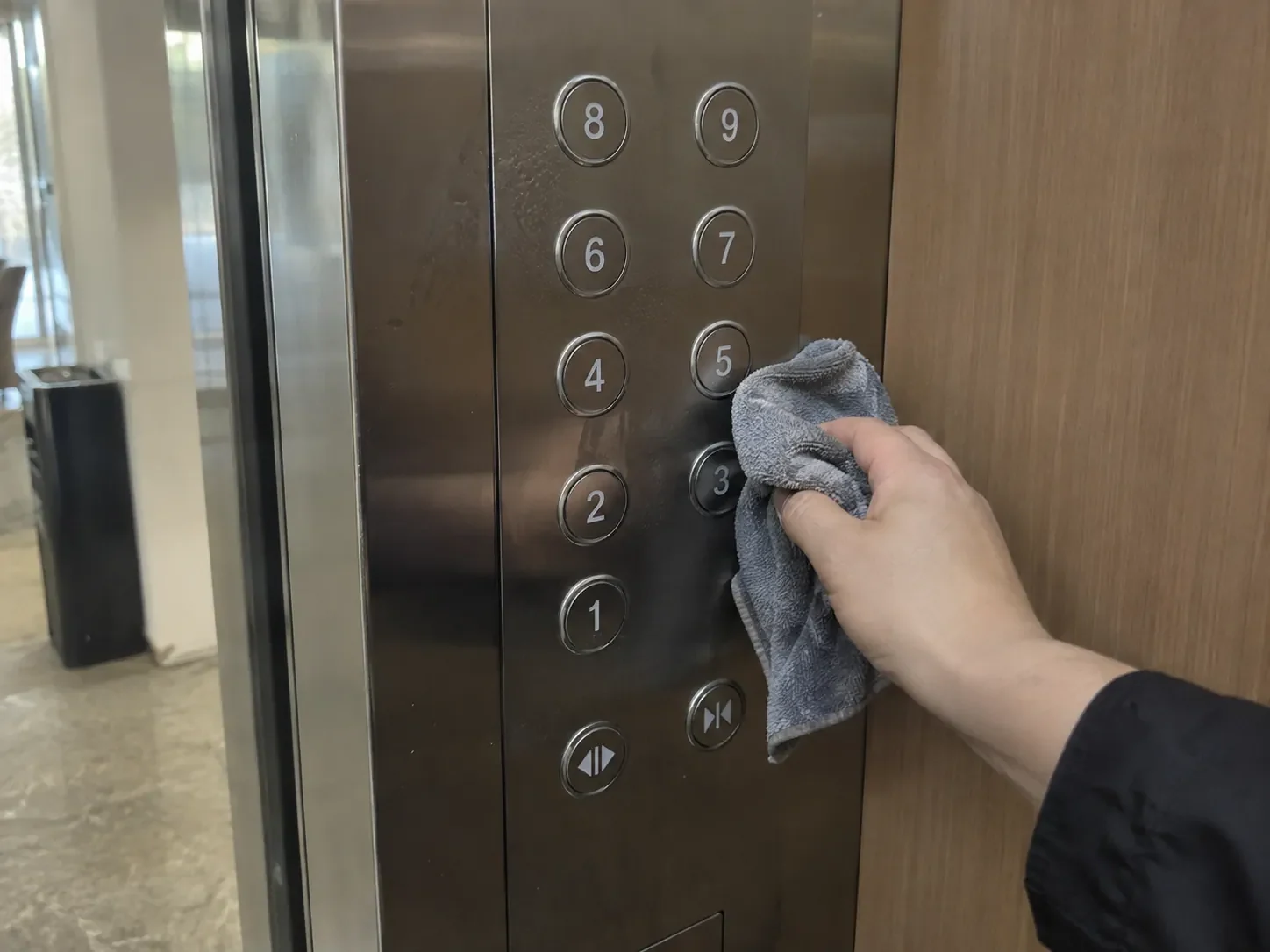 Elevator buttons & handrailsFingerprints, skin oil and dustView products
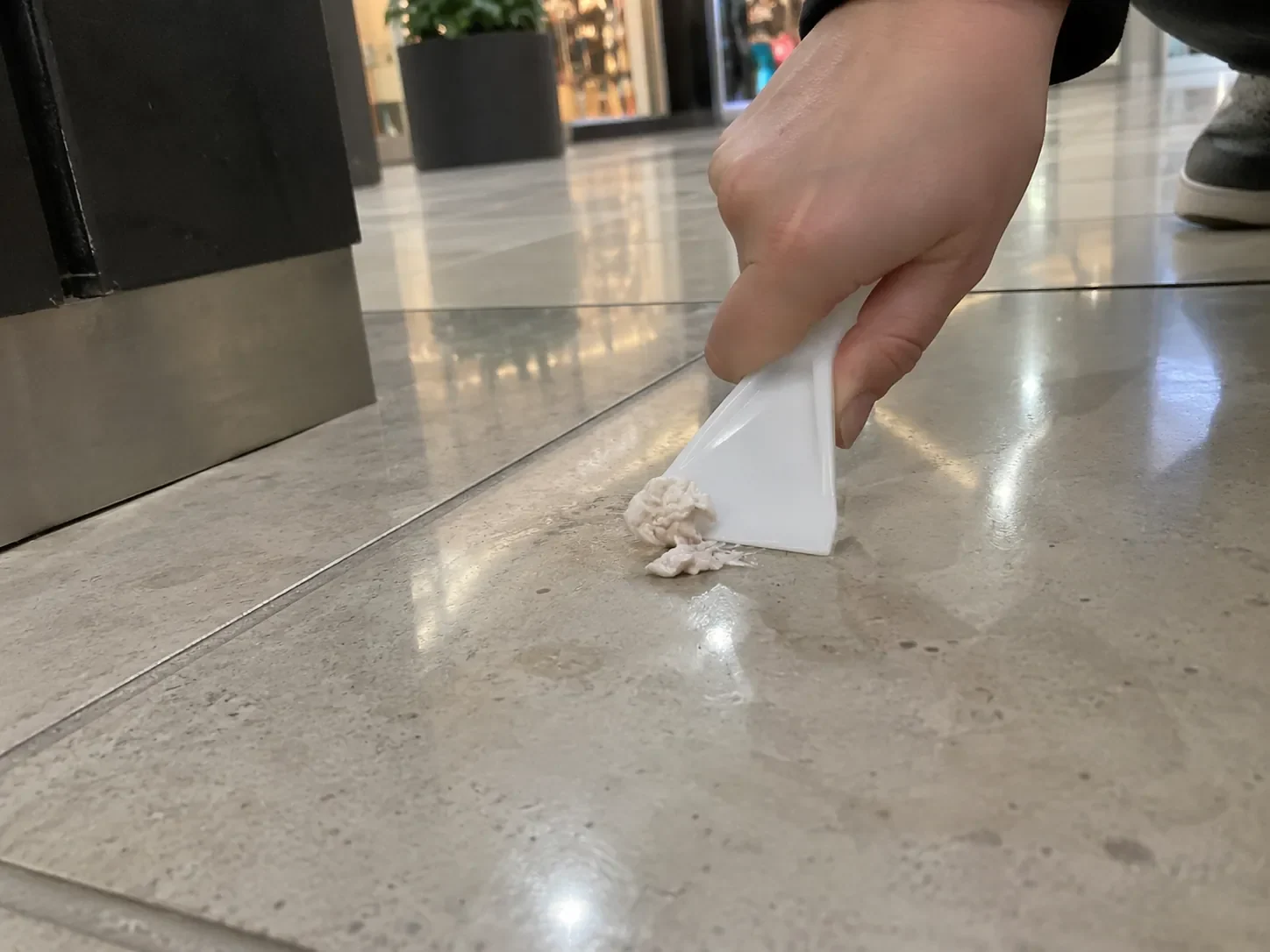 Gum on floors, carpet & seatsStuck gum and leftover marksView products
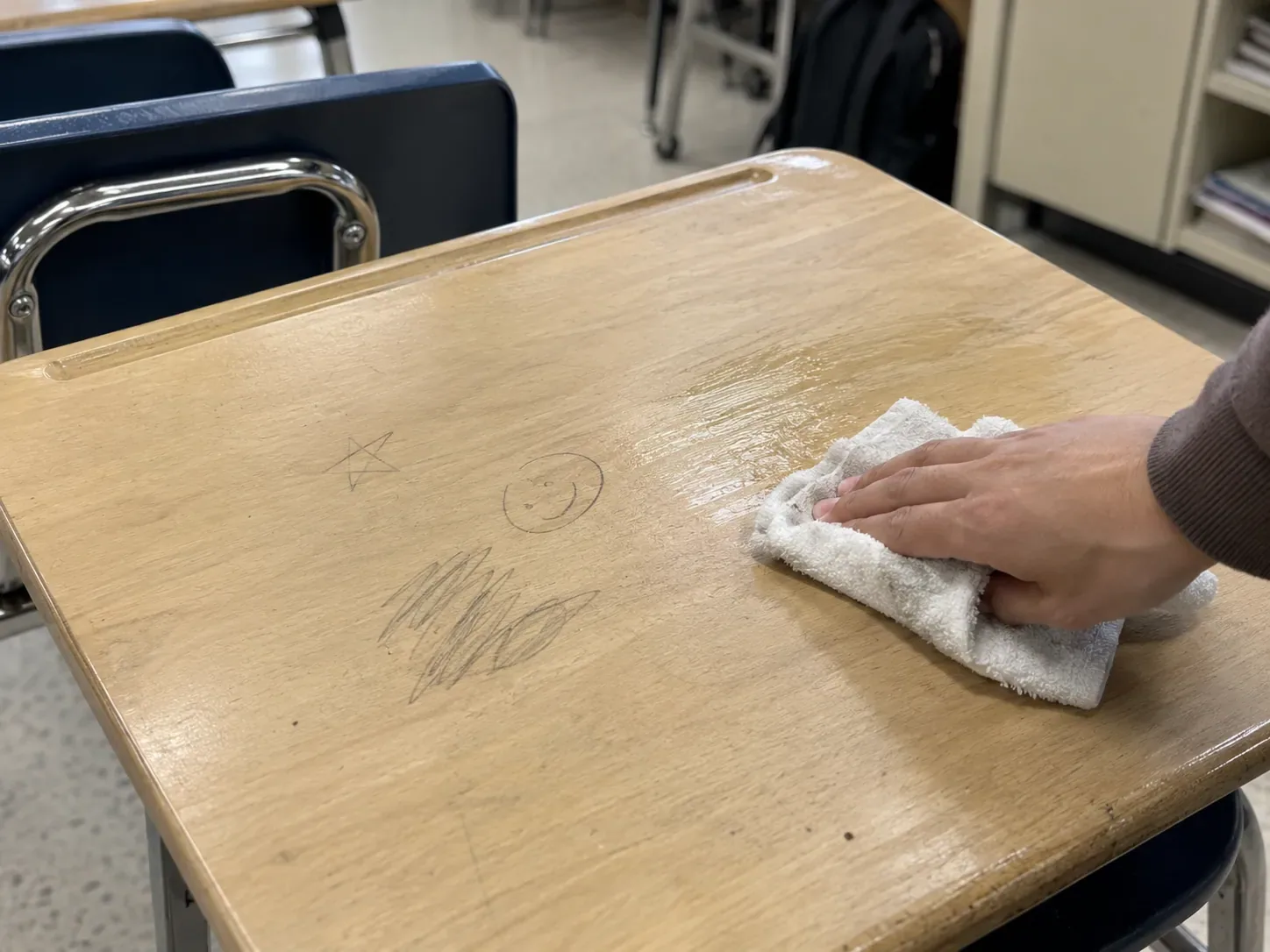 School & office desksPencil, ballpoint and marker doodlesView products
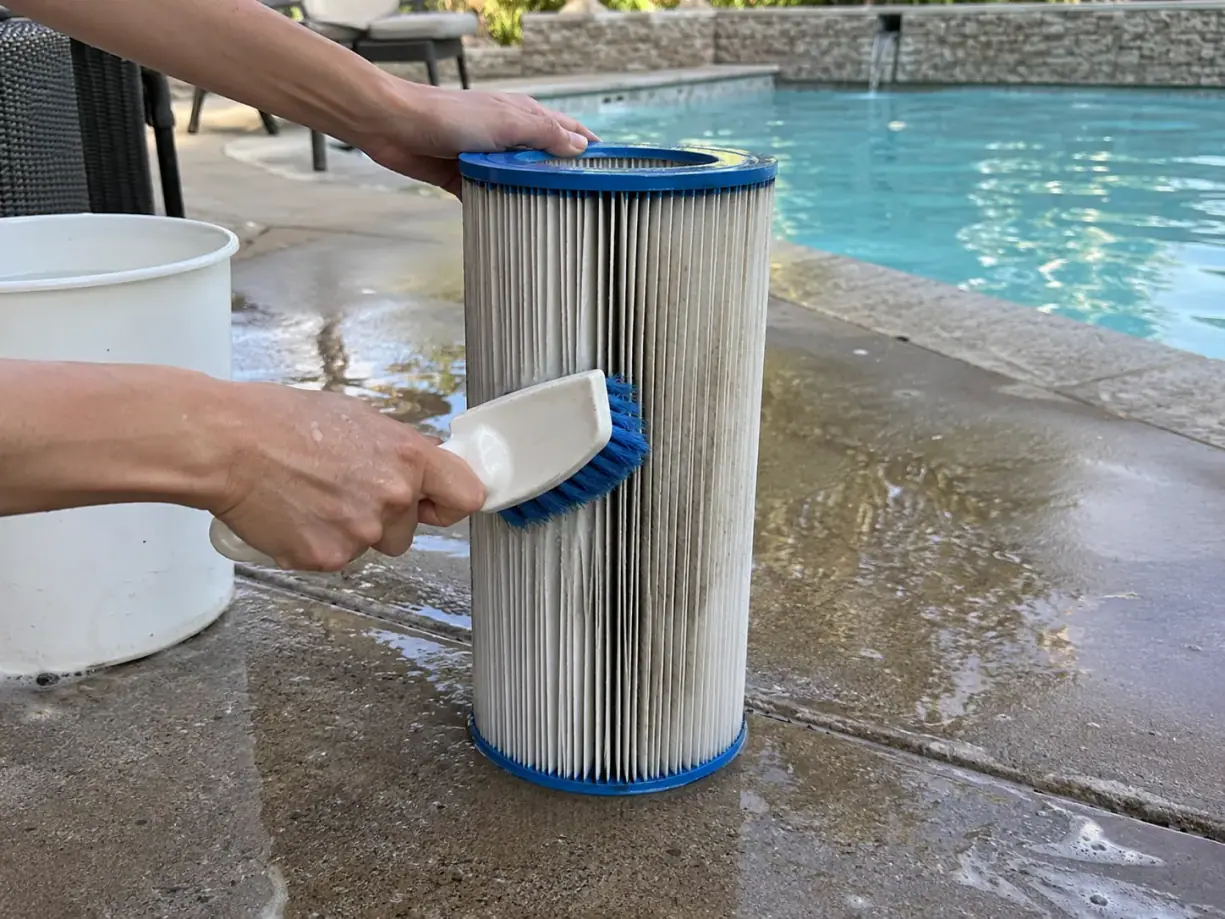 Pool & spa filter cartridgesSunscreen, body oil and organic filmView products
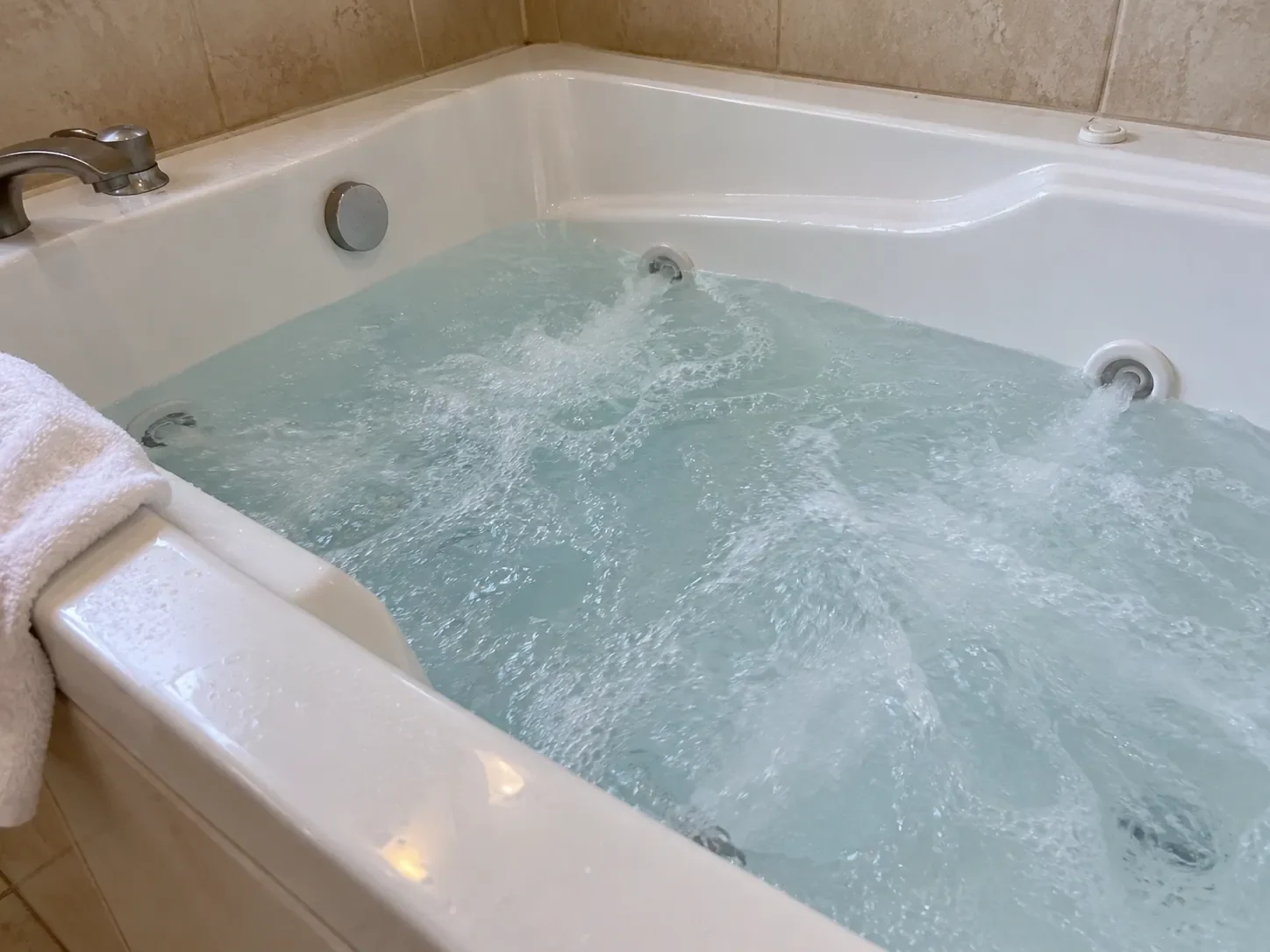 Jetted tubs & spa plumbingBiofilm, lotion oil and scaleView products
Surface materials
Cleaning products
Compare products by soil and surface material. See each product page for use instructions.
A strong alkaline product used at 2%; wear gloves and eye protection and keep off aluminum.
A strong acid product used by the descaling cycle or at 1:10; rinse and run empty before cooking.
An inhibited strong-acid industrial product for trained personnel following the manufacturer.
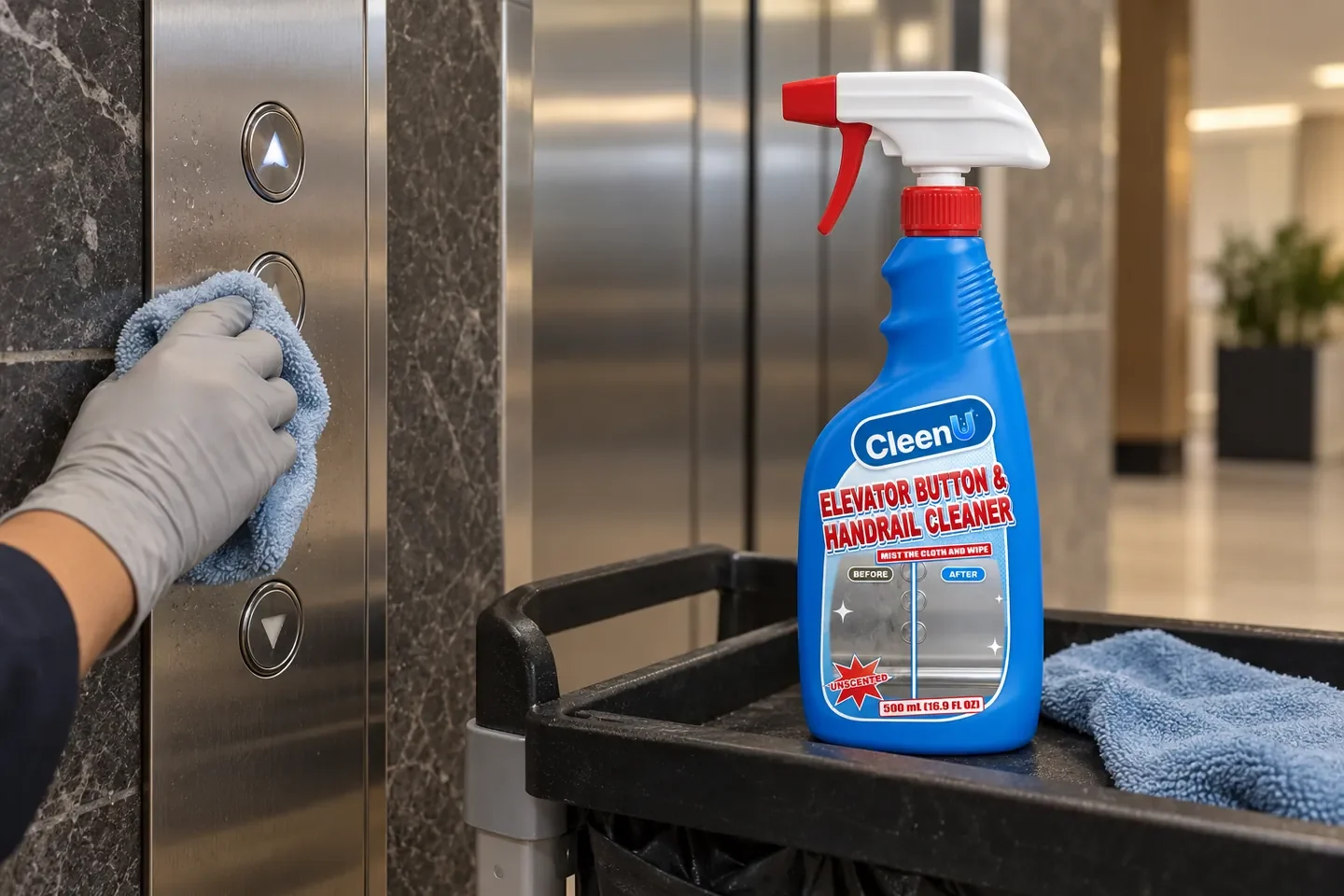
Mist a cloth and wipe handles and child seats; cleans only and does not replace disinfection.
Never spray buttons directly; wipe escalator handrails only when stopped or in low-speed service mode.
A gel softens gum before scraping; not for acrylic, PS plastic or painted finishes.
Leave 30 seconds, then wipe; test solid wood first, and not for chalkboards or leather.
An alkaline degreaser for pleated cartridges; not mixed with acids and not for sand filters.
Flush by circulation before refilling; not added with chlorine, and stay out of the tub.
How to choose
Handling strong alkaline or acidic products without protective equipment;Treating a cleaner as a disinfectant;Using a product directly on aluminum, acrylic, PS plastic or electronic panels it is not suited to
Separate scale inside equipment pipework from everyday soil on touchpoints and floors, then check materials, since aluminum, acrylic and electronic panels each have limits. For strong alkaline or acidic products, confirm who will operate them and what protection they have.
Equipment products are diluted, soaked or circulated and then rinsed thoroughly; touchpoint products are misted on a cloth and only clean; for pools and spas, alkaline cleaning and acid descaling are separate jobs and are never mixed.
In shortStart from the specific venue, equipment and soil, then review materials, protection and the equipment manual. Where disinfection is required, handle it separately under the venue rules; a cleaner does not replace it.
Product list
12 products for commercial & public spaces. Open each one for its surfaces and directions.
Commercial cleaner sourcing
Share target equipment or venues, materials, methods, packaging and market to discuss products and samples.
Discuss a commercial or public-space projectQuestions, answered
Dilute to 2% (20 mL in 1 L of water), fill the lines, wait 15–20 minutes, drain and rinse until pH paper reads neutral; alkali-resistant gloves and eye protection are required.
Frequency follows the equipment manual and your water; power off and drain, run the equipment cycle or soak at 1:10 for 30–60 minutes, rinse two to three times and run one empty cycle before cooking.
We do not recommend it. It is a strong acid industrial product for trained personnel, who disconnect the system as the manufacturer requires, circulate at 5–10% for 1–3 hours, then rinse and neutralize.
No. They neutralize each other and lose effect, and some combinations carry safety risks; use them separately with a thorough water rinse in between.
Confirm first. The beer line cleaner must not touch aluminum, the steam cabinet descaler is not for long soaks in aluminum liners, and aluminum exchangers need a lower concentration and shorter time.
Mist the cleaner on a microfiber cloth and wipe, never spraying buttons directly or letting liquid into gaps; it dries in seconds, and it cleans only without replacing disinfection.
Test an inconspicuous spot first, saturate the gum and wait 1–3 minutes, then lift from the edge with a plastic scraper; acrylic, PS plastic and painted finishes are not suited.
Spray, wait 30 seconds and wipe; most pen marks lift, permanent marker may need several passes, and solid wood tops should be tested first.
No. Cartridges soak in an alkaline degreaser and spa plumbing is flushed by circulation; scale needs a separate acid product, and none of these are mixed or combined with chlorine.
Residual alkali in lines affects the pour and residual acid in a steam cabinet affects cooking and the equipment, so lines are rinsed to neutral and steam cabinets rinsed and run empty before use.
Yes. Share target equipment or venues, materials, methods, target market and packaging needs to discuss a product range and samples.