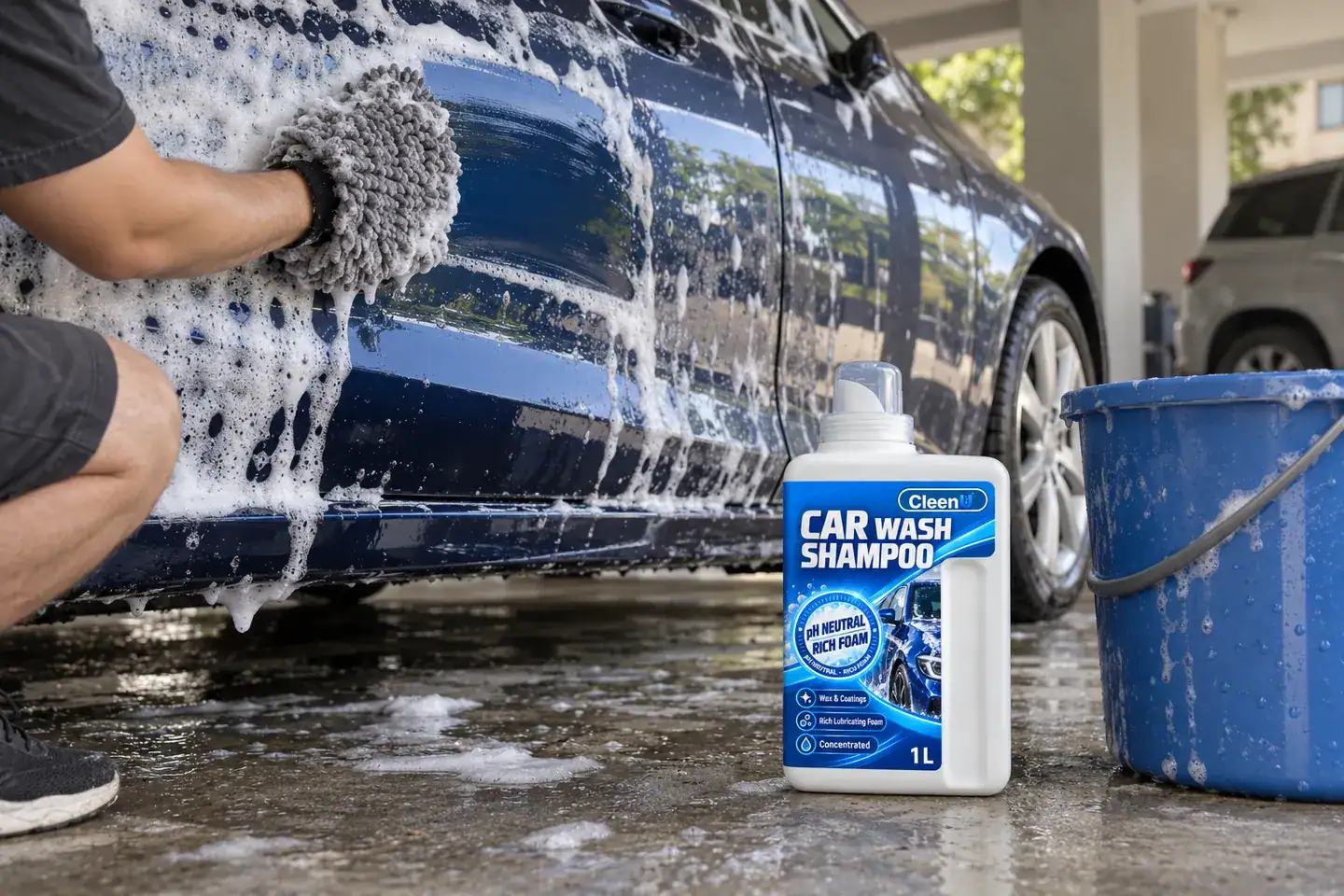
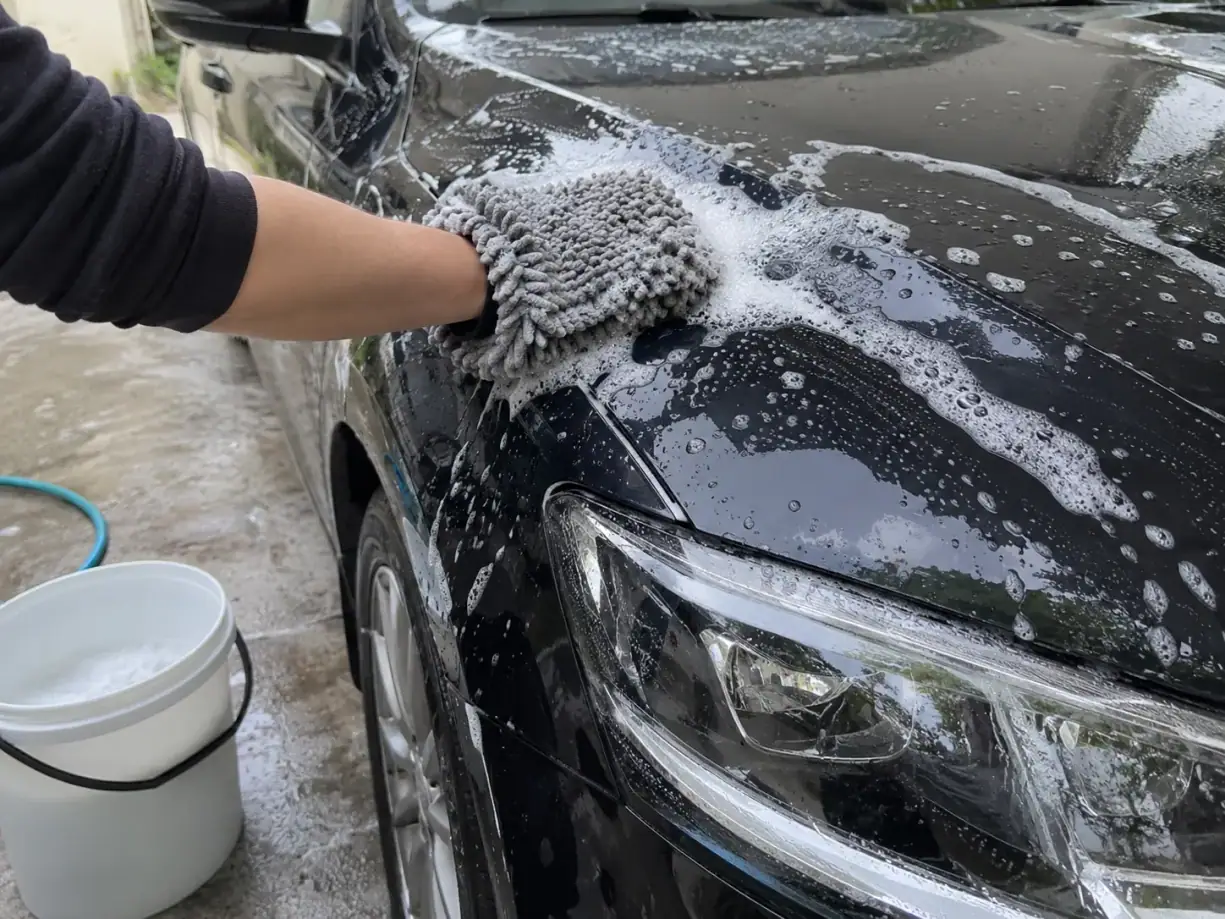
Paint washing
Use shampoo with a hose or waterless wash without one; bugs, droppings and tar have their own products.

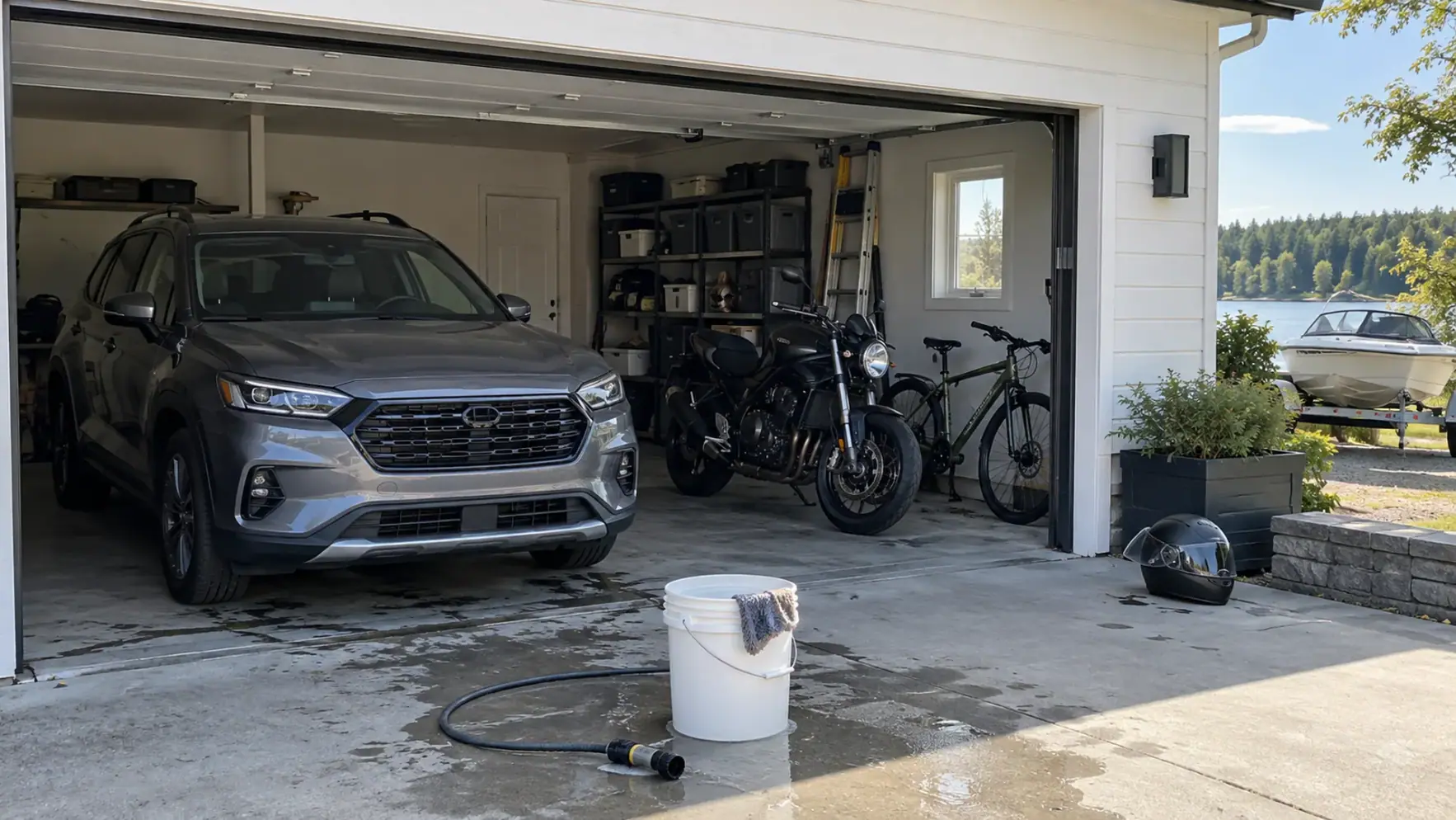
Car, Bike & Boat Care
Paint, wheels, cabin, glass, the engine bay, motorcycles, bicycles, boats and helmets each have their own soils and places the product must not go. Browse by area, and keep protection separate from cleaning.
Explore vehicle care products Find products by area and soilOne VehicleDifferent Care Tasks
Car, Bike & Boat Care
Choose by area, surface and soil. Car paint, wheels, cabin, glass, the engine bay, motorcycles and boats have separate product paths; wax and coating are protection steps after a clean wash, not cleaners.
CleenU Car, Bike & Boat Care organizes cleaning and care products across ten areas for car owners, detailers and riders, and for car-care brands and channel buyers.
Full cleaning solutions
Vehicle areas & gear
Choose paint, wheels, cabin, glass, the engine bay, or a motorcycle, bicycle, boat or helmet to see relevant cleaning and care products.
Paint washingDust, road film, bugs, droppings and tar spotsView products 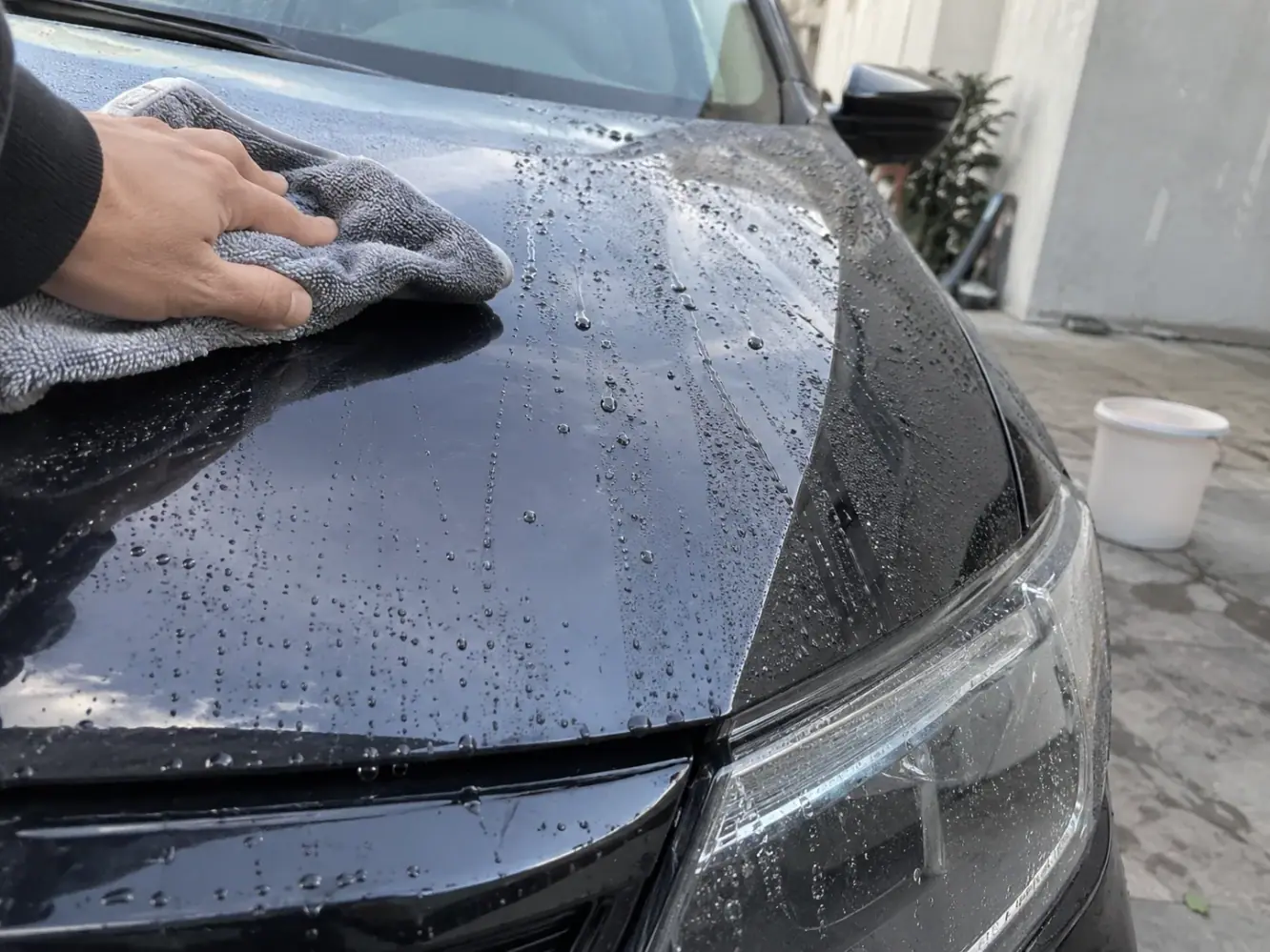 Iron removal, wax & coatingEmbedded iron, dull paint and lost water beadingView products
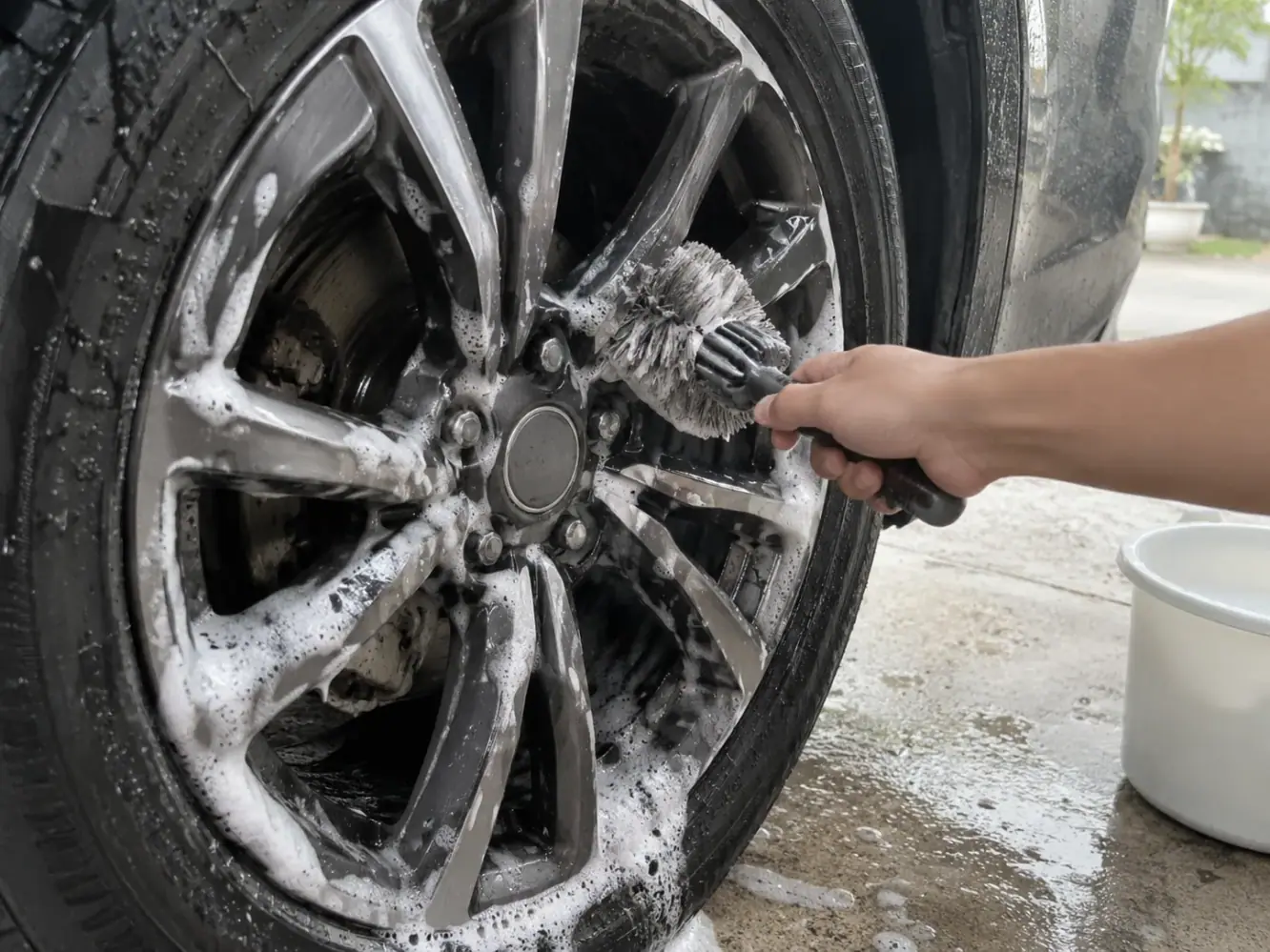 Wheels & tiresBrake dust, grime and faded sidewallsView products
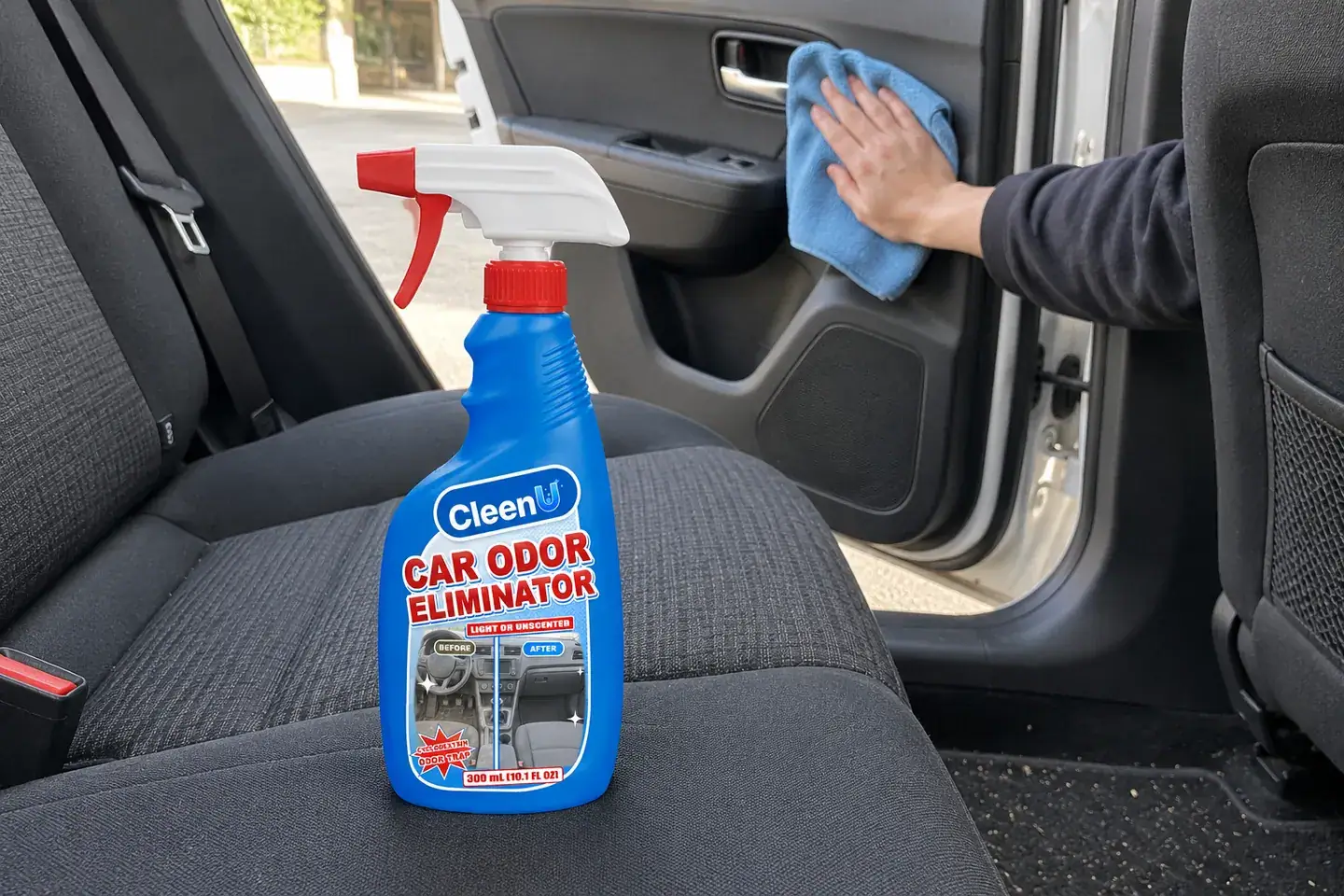
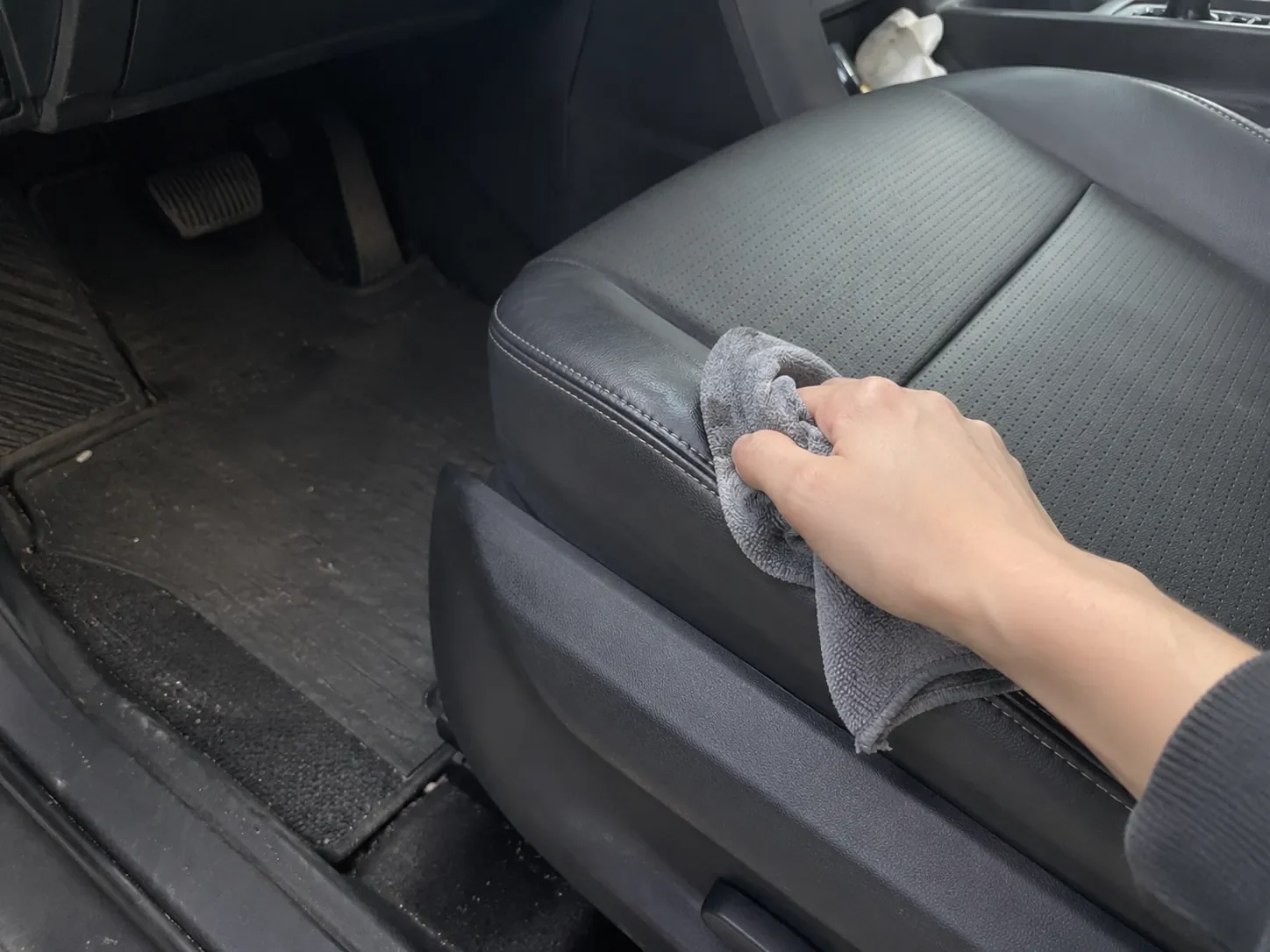 Cabin fabric, mats & interiorOdors, mud and salt stains, and dashboard dustView products
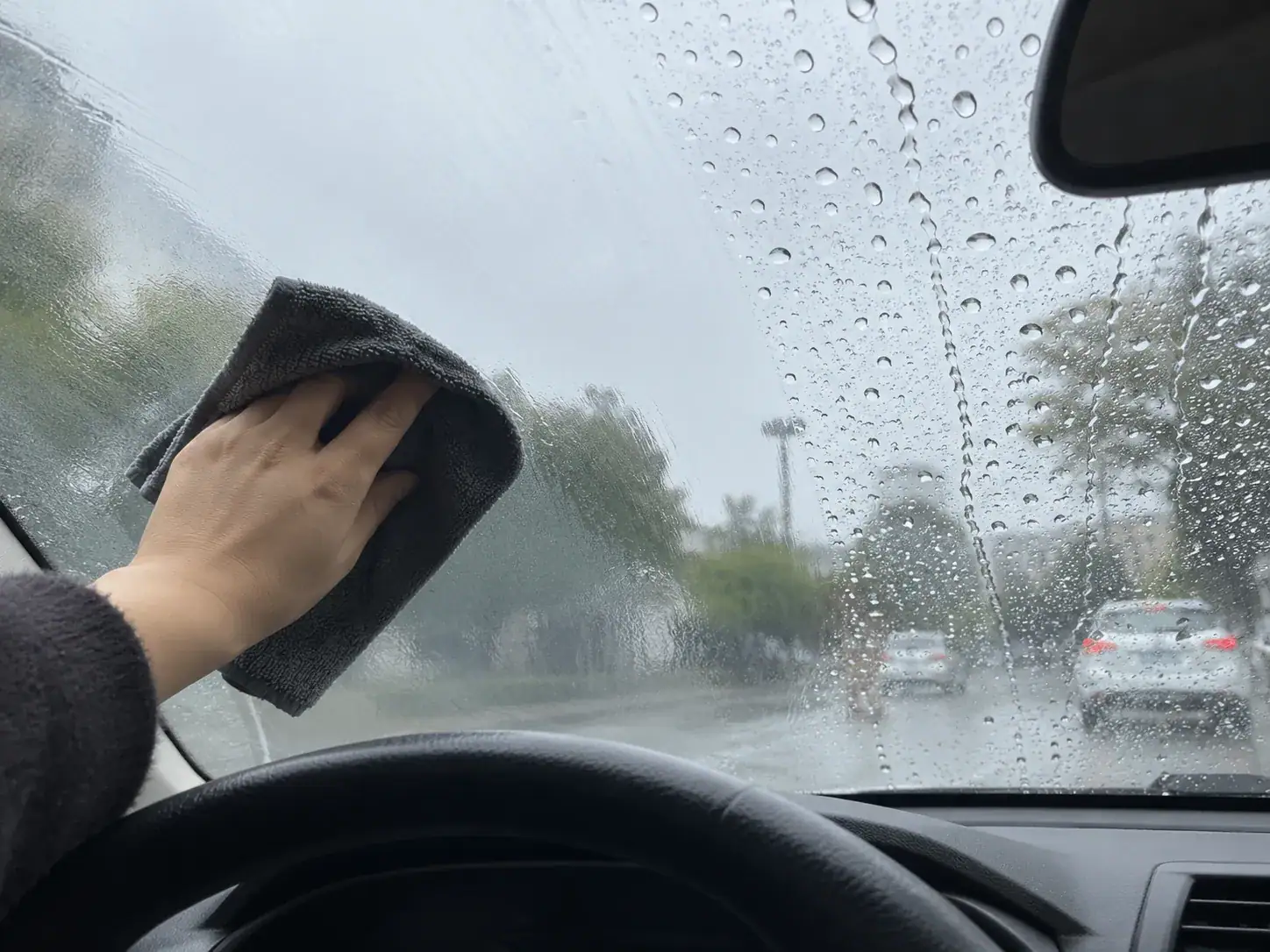 Glass, anti-fog & washer fluidInterior fog, exterior sheeting, bugs and film, and winter iceView products
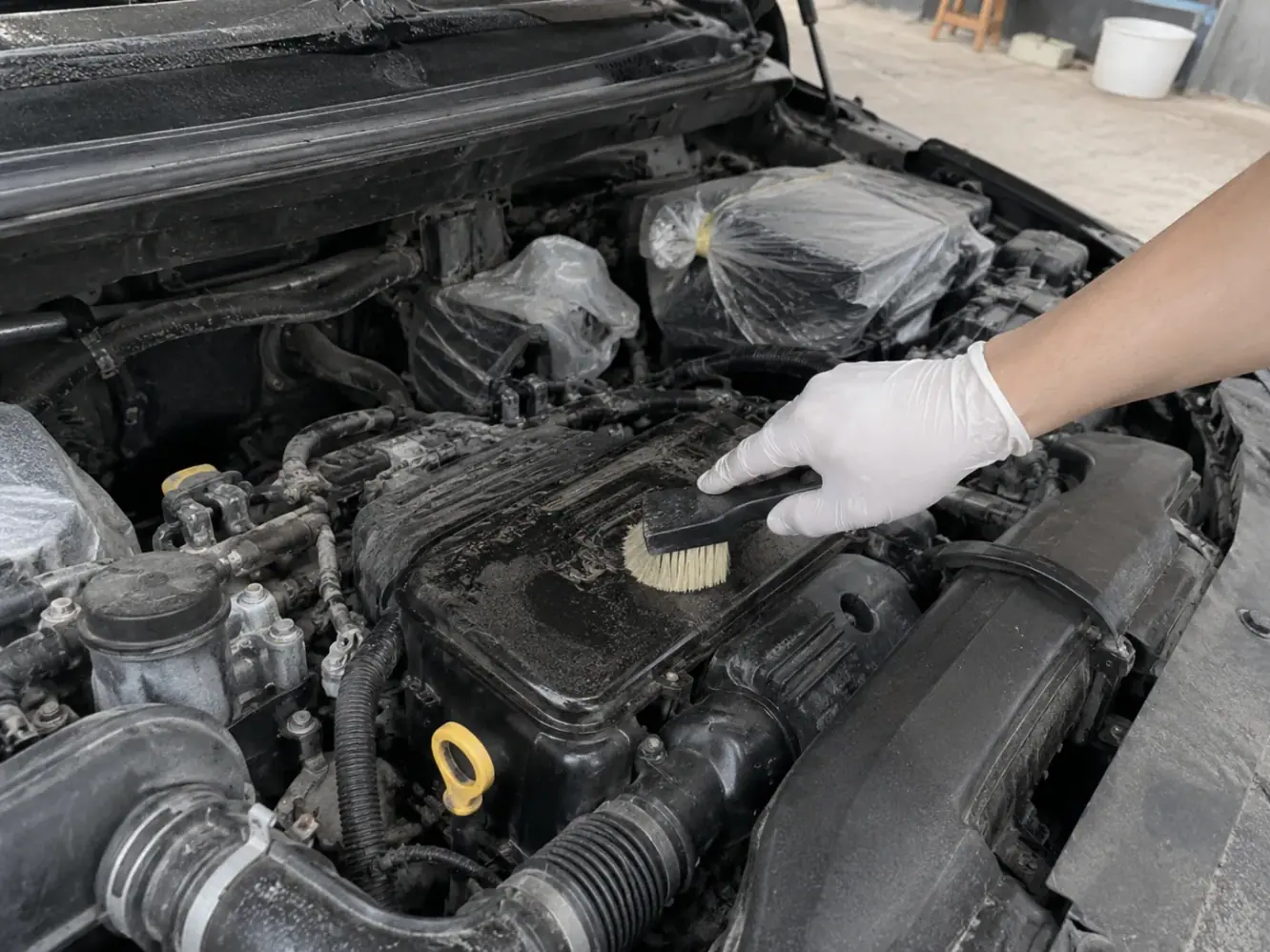 Engine bayExterior grease and grimeView products
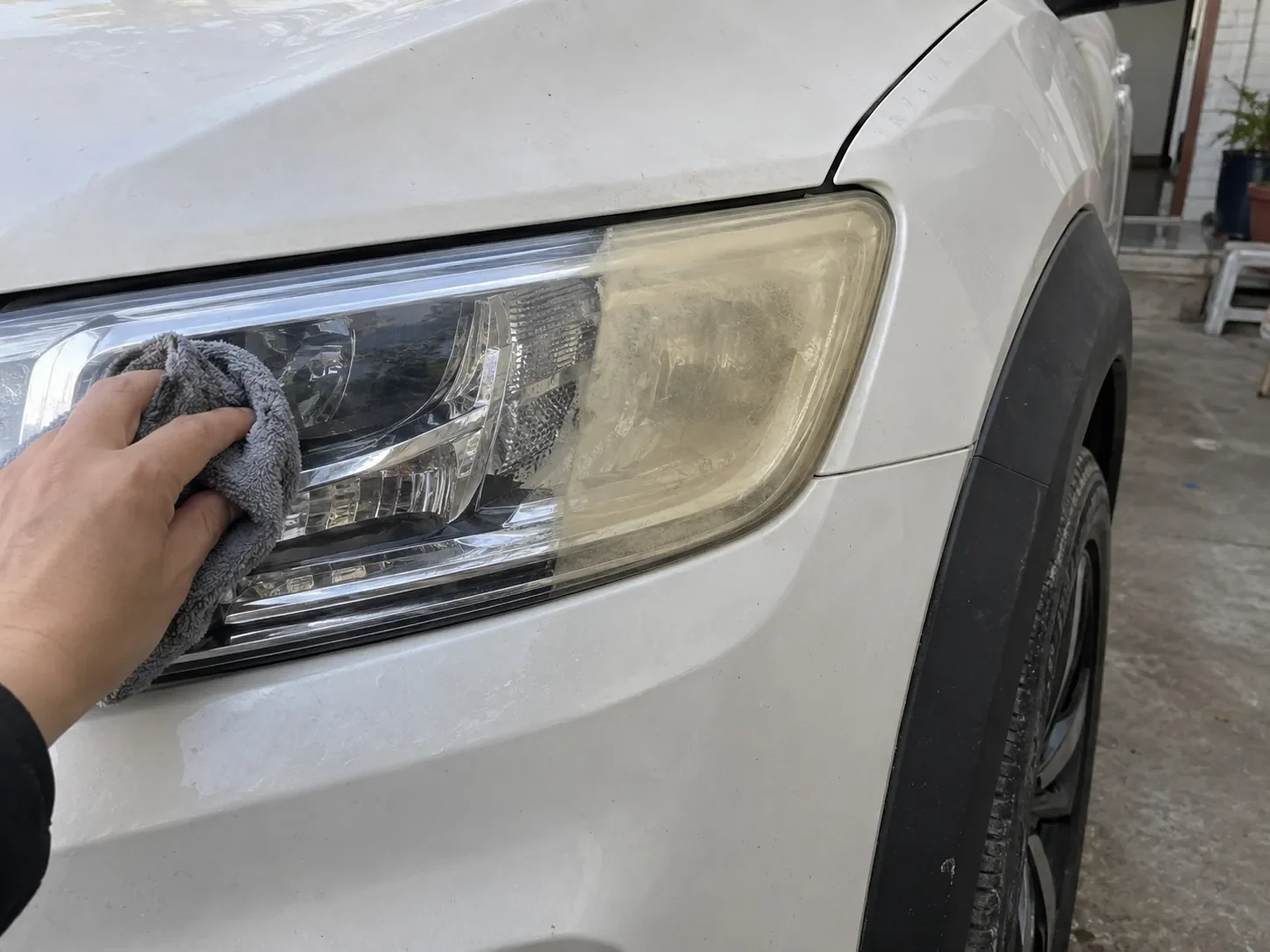 Headlights & exterior trimYellow, hazy lenses and faded black plasticView products
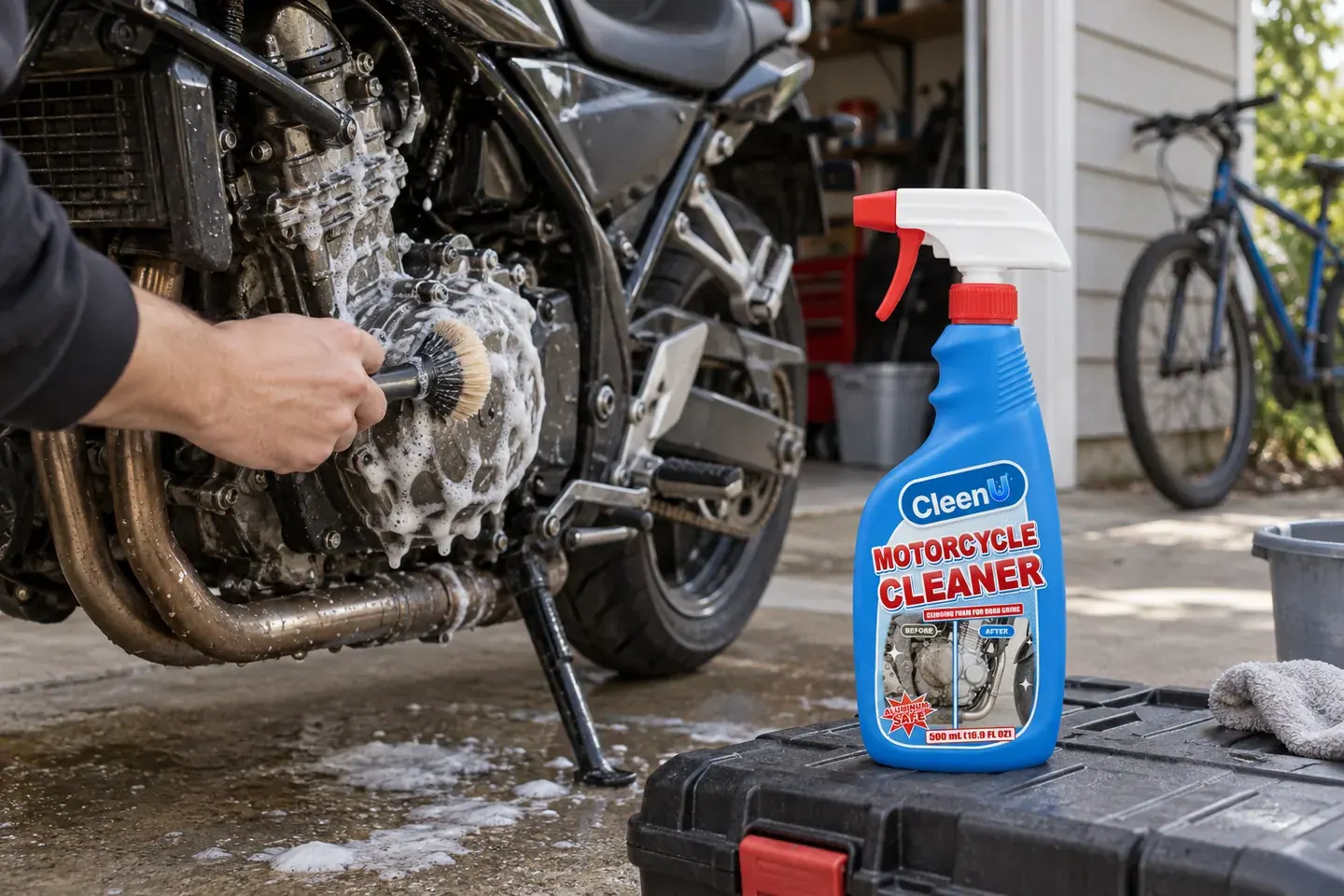
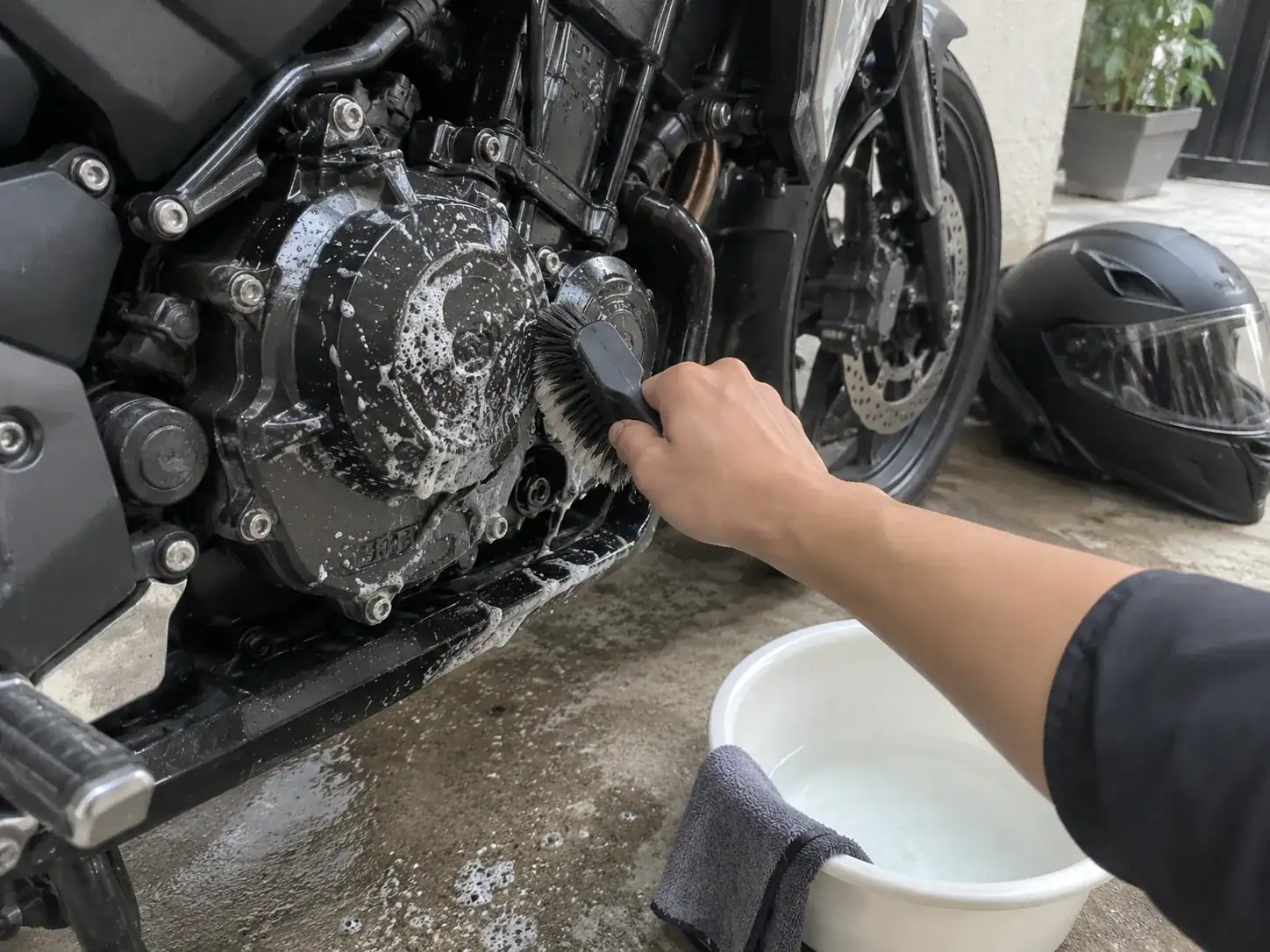 Motorcycles & e-bikesRoad grime, chain fling and helmet sweatView products
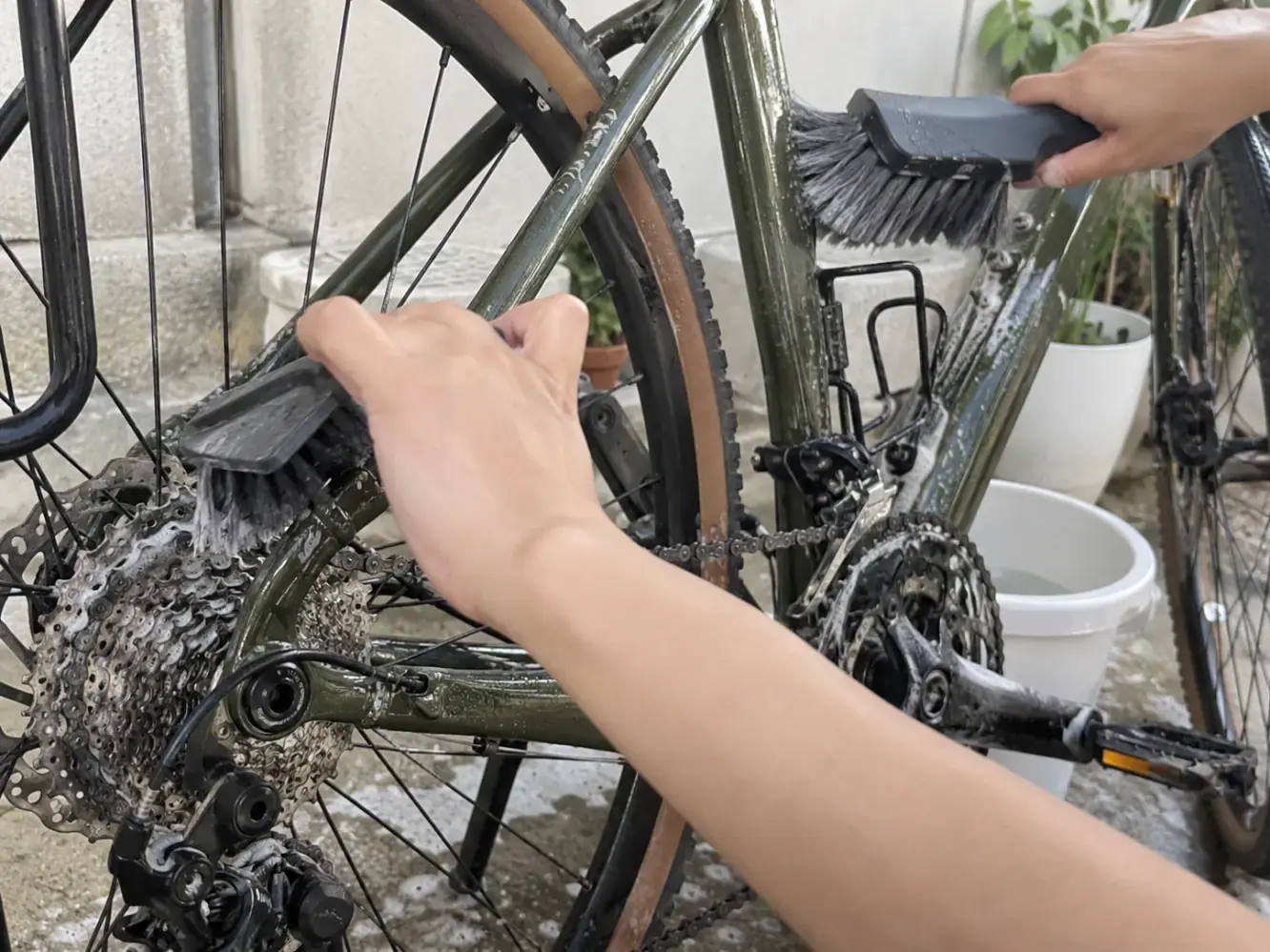 BicyclesMud, black drivetrain grime and sweatView products
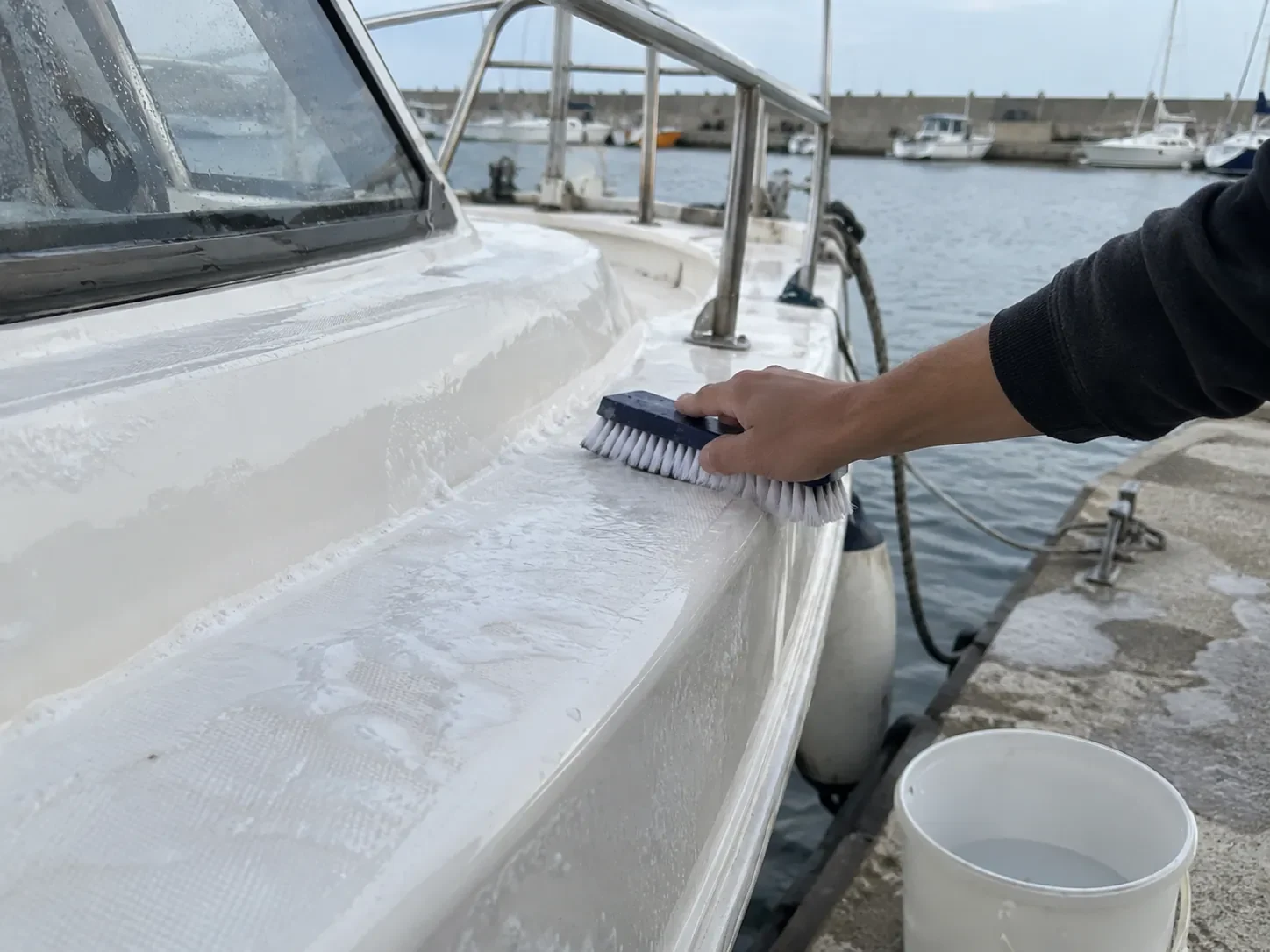 Boats & yachtsSalt crystals, fish blood and black streaksView products
Surface materials
Cleaning products
Compare products by soil and surface material. See each product page for use instructions.
Use shampoo with a hose or waterless wash without one; bugs, droppings and tar have their own products.
Remove iron first, then protect; wax gives quick gloss and coating lasts longer, both after a clean, dry wash.
Clean cool wheels with wheel cleaner, use iron remover for embedded iron, and apply tire shine to sidewalls only.
Choose odor, mat and interior-surface products separately; leather and screens need their own care.
Anti-fog inside and repellent outside, never swapped; dilute washer fluid by season, with a separate de-icer for ice.
Degrease only after the engine cools and the electrics are covered, then rinse with low pressure.
Polish headlights and seal against UV; restore clean black trim with a thin coat, keeping it off paint and glass.
Foam the cooled bike and brush by zone, keeping gauges, electronics and rotors dry; helmets have their own cleaner.
Soft brush on the frame and wheels, stiff brush on the drivetrain, avoiding disc brakes and battery ports.
Wash hulls and decks at 1:20 and mind rinse-water disposal; RV black streaks have a separate product path.
How to choose
Using one product on every vehicle surface without checking area and material;Applying cleaners in direct sun or on hot paint, engines and wheels
Identify paint, wheels, cabin, glass, the engine bay, or a motorcycle, bicycle, boat or helmet first. Then distinguish grit, iron, odor, fog or grease, check the surface and product directions, and consider wax, coating or restoration only after cleaning.
Shampoo handles routine washing, iron remover handles embedded iron, and wax and coating protect after a wash. Anti-fog and water repellent are not interchangeable, the engine bay needs cooling and covered electrics, and motorcycles, bicycles and boats each have no-spray zones.
In shortStart with the area and the soil, then check the material and directions. Engines, rotors, electronics and the inside and outside of glass all have places a product must not go, so read the directions and spot test when unsure.
Product list
25 products for car & vehicle care. Open each one for its surfaces and directions.
Car-care sourcing
Share target areas, surfaces, use cases and packaging needs to discuss wash, care, detailing, cycling and marine product combinations and samples.
Discuss a car-care projectQuestions, answered
Dish soap is made for dishes and cuts grease hard, so it can strip existing wax and coating. For routine washing, review a pH-neutral car shampoo at about 1:400, applied with a mitt top down, then rinsed and dried.
That is usually embedded iron, which shampoo does not remove. Review an iron fallout remover, sprayed on clean paint in the shade until the purple reaction appears, then rinse before waxing or coating.
Wax spray is fast and easy to top up after each wash. Ceramic coating spray lasts longer but needs clean, decontaminated, fully dry paint. Neither belongs on the windshield or brake parts.
With only dust and light grime, review a waterless wash, worked one panel at a time in the shade. If the car is caked in mud, rinse first rather than dry-wiping.
Clean cool wheels with a wheel cleaner and use an iron remover for iron embedded in paint. Tire shine is for sidewalls only, not the tread or rotors.
Review a car odor eliminator for fabric, misted until just damp and aired out after 10 minutes. For AC odor, spray the intake and run it, replace a dirty filter first, and clean up pet urine before treating odor.
No. Anti-fog goes on the inside of the glass and water repellent on the outside of car glass, and the glass must be clean first. The reservoir takes washer fluid, diluted by season and never added undiluted.
Not with a pressure washer. Let the engine cool fully, cover the alternator, intake and connectors, apply an engine degreaser and let it dwell, then rinse with low-pressure water.
Yellow headlights are oxidized plastic, so review a headlight restorer with a UV sealant. Faded black trim can be reviewed with a trim restorer, applied after masking the surrounding paint.
Choose separately. Motorcycles and bicycles use foaming cleaners with their own no-spray zones, boats use a concentrate diluted 1:20, and helmet liners use a fine mist.
Yes, it can be discussed. Share target areas, product mix, sizes, packaging and target market so a product plan and sample tests can be set up.